
Introduction to a flavorful summer concept
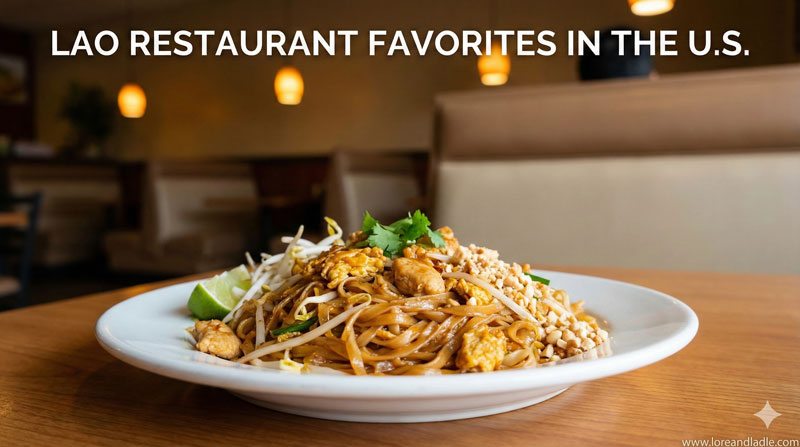
The dish titled Best Lao Restaurant Favorites in the U.S. for Summer Cookouts in the U.S. invites readers to explore a vibrant, seasonal approach to Lao cuisine. This collection highlights dishes that showcase balance, brightness, and shared eating—principles that make Lao food feel welcoming at any outdoor gathering. The focus here is on cultural value and culinary significance, celebrating how Lao flavors illuminate a summer cookout with clarity, color, and care.
The cultural value of Lao flavors
Lao cooking centers on harmony. Fresh herbs, lime, fish sauce, chilies, and roasted spices come together to create a bright tapestry of taste. This philosophy translates beautifully to summer meals, where lightness and freshness are prized. Dishes emphasize communal dining and generous portions, inviting everyone to participate, taste, and compare notes. The result is a table that feels both celebratory and intimate, where shared plates encourage conversation and connection.
Core ingredients and techniques that define Lao cooking
- Fresh herbs: mint, cilantro, and dill mingle with fragrant lemongrass and lime leaves to lift each bite.
- Sticky rice: a cornerstone that anchors flavors and invites dipping and scooping.
- Lime and fish sauce: creating bright, tangy, savory notes that refresh even on a warm day.
- Grilling and pounding: simple, hands-on techniques that bring out depth—meat is grilled or lightly charred, then seasoned with herbs and a touch of heat.
- Jeow (dipping sauces): small bowls of chili-lime blends that offer a clean, spicy contrast to the main dishes.
These elements together give Lao cuisine its signature clarity and balance, making every dish a story of season, skill, and hospitality.
Dishes that shine at a summer cookout
- Larb (Laab): A spicy minced-meat salad seasoned with lime, fish sauce, chilies, and herbs. It embodies balance—heat and sour brightness cut by cool mint and cilantro. Served with sticky rice, larb becomes a central, shareable main that sparks conversation about textures and aroma.
- Tam Mak Hoong (Green Papaya Salad): Crisp raw greens with a lively kick of lime, palm sugar, and chilies. The refreshing crunch pairs naturally with grilled items and fresh herbs, making it a perfect counterpoint to richer dishes.
- Grilled meats with jeow accompaniments: Think skewered chicken or pork brushed with a lemongrass-forward marinade, then served alongside bright chili-lime jeow. The smoky grill notes complement the herbaceous, tangy sauces.
- Sticky rice bowls with fresh accompaniments: A simple, elegant way to anchor the meal. Sticky rice holds together the flavors of meats, salads, and dips while offering a comforting texture amid summer heat.
- Light cucumber and herb salads: These cooler, crisp dishes bring additional balance to the spread and highlight the garden-fresh produce of the season.
Each dish carries cultural significance beyond taste. They emphasize hospitality, the joy of sharing, and the way Lao cooking elevates everyday ingredients through precise seasoning, thoughtful textures, and vibrant aromas.
How Lao flavors pair with summer produce
Summer brings an abundance of herbs, greens, and bright citrus. Lao dishes adapt beautifully to these gifts by:
– Highlighting fresh herbs to lift grilled proteins
– Using lime and chilies to create a refreshing heat that doesn’t overwhelm
– Employing sticky rice as a gentle, satisfying base that complements both vegetables and meats
– Including dipping sauces to offer adjustable spice levels for guests
This pairing approach helps a summer cookout feel bright, balanced, and deeply anchored in culinary craft.
Hosting tips for a Lao-inspired cookout
- Build a shared spread: arrange larb, tam mak hoong, grilled meats, sticky rice, and jeow in a central, easy-to-reach area. Let guests mix and match.
- Keep sauces and herbs accessible: provide small bowls of fresh herbs and lime wedges for guests to customize each bite.
- Emphasize aroma and texture: offer both hot-off-the-grill items and fresh, crisp salads to create a dynamic dining experience.
- Respect seasonality: swap in available local herbs and vegetables to keep flavors vibrant and sustainable.
- Provide clear, simple explanations: a short note about each dish’s key ingredients can help guests appreciate the cultural craft behind the flavors.
Sourcing Lao ingredients in the United States
In many regions, Lao ingredients are available at Asian markets or specialty stores. For a faithful experience:
– Seek fresh herbs like mint, cilantro, and dill, and high-quality lime.
– Look for good fish sauce and palm sugar for authentic seasoning.
– If sticky rice isn’t readily available, use short-grain rice as a close substitute and offer it alongside true sticky rice when possible.
– Explore local Lao or Southeast Asian markets for jeow ingredients and ready-to-use spice pastes.
This practical approach helps home cooks recreate the Lao restaurant favorites with confidence while maintaining the dish’s cultural essence.
A note on regional Lao variations within the United States
Lao cooking in the U.S. welcomes regional touches. Some kitchens emphasize stronger lime brightness or hotter chilies; others lean into milder profiles and extra fresh herbs. These variations reflect local ingredients and personal preferences, yet all share a common thread: respect for balanced flavors, communal sharing, and the skill of turning simple ingredients into vibrant, memorable meals. The result is a diverse but cohesive tapestry of Lao-inspired summer cookouts across the country.
Conclusion: celebrating a season with Lao restaurant favorites
Best Lao Restaurant Favorites in the U.S. for Summer Cookouts in the U.S. invites readers to savor a culinary tradition that thrives in warm weather and social dining. By focusing on core ingredients, balanced flavors, and the joy of sharing, these dishes showcase the cultural value and culinary significance of Lao cooking. As you gather with friends and family this summer, let the bright lime, fresh herbs, and inviting textures guide the conversation and flavor, creating a living tribute to hospitality, craft, and food that feels truly uplifting and delicious.