
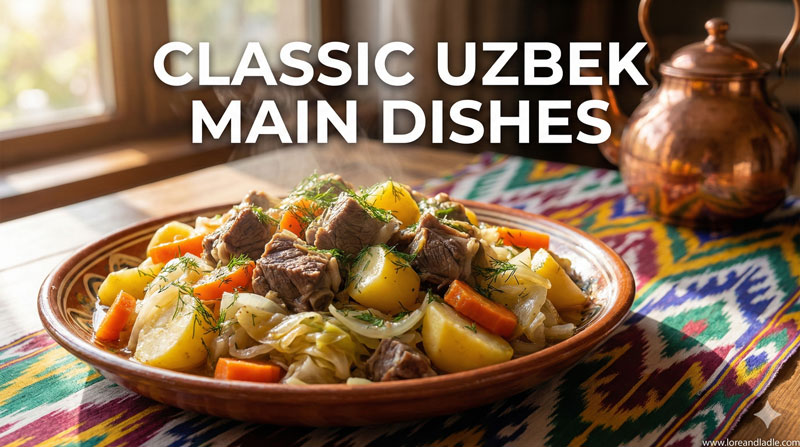
A Taste of Ganfan – Classic Uzbekistani Main Dishes Flavor You’ll Love
A Taste of Ganfan opens a window into Uzbek kitchen culture. This dish stands at the center of many tables, inviting family and friends to share. The aroma starts with sizzling onions, bright carrots, and tender meat. Soon, fragrant spices weave through the pot, and rice swells with flavor. The result is more than a meal; it is a ritual of hospitality, patience, and daily beauty.
The Heart of Ganfan: What This Dish Represents
Ganfan embodies balance in Uzbek cooking. The dish blends warmth from meat with sweetness from vegetables and a calm, nutty note from well-cooked rice. In Uzbek homes, meals are moments to welcome others, tell stories, and linger over conversation. Ganfan supports that spirit by offering a generous, single-pot centerpiece that invites sharing. It is a symbol of care for guests, a sign that everyone at the table matters, and a quiet festival of everyday life.
Key Ingredients and Their Stories
The dish relies on a few simple ingredients, elevated by technique and time. Long-grain rice forms the foundation, bringing a light, fluffy texture when cooked with steam. Lamb or beef provides depth and richness, a sign of generosity and abundance. Onions release sweetness as they caramelize, while carrots bring color and a gentle sweetness that brightens the character of the dish. A warm chorus of spices—cumin, coriander, and black pepper—gives a familiar, comforting aroma that echoes Uzbek markets and home kitchens alike. Olive or vegetable oil carries the flavors, helping each component melt into a harmonious whole. While the ingredients are humble, their combination tells a story of place, season, and the care people put into meals.
Techniques That Honor Uzbek Culinary Traditions
Ganfan relies on technique as much as on ingredients. First, cooks brown the meat to develop a deep, savory base. Next, onions soften and take on a caramel color, releasing their sweetness. Carrots join the pot, adding texture and a bright counterpoint to the meat’s richness. After layering these flavors, rice is added with just enough liquid to allow the grains to absorb essence from the pot. Finally, patience matters: a gentle simmer and a resting period let steam carry flavor through every grain and piece of meat. This sequence—sear, soften, layer, simmer—reflects a long tradition of careful cooking that respects each component. The result is not hurried; it is a thoughtful, communal craft.
The Cultural Value of Shared Meals
In Uzbek culture, food is a joyful expression of welcome. A pot like Ganfan extends hospitality and invites conversation. The act of serving a generous portion signals care and respect for guests. Sharing a dish that has simmered for hours becomes a memory, a story told with each bite. Families remember harvests, seasonal markets, and the hands that prepared the ingredients. Ganfan also reflects regional creativity: cooks adjust spice levels, sweetness, or balance to reflect family preferences and local produce. This flexibility keeps tradition alive while allowing personal voice and taste to flourish. The dish thus acts as a bridge between generations, linking modern kitchens with ancestral methods in a warm, non-political way.
Regional Touches and Variations Across Uzbekistan
Across Uzbekistan, cooks bring subtle regional touches to Ganfan. Some kitchens favor leaner meat cuts, others opt for a richer cut; some include small vegetables beyond carrots, such as subtle greens for color and brightness. Spices can vary in intensity, with certain towns emphasizing cumin more strongly while others lean into coriander’s citrusy note. Rice quality and grain length also influence texture, giving each version a unique mouthfeel. What remains constant is the spirit: a one-pot meal designed to nourish and delight, prepared with attention to the season and the cooks’ memories. These variations celebrate local farms, markets, and family traditions, making each version a fresh expression of Uzbek culinary identity while keeping the core idea of harmony and generosity intact.
Serving Traditions and Pairings
Ganfan shines when presented with mindful accompaniments. Fresh herbs or a light yogurt-based sauce can brighten the plate, while bread on the side invites dipping and sharing. A simple cucumber or tomato salad can add a crisp contrast to the dish’s warmth. Tea often accompanies the meal, inviting conversation and easing the transition from kitchen to table. Proper presentation matters, too: a warm platter, sliced meat, and a neat bed of rice create a visually inviting center for the meal. These serving traditions reinforce the social role of food as a source of comfort, connection, and delight.
Making Ganfan at Home: A Modern Kitchen Guide
Home cooks can honor the tradition by using fresh ingredients and a calm pace. Choose good-quality rice and a well-moned cut of meat. Start with a hot pot to brown the meat, then build the aroma with onions and carrots. Add spices in a way that their scents bloom, and then fold in the rice with just enough liquid to create a fragrant, separate grain after cooking. Let the dish rest briefly once off the heat; this helps the flavors settle and the grains to align. Pair the dish with simple, bright sides to reflect the balance at the heart of Uzbek cooking. By embracing patience and care, a modern kitchen can echo the timeless beauty of the original preparation.
Closing Thoughts: A Flavorful Bridge to Uzbek Kitchen Culture
A Taste of Ganfan is more than a recipe; it is a doorway to Uzbek culinary culture. It invites us to slow down, honor shared meals, and savor the balance of meat, vegetables, rice, and spice. Each bite carries memory: of markets, home kitchens, and families that make room for guests. In its warmth and generosity, Ganfan becomes a universal invitation to celebrate good food, togetherness, and the quiet poetry of traditional cooking. This dish reminds us that culture can be tasted, shared, and cherished one plate at a time.