
Introduction
A Taste of Samsa – Uzbekistani Fusion & Modern Twists Flavor You’ll Love invites readers to savor a pastry that blends deep tradition with fresh ideas. This dish stands as a celebration of craft, seasonality, and shared tables. It exists at the crossroads of time in Uzbek cuisine, where simple dough and thoughtful fillings become a memorable experience. In this post, we explore its cultural value and culinary significance with warmth and clarity.
The Core of Samsa in Uzbek Cuisine
Samsa is a staple of Uzbek food culture, enjoyed in homes, markets, and tea houses. The dough offers a crisp outer shell, while the filling carries the aroma of onions, spices, and carefully chosen meat or vegetables. Uzbek cooks often bake samsa in a tandyr or hot oven, which helps seal flavor and create a comforting texture. This pastry is more than a snack; it is a memory maker—a small piece of daily life shared with family and friends. The beauty of samsa lies in its simplicity, attention to proportion, and the way a few ingredients come together with respect for technique.
Fusion and Modern Twists
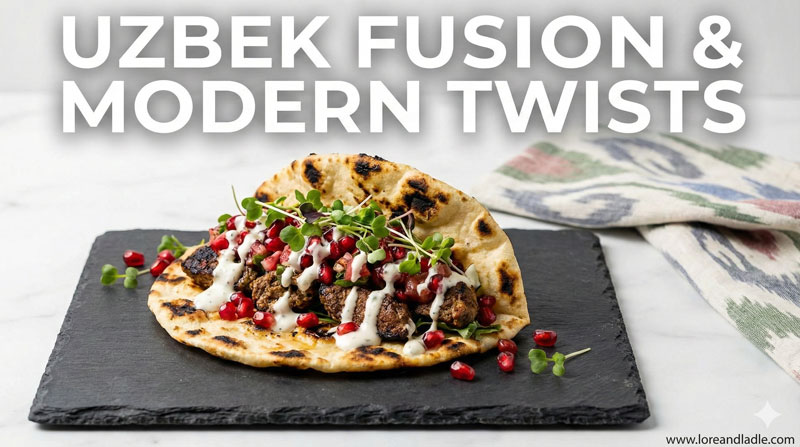
A Taste of Samsa reimagines the classic by weaving in modern twists without losing its soul. Chefs experiment with spice blends, charcoal-smoked notes, or a touch of sweetness from dried fruit. Some versions pair lamb with a hint of fresh herbs, while others introduce vegetarian fillings that showcase seasonal vegetables. The fusion approach respects the original pastry while inviting new textures and contrasts—crisp edges, tender centers, and vibrant colors. The result is a dish that speaks to both tradition and curiosity, inviting cooks and diners to notice how flavors can travel gracefully across boundaries.
Technique and Craft
Craft shines in every samsa bite. The dough is rolled thin to achieve a delicate balance between crispness and chew. Filling is layered with careful distribution to ensure consistent flavor in every piece. Crimped edges create a neat finish, and a gentle egg wash gives the surface a warm, inviting glow. In modern takes, bakers may use parchment sheets or small molds to shape uniform pastries, then finish with a light drizzle of oil or sesame for extra aroma. Precision, timing, and patience are the hallmarks of the technique, guiding cooks to a satisfying texture and even color.
Flavor Profile and Pairings
The flavor profile blends savory, aromatic, and sometimes sweet notes. Onion sweetness, peppery spice, and succulent meat or bright vegetables come together with subtle saltiness and a touch of fat to carry the fillings. Fresh herbs—cilantro, dill, or parsley—brighten the dish, while sesame seeds or nigella seeds add gentle nuttiness. Pair samsa with a cup of strong tea or a cooling yogurt dip to balance richness. A light cucumber-tresh or herb salad can provide a refreshing contrast, enhancing the overall harmony of flavors.
Cultural Value and Shared Experience
Samsa holds a place in gatherings, markets, and daily meals, where food is a bridge between moments and people. The dish embodies hospitality, mindful preparation, and the joy of sharing. When served warm, samosas invite conversation and a sense of welcome, turning a simple bite into a small ceremony. The fusion version extends this value by inviting curiosity and appreciation for culinary creativity, while still honoring the care that goes into traditional methods. In this way, A Taste of Samsa becomes a bridge between generations and a canvas for culinary storytelling.
Serving, Presentation, and Etiquette
Present samsa in a warm basket or on a simple platter to emphasize fresh aroma and texture. Arrange pieces in a circular or evenly spaced layout to invite easy sharing. Offer a small dish of yogurt or herb sauce on the side so guests can personalize each bite. Gentle tea poured at the table completes the experience, underscoring the dish’s role as a comforting, social food.
Conclusion
A Taste of Samsa – Uzbekistani Fusion & Modern Twists Flavor You’ll Love is more than a dish; it is a celebration of culture, craft, and community. It honors a classic pastry while welcoming inventive nuance, creating a timeless experience for cooks and diners alike. By embracing both tradition and innovation, this samsa becomes a flavorful ambassador of Uzbek culinary artistry—inviting, respectful, and deeply satisfying.