
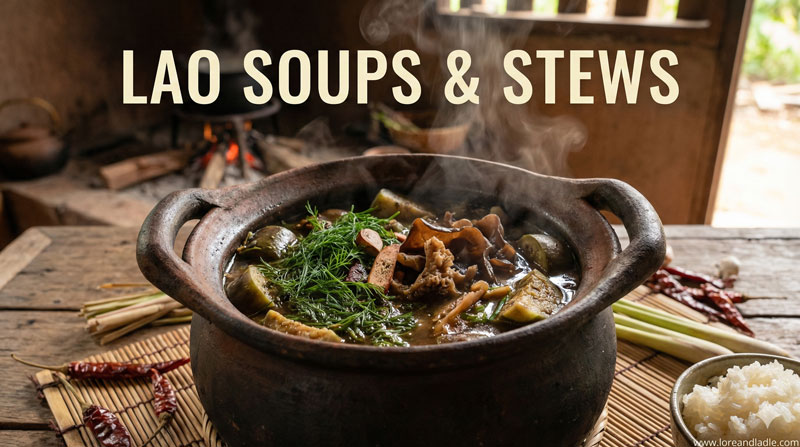
Welcome to Air-Fryer Lao Soups & Stews Ideas with Less Oil
In kitchens across Laos and neighboring regions, soups and stews are more than food. They are a language of warmth, shared time, and balance. The concept of Air-Fryer Lao Soups & Stews Ideas with Less Oil invites cooks to honor that tradition while embracing a modern tool. The air fryer helps deliver depth of flavor with less oil, preserving the bright brightness of herbs and the gentle acidity that Lao dishes rely on. This post explores How to blend heritage with innovation, keeping the soul of Lao cooking intact. You will find ideas to treat meat, fish, vegetables, and broths with care. You will also see how a simple technique can elevate everyday meals into moments of connection. Let us begin by viewing the cultural value of these soups and stews, and how the air fryer can support that value.
The Cultural Roots of Lao Soups and Stews
Lao soups and stews carry a sense of place. They echo the rhythms of river life, village markets, and daily family meals. The flavors are honest and bright: a careful balance of spicy, sour, salty, and aromatic notes. Herbs play a starring role, and freshness matters as much as technique. In homes and small eateries, a pot of soup or a bubbling stew invites neighbors to gather, to share stories, and to taste the season. This dish concept, Air-Fryer Lao Soups & Stews Ideas with Less Oil, honors that spirit by inviting a modern method without breaking the lines of tradition. The focus stays on harmony: a brothy backbone, vivid herbs, tender proteins, and a finish of lime or tamarind that lifts every spoonful. Cultural value here is about togetherness, respect for simple ingredients, and the art of turning everyday cooking into a moment of welcome.
The Harmony of Fresh Herbs and Broth
Lao cooking leans on fresh herbs and a clear, singing broth. Lemongrass, kaffir lime, dill, cilantro, and Thai basil often join garlic, shallot, and chili to create a bright aroma profile. Fish sauce adds depth and a gentle saltiness. A squeeze of lime or a dab of tamarind brings tang that lifts the whole bowl. In Lao soups and stews, texture matters as much as taste. Crunch from fried toppings, soft noodles, and chunky vegetables provide balance. The air-fryer fits here by letting you pre-treat herbs and aromatics at low oil, intensifying their fragrance. It also offers a crisp contrast when you finish a bowl with lightly fried shallots or roasted vegetables. The result is a layered, variable dish that remains faithful to its herbal roots and its clean, luminous broth.
The Air-Fryer Advantage in Lao Cooking
The air fryer is a thoughtful ally for Lao soups and stews. It allows you to brown meat or root vegetables with very little oil, creating depth without masking delicate flavors. You can air-fry chicken, pork, or seafood briefly to seal in juices and add a roasted undertone. Crisping toppings such as shallots or garlic becomes easier and cleaner, yielding texture that previously required more oil. You can pre-crown proteins before simmering, then finish the dish with fresh herbs and lime. This approach respects the traditional practice of layering flavors, but it modernizes the method. The result is a comforting pot that tastes familiar while offering a lighter, crisp edge in every bite.
Core Techniques for Less Oil, Rich Flavor
- Start with a bloom of aromatics in a small splash of water or stock, not oil. This draws out fragrance without heaviness.
- Use the air fryer to color proteins and vegetables. A brief flash of heat adds Maillard flavor and reduces oil use.
- Layer flavors through a thoughtful broth: base stock, fish sauce, a touch of tamarind or lime, and a handful of fresh herbs.
- Finish with brightness. A squeeze of lime and a handful of chopped herbs lift the dish just before serving.
- Choose lean cuts or seafood to keep oil to a minimum while retaining tenderness.
- Add textures at the end. Crisp toppings, soft noodles, and vibrant greens create a balanced experience.
These steps honor Lao culinary principles—clarity of flavor, balance, and the joy of shared meals—while embracing a modern kitchen tool.
Signature Flavors and Their Cultural Significance
Lao soups and stews celebrate a vivid spectrum of flavors. Lemongrass gives a citrusy lift; dill adds a delicate, earthy note often found in highland dishes; cilantro and Thai basil brighten the finish; chili provides warmth without overwhelming the palate. Fish sauce anchors the dish with savory depth, while lime or tamarind introduces a tang that keeps flavors lively. Bamboo shoots, mushrooms, or seasonal greens appear as whispers of the land. This ensemble reflects a cultural preference for balance: sour and salty, fresh and cooked, light and satisfying. The air-fryer version preserves these signatures by allowing gentle reductions in oil while preserving essential aromatics. The result is a respectful echo of traditional Lao flavor in a contemporary format.
Regional Variations and Shared Traditions
Across Lao regions, soups and stews vary with climate, markets, and daily rhythm. In some areas, herbs are bolder and broths lighter; in others, heartier textures and slower simmering prevail. Yet the thread remains: a pot that invites conversation, a table set with bowls and chopsticks, and a pace that honors family and friends. The Air-Fryer Lao Soups & Stews Ideas with Less Oil concept is adaptable to these regional tastes. You can emphasize lighter broths in hot seasons or richer, herb-forward blends in cooler months. Regardless of variation, the culture centers on hospitality: sharing bowls, savoring freshness, and valuing the craft of turning simple ingredients into something comforting and memorable.
Regional Techniques, Shared Goals
- In river valley regions, fish-infused broths often anchor the soup, with herbs providing the bright accents.
- Highland areas favor heartier stews featuring vegetables and dill, with slower simmering for depth.
- Market-day practices inspire precise cuts, quick air-fryer preps, and generous herb scoops for serving.
- Family kitchens adapt freely, swapping protein, herbs, or greens according to season and availability.
The shared goal is the same: produce a dish that is lively, nourishing, and capable of gathering people together.
Cooking Tips for Home Chefs
- Choose lean proteins and fresh vegetables. They respond well to quick air-fryer color and a gentle simmer.
- Prioritize aromatics. Even a small amount of air-fried garlic, shallots, or ginger can bloom the broth’s aroma.
- Keep the broth clear and bright. A light stock or water-based simmer helps preserve the herbs’ character.
- Use finishing herbs at the table. A fresh squeeze of lime and a scatter of dill or cilantro bring the dish to life.
- Don’t fear experimentation. Try different greens, tofu, or shrimp to discover new expressions of Lao flavor.
- Practice mindful portions. A modest amount of oil, used with intention, honors both health and tradition.
These tips align with the cultural focus on balance and hospitality, while teaching practical techniques for a modern kitchen.
A Table of Shared Meals: The Role of Soup in Lao Family Life
Soup and stew are often at the center of daily life and special occasions. They welcome neighbors, nurture gatherings, and mark seasonal moments. The air-fryer approach simply broadens the way families and friends cook together. It invites younger cooks to participate, shows that tradition can adapt, and demonstrates respect for ingredients. Serving such dishes reminds everyone of patience, care, and the joy of flavor. The stories that accompany a pot of Lao soup or stew—where the ingredients came from, who prepared the air-fried toppings, and how the broth evolved—are part of the cultural arc that gives these dishes meaning. In this sense, Air-Fryer Lao Soups & Stews Ideas with Less Oil becomes a bridge between the comfort of Home Cooking and the curiosity of modern kitchens, without losing sight of the communal heart.
Conclusion: The Beauty of Lao Soups & Stews in a Modern Kitchen
The fusion of Lao soups and stews with an air-fryer approach celebrates both heritage and innovation. It shows how a culture can open its doors to new techniques while preserving the soul of its flavors. By focusing on freshness, balance, and shareable meals, this concept invites cooks to honor tradition in every step. The result is a collection of dishes that are vivid, comforting, and deeply cultural. Guests taste the land, the markets, and the family table in each spoonful. They savor the clear broth, the aromatic herbs, and the tender proteins finished with a whisper of lime. In short, Air-Fryer Lao Soups & Stews Ideas with Less Oil stands as a testament to the beauty of Lao food culture: alive, welcoming, and delicious in every season.