
Introduction
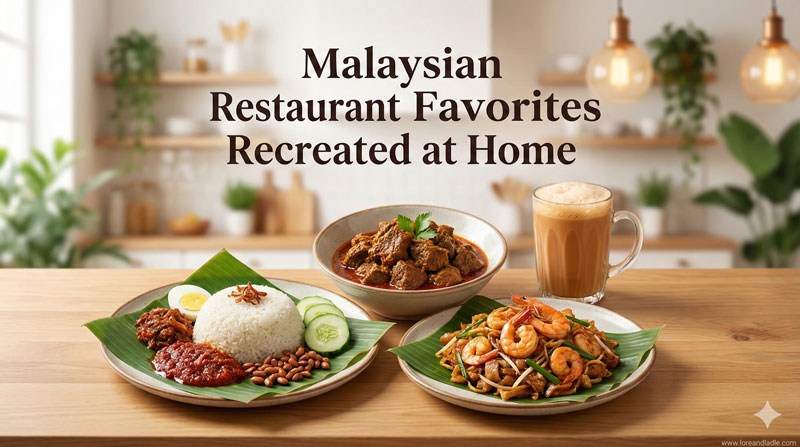
Beef rendang is more than a dish. It is a living expression of Malaysian culinary craft, patience, and seasonal celebration. In this guide, How to Make Restaurant-Style Beef Rendang at Home Just Like a Malaysian Restaurant, we explore its cultural value and culinary significance. You will see how careful technique and generous flavors come together to tell a story you can taste. This post keeps the focus on respect for tradition, shared meals, and the beauty of slow cooking.
The Cultural Value of Rendang in Malaysian Cuisine
Rendang occupies a special place at the heart of Malaysian food culture. It is often prepared for festive occasions, family gatherings, and seasonal feasts, where food becomes a bridge between generations. The preparation invites quiet focus and shared effort, turning cooking into a ritual of care. The dish embodies balance: a harmony of spice, sweetness, and richness that mirrors values of harmony and hospitality. When served, rendang invites conversation, pairing beautifully with rice, vegetables, and the warmth of communal dining.
Flavor and Technique: What Makes Rendang Special
The soul of rendang lies in its spice paste and the long, slow simmer. A bumbu blends shallots, garlic, fresh chilies, lemongrass, galangal, turmeric, and spices, ground to release bright fragrance. Toasting and grinding intensify the aroma, building layers that deepen as the sauce reduces. Beef meat browns first, acquiring color and texture that shine through as the sauce thickens. Coconut milk and a touch of stock cradle the meat, while a gentle boil invites the liquid to marry with the paste. The result is a glossy, deeply flavored sauce that clings to each piece of beef. A final touch, often kerisik (toasted and finely grated coconut), adds body and a nutty depth that lingers on the palate.
From Pot to Plate: Recreating Restaurant-Style Rendang at Home
To capture restaurant-style Rendang at home, start with the spice paste. Use a blender or mortar and pestle to combine shallots, garlic, fresh chilies, lemongrass, galangal, and a pinch of turmeric until smooth. Searing the beef in small batches develops color and a toasty aroma. Then add the spice paste and cook until it is fragrant and darkened slightly, releasing essential oils. Pour in thick coconut milk and a splash of water or stock; add the lemongrass stalk and optional lime leaves for brightness. Simmer gently, uncovered if possible, until the sauce reduces and the meat becomes tender. Stir in kerisik toward the end to enrich texture and amplify savoriness. Let the rendang rest off the heat for a short period; the flavors mature as the dish cools slightly. Serve with steamed rice and fresh greens to highlight balance and aroma.
Serving, Sharing, and the Experience
Rendang shines when shared. Present it in a warm dish, spooning the glossy sauce over tender beef. The dish invites savoring in small bites, allowing the fragrance and richness to unfold on the tongue. Pairing with coconut-fragrant rice or simple vegetables emphasizes texture and balance. In gatherings, the act of serving rendang becomes an invitation to conversation, to reflect on the craft of spice, time, and teamwork in the kitchen. This is cuisine that celebrates patience, skill, and generosity.
Tips for Authentic Flavor at Home
- Choose tender beef cuts suitable for slow cooking, such as chuck or brisket, cut into bite-sized chunks.
- Build the paste in stages: first the aromatics, then the spices, to extract maximum fragrance.
- Fry the paste gently to release essential oils without burning; adjust heat as you cook.
- Use full-fat coconut milk for a rich, smooth sauce; avoid low-fat versions that curtail depth.
- Add kerisik for body and a toasty, nutty note; toast coconut until deeply golden and grind finely.
- Simmer slowly and patiently; the sauce thickens as water evaporates and fats separate.
- Rest the dish briefly after cooking; flavors settle and become more harmonious.
- Finish with a light touch of salt and, if desired, a touch of palm sugar to fine-tune sweetness.
- Plate with simple accompaniments that highlight balance rather than overwhelm the main flavors.
Final Thoughts
Beef rendang is more than a recipe; it is a celebration of technique, taste, and togetherness. By bringing this dish into the home kitchen, you connect with a vibrant culinary tradition that values careful attention, harmony of flavors, and joyful sharing. The restaurant-style result, achieved through thoughtful preparation and patient cooking, offers a delicious glimpse into Malaysian food culture. Enjoy the aroma, the tender beef, and the lingering richness as a reminder that great cooking can be both art and everyday hospitality.