
Introduction
Beginner’s Roadmap to Perfect late-night Salvadoran food truck pupusa runs Every Time invites readers into a world where simple corn dough, melting cheese, and bright slaw come together on a bustling street. Pupusas are a beloved part of Salvadoran food culture, enjoyed after a late shift, with friends gathered around a warm griddle, and shared with a tangy curtido and a punchy salsa. This guide stays focused on the beauty of the dish and its culinary value, offering a welcoming pathway for newcomers to appreciate the craft, flavors, and ritual that enrich nightly food journeys.
The heart of pupusa craft: masa, fillings, and craft
The foundation of every pupusa is masa—smooth, warm, and pliable dough made from ground corn. The masa carries the promise of texture: a soft interior that yields to the bite, and a gentle crust when cooked just right. Fillings vary, but three threads run through most late-night pupusa rounds: cheese, beans, and seasoned meats, with loroco or chicharrón as special twists. The cheese pupusa melts in the center, the bean version offers a creamy contrast, and a revuelta mix gives a cheerful harmony of flavors. The artistry appears in the press: a steady hand, a circle of even thickness, and careful timing on the hot surface. This is where technique meets flavor, and where the dish reveals its true character.
The late-night street scene and cultural value
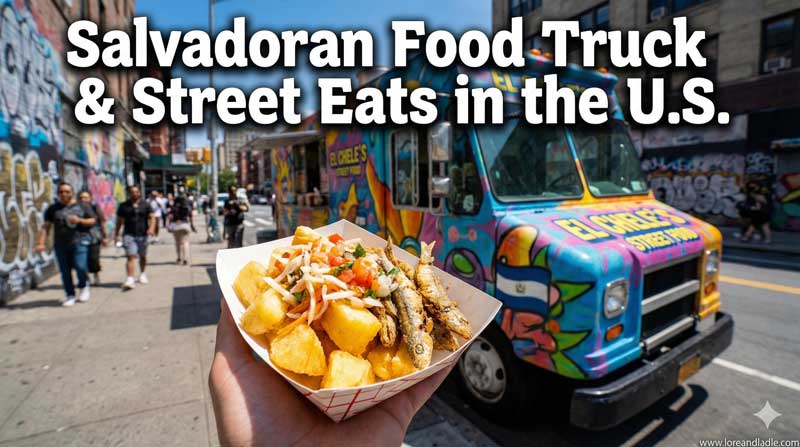
Salvadoran street food culture shines in late-night pupusa runs. The scene is warm and inclusive: vendors greet regulars by name, the air fills with the scent of corn and toasting spices, and the sound of orders in conversation becomes a gentle rhythm. Sharing pupusas creates a sense of belonging, whether you are a longtime fan or a curious newcomer. The pairing with curtido—a bright, lightly fermented cabbage slaw with carrots and vinegar—and salsa transforms a simple bite into a balanced experience: crunch, warmth, tang, and depth all at once. This ritual of gathering, tasting, and talking around a small, hot tortilla underscores the cultural value of pupusas as a social food—simple in form, rich in connection.
The beginner’s roadmap to perfect late-night pupusa runs Every Time
This section lays out a practical approach for newcomers to achieve reliable results and enjoy the process as part of a larger food experience.
- Step 1: Choose the right truck. Look for a reliable routine, a steady flame, and fresh-order energy. A good truck respects dough and timing, and you’ll feel the difference in the first bite.
- Step 2: Assess the masa. Fresh masa should feel silky and pliable, not crumbly. If it’s firm or stiff, it needs a touch more warmth or a few moments of resting time.
- Step 3: Decide on fillings. Start with a classic cheese or revuelta (mixed cheese and beans) to understand how the dough embraces each filling. Once comfortable, explore loroco or pork for added nuance.
- Step 4: Watch the press and shape. A steady, even press yields a uniform disk. Aim for about a half-inch thickness so the center remains soft while the edges stay lightly crisp.
- Step 5: Sizzle and turn. Place the pupusa on a hot, well-oiled surface. Cook until the bottom browns, flip once, and finish with a moment longer to heat the filling through without drying the exterior.
- Step 6: Build the bite with curtido and salsa. Fresh curtido adds brightness; salsa Roja or Salsa Verde adds a complementary kick. Pour or place lightly beside the pupusa to balance heat and acidity.
- Step 7: Savor and reflect. Take a moment to notice how the warmth releases aroma, how the cheese stretches, and how the crust delivers texture. Let the flavors speak for the dish’s craft.
- Step 8: Learn and repeat. Each visit to a pupusa truck can teach you a little more about timing, heat, and balance. Return with new fillings or a new side to deepen your appreciation.
Core flavors and how they come together
The beauty of the pupusa lies in how simple ingredients create a layered experience. Masa provides a comfortable base and a gentle sweetness that complements the saltiness of cheese or the earthiness of beans. The fillings bring personality—melting cheese offers comfort, pork adds richness, and loroco introduces a delicate herbal note. Curtido brings acidity and crunch to counterbalance the soft warmth of the pupusa, while salsa adds a welcome spark. This balance—soft interior, crisp edge, tangy slaw, and bright salsa—defines the culinary significance of the dish and explains why it endures in night markets, street stalls, and family kitchens alike.
A sensory map: texture, aroma, and bite
Texture is the first signature of a well-made pupusa. The dough should yield with a light press and show a tender interior contrasted with a slight crust around the edge. Aroma carries corn sweetness, a hint of salt, and the toasty scent of the cooking surface. The bite combines creaminess from the cheese with the savory depth of the filling, followed by the fresh, tangy notes of curtido and the clean bite of salsa. This sensory blend makes late-night pupusa runs memorable and invites repeat visits to refine technique and to discover new flavor combinations.
Pairings and the chorus of condiments
Curtido and salsa are not mere toppings; they are essential companions that complete the pupusa experience. Curtido’s brightness and crunch prepare the palate for each bite, while salsa provides structure—whether you prefer a gentle warmth or a bolder kick. In many settings, a simple squeeze of lime or a drizzle of hot sauce can elevate the entire plate. The pairing ritual Is a small ceremony that honors the dish and the street-food culture surrounding it.
Home practice: translating street skill to home kitchens
For those who want to practice the craft beyond the truck, home methods can still capture the essence. Use masa harina mixed with warm water and a pinch of salt to form a pliable dough. Press with a plastic-wrapped plate or a small tortilla press, aiming for uniform thickness. Cook on a dry skillet or cast-iron pan until the edges are crisp and the center is soft and heated through. Fill with your preferred combinations, and serve with curtido and salsa on the side. With patience, the home version becomes a personal moment of street-food magic.
Cultural value and culinary significance in daily life
Pupusas reflect a food culture that values family, community, and shared plates. The late-night truck scene turns ordinary sidewalks into gathering spaces where flavors are discussed, friends reconnect, and new tastes are explored. The craft—careful dough handling, precise heat, and thoughtful fillings—speaks to a tradition of hands-on skill and pride in quality. The combination of masa, fillings, and traditional toppings tells a story of comfort, innovation, and regional variation that readers can appreciate in their own way.
Closing: an invitation to explore with curiosity and respect
If you step into a late-night pupusa run with this Beginner’s Roadmap in mind, you’ll discover more than a delicious snack. You’ll encounter a practice and a flavor profile that celebrate careful technique, collaborative dining, and the everyday magic of street food. Approach each bite with curiosity, honor the craft behind the dough, and enjoy the harmonious chorus of textures, colors, and tastes. This guide aims to help you experience pupusas every time as a warm, welcoming part of Salvadoran food culture, inviting you to return and explore again and again.