
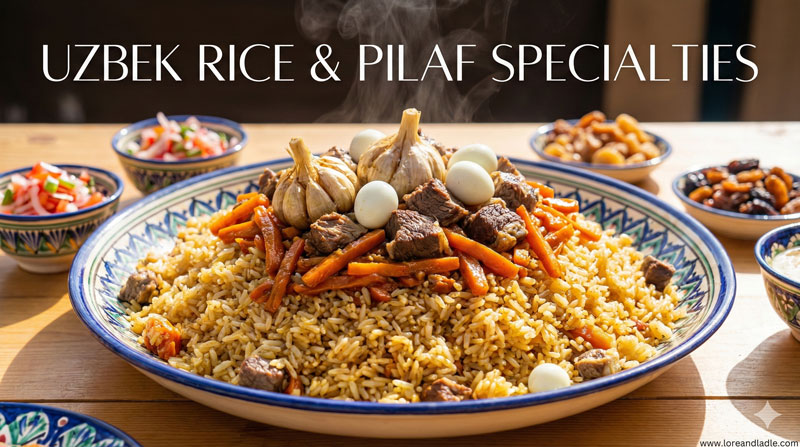
Must-Try Beshbarmak – Uzbekistani Rice & Pilaf Specialties Flavor You’ll Love
Beshbarmak is a beloved dish in Uzbek cuisine. It centers on family, hospitality, and careful cooking. The name, often translated as “five fingers,” hints at the hands-on way people share this meal. While Uzbek plov (rice pilaf) shines with rice and aromatics, beshbarmak offers a distinct path to savor tender meat and smooth noodles.
What makes beshbarmak special
This dish blends simple ingredients into a memorable experience. A pot of meat simmers gently until it becomes tender. Thick, flat noodles lay beneath the meat, soaking in a light, savory broth. On top, onions are often cooked until sweet and translucent, adding depth without overpowering the meat’s flavor. The combination creates a comforting harmony that speaks to shared meals and thoughtful preparation.
The core elements you’ll notice
- Meat: Lamb or beef is common, sometimes poultry. The meat is cooked to tenderness, releasing rich flavors into the surrounding broth.
- Noodles: The noodles are broad and flat, crafted from wheat dough. They are designed to hold up to the broth and meat without losing their bite.
- Broth and onions: A clear, well-seasoned broth brings the dish together. Slow-cooked onions add a gentle sweetness that lingers on the palate.
- Presentation: A big platter or wide serving dish makes it easy for everyone to gather around, tear noodles by hand, and share bites.
These elements work in concert to deliver texture, aroma, and a sense of ceremony with every bite. The act of assembling the dish on the plate is part of the experience, inviting patience and conversation.
The hands-on experience: five fingers and togetherness
The expression “five fingers” captures more than a name. Diners often eat with their hands, tearing noodles, picking up meat, and dipping a bite into the broth. This tactile approach creates a warm, communal mood. It emphasizes hospitality and mindful eating. In homes and restaurants alike, the ritual of sharing beshbarmak reflects a culture that values connection, conversation, and care in every meal.
A dish for gatherings and everyday joy
Beshbarmak shines at celebrations and family meals. It appears on coins, holidays, and weekend gatherings, always as a centerpiece that brings people together. The dish invites stories, laughter, and slow enjoyment. This is a food that makes ordinary days feel special and memorable. Its presence on the table signals a moment of welcome and good cheer.
Regional flair and variations
Across Uzbek tables, you’ll find small but meaningful differences that reflect local tastes and techniques:
- Meat choices vary by family and region, from lamb to beef, each bringing a distinct aroma.
- Noodles can be hand-cut or rolled thin, with slight variations in width and texture.
- The onion preparation ranges from raw slivers sprinkled on top to onions simmered in the broth for a sweeter finish.
- Some cooks offer a herbal touch, such as dill or cilantro, to brighten the flavors at the end.
These nuances celebrate personal touch and tradition, while maintaining the dish’s core identity. The result is a family-friendly dish that feels both familiar and special, no matter where it is served.
Complementary elements on the Uzbek table
In Uzbek dining, beshbarmak often sits alongside bread, fresh herbs, and a simple salad. The bread acts as a perfect vehicle for soaking up the savory broth. Fresh onions or a light herb salad can contrast with the rich meat, adding brightness to the plate. A clear, well-made broth ties everything together, making each visit to the table a complete sensory moment.
How to choose quality beshbarmak when you’re dining out
- Look for handmade noodles with a soft bite that holds up under the meat and broth.
- Check that the meat is tender and flavorful, not overcooked or dry.
- Notice a clean, balanced broth that carries the meat’s savor without overpowering it.
- Observe a plate that presents the onions and meat harmoniously, inviting you to explore each component.
A quick guide for first-time tasters
- Begin with a small portion of noodles, a bite of meat, and a spoonful of broth.
- Add onions to taste if they are offered; they enhance sweetness and depth.
- Enjoy the shared meal with friends or family to capture the dish’s spirit of hospitality.
The beauty of beshbarmak in Uzbek food culture
Beshbarmak embodies care, craft, and community. It showcases the skill of noodle making, the patience of slow simmering, and the generosity of sharing a table. The dish invites us to slow down, savor textures, and honor the people at our table. In every bite, there is a story of family, skill, and a culture that cherishes warmth and togetherness.
Conclusion: an inviting culinary experience
If you seek a dish that encapsulates hospitality and culinary craft, beshbarmak offers a compelling choice. Its marriage of tender meat, sturdy noodles, and gentle onion-scented broth tells a story of Uzbek food culture—one of welcome, care, and enduring flavor. Try beshbarmak to discover a comforting, culturally rich experience that stands proudly beside Uzbekistan’s celebrated plov and other pilaf traditions. You’ll find it inviting, respectful, and deeply satisfying to the palate.