
Introduction
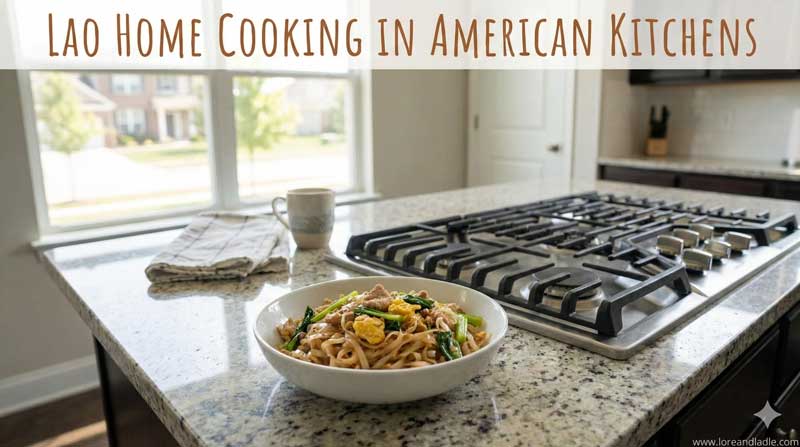
The dish titled Best Lao Home Cooking in American Kitchens to Try in the U.S. This Year invites readers to savor a living kitchen tradition. It centers on gentle, thoughtful flavors and the warmth of shared meals. In this post, I celebrate the cultural value and culinary significance of Lao home cooking as it finds a home in American kitchens. The focus stays on how Lao recipes connect people to ingredients, seasonality, and hospitality. The goal is to honor taste, technique, and the everyday beauty of home cooking.
The Heart of Lao Home Cooking
Lao home cooking begins with balance. The core is simplicity that shines through fresh ingredients. Sticky rice sits at the table like a quiet cornerstone, inviting fingertips and shared bites. Fresh herbs—mint, cilantro, dill, and Asian basil—offer bright contrasts. Aromatics such as lemongrass, kaffir lime leaves, and garlic lift dishes without overwhelming them. This approach shows how Lao cuisine respects both the land and the cook’s hands. In every kitchen, the act of cooking becomes a ritual of care and patience.
Signature Flavors and Techniques
Flavor is built in layers. A combination of lime juice, fish sauce, and chili creates a bright, tangy, and savory profile. Green herbs and roasted rice powder add texture and depth. The mortar and pestle is more than a tool; it is a compass for guiding ingredients into harmony. Grilling, steaming, and quick frying are common methods that keep the natural sweetness of meat and fish intact. A staple paste or jeow adds heat and a touch of smokiness. Each element plays a role, and the balance among sour, salty, spicy, and herbal notes is the art of Lao home cooking.
A Feast of Textures
Texture enriches every bite. Tender meats meet crisp herbs. Silky fish blends with crunchy vegetables. Sticky rice offers a soft chew that complements lively sauces. The idea is to invite contrasts without overwhelming the palate. This balance makes Lao dishes feel comforting and lively at once. In American kitchens, where many cooks seek clear, satisfying textures, Lao home cooking provides a satisfying path to discover new combinations while still feeling familiar.
Dishes to Explore
In this kitchen tradition, several dishes stand out for Home Cooks building Lao-inspired menus in the U.S.:
– Larb (Laab): A bright meat salad seasoned with lime, fish sauce, chili, and herbs. It is quick to prepare and deeply aromatic.
– Som Mak Hoong (Papaya Salad): Shredded green papaya with lime, fish sauce, and chilies. It sings with freshness and a crisp crunch.
– Mok Pa (Steamed Fish in Banana Leaf): Fish steamed with fragrant aromatics and herbs, wrapped for aroma and tenderness.
– Or Lam: A comforting stew of meat, greens, and herbs, often finished with chilies for warmth.
– Jeow (Dips and Pastes): Spicy chili pastes that invite dipping and sharing, adaptable to many ingredients.
These dishes exemplify Lao home cooking’s strength: simple, clean ingredients elevated by balance, texture, and thoughtful technique. In American kitchens, they become vessels for exploration—of flavor, texture, and the joy of cooking with family or friends.
Cultural Value in the Home Kitchen
Lao home cooking centers on hospitality. Meals are occasions to gather, share stories, and welcome guests. Recipes pass from one cook to another, often changing with seasons or household preferences. This continuity creates a living thread that ties generations together through taste. The cuisine values mindfulness—choosing ingredients with care, preparing them with attention, and presenting a meal with warmth. In the United States, this translates into a welcoming dining experience that invites newcomers to discover Lao flavors at their own pace. The result is a cuisine that feels both intimate and universal: a set of recipes that honors place, family, and shared nourishment.
Practical Tips for American Kitchens This Year
For cooks in the U.S., several practical ideas help bring Lao home cooking into daily life:
– Source: Look for sticky or glutinous rice in Asian markets; it’s the backbone of many Lao meals. Fish sauce, lime juice, fresh chilies, lemongrass, and fresh herbs are widely available in supermarkets with international sections.
– Substitutions: If a specific herb is hard to find, use a similar leaf that pairs well with lime and fish sauce. For chili heat, start with smaller amounts and adjust to taste.
– Techniques: Use a mortar and pestle to release essential oils from herbs and chilies. If a mortar is unavailable, finely chop ingredients and gently crush with a heavy knife to approximate the texture.
– Freshness: Choose bright herbs and crunchy vegetables. Freshness matters more than any single ingredient in Lao flavor balance.
– Seasonality: Align dishes with seasonal produce. Fresh greens in spring and herbs in summer heighten flavor and accessibility.
Serving Traditions and Pairings
Serving Lao home cooking well in American kitchens often means arranging a small, inviting spread. Sticky rice is placed in small baskets or bowls, ready to be torn into pieces. Dips and sauces sit nearby for dipping or spooning. A platter of larb or a bowl of papaya salad invites guests to mix flavors at the table. Fresh herbs are offered on the side to tailor each bite. By presenting food this way, cooks honor hospitality and encourage conversation around the table. The result is a meal that both comforts and teaches, highlighting how Lao flavors can enliven family dining in any setting.
How This Dish Fits in American Kitchens This Year
In the current dining landscape, Best Lao Home Cooking in American Kitchens to Try in the U.S. This Year emphasizes accessibility and learning. It celebrates a cuisine that thrives on fresh ingredients and thoughtful technique, approachable to home cooks with varying levels of experience. The dish invites people to slow down a little—to chop, crush, and balance flavors with care. It also offers a pathway to healthier meals that remain deeply satisfying. By embracing Lao home cooking, American kitchens can widen their culinary horizons while keeping meals rooted in warmth and generosity.
Final Thoughts
This year offers a welcoming moment to explore Lao home cooking in American kitchens. The dish at the center of this exploration highlights cultural value through shared meals, precise technique, and the beauty of balanced flavors. It shows how a simple plate can carry stories of ingredients, family, and hospitality. If you try these Lao-inspired dishes, you may discover a fresh sense of connection to food—one that feels timeless and new at once. The invitation is clear: invite friends and family to the table, celebrate fresh herbs and bright sauces, and enjoy the quiet luxury of good, homemade Lao meals.