
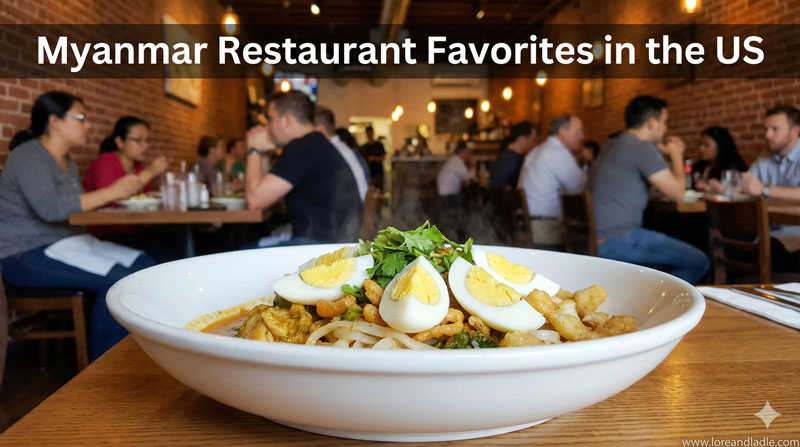
Introduction
Welcome to a celebration of Myanmar flavors as they appear in U.S. restaurants. The concept “Best Myanmar Restaurant Favorites in the U.S. Loved in the U.S. Right Now” acts as a gateway to a vibrant cuisine. This post highlights the cultural value and culinary significance of these dishes. The focus is on taste, technique, and tradition, not on politics. With each bite, you sense a narrative of markets, family kitchens, and careful craft.
Cultural Value of Myanmar Favorites in the U.S.
Myanmar food in the United States shines as a communal experience. Dishes arrive in sharing bowls and generous plates, inviting conversation and connection. The table becomes a space where warmth and hospitality are shown through food. Fresh herbs, bright citrus, and aromatic oils punctuate every course, signaling care and attention. Beyond taste, these meals convey a sense of place—the rhythms of daily life in Myanmar, from early morning soups to evening noodle suppers. Diners learn to read a menu as a map of regional pride, family recipes, and seasonal ingredients. In this sense, the favorites are more than meals; they are cultural expressions carried into new kitchens with respect and curiosity.
Culinary Significance of Signature Dishes
The flavors of Myanmar are defined by balance and brightness. Sour, salty, sweet, and bitter meet in harmony. Common building blocks include fish sauce, ngapi (fermented fish paste), lemongrass, garlic, ginger, turmeric, and coconut milk. Noodles, rice, and tea leaves anchor many dishes, while crisp toppings add texture and surprise. The culinary language is practical and refined: slow-simmered broths, quick wok-stir fries, and careful garnishes that finish a dish with color and aroma. Each dish in the U.S. menu invites the palate to explore Southeast Asian cousins while preserving a distinct Burmese identity.
- Mohinga, a beloved fish-noodle soup, showcases a fragrant broth enriched with lemongrass and ginger. Its soft noodles contrast with a bright, citrus-kissed finish.
- Lahpet Thoke, the tea leaf salad, delivers crunch, tang, and depth. Fermented tea leaves mingle with sesame, peanuts, and fried garlic for a lively texture.
- Ohn No Khao Swè blends coconut, curry, and noodles into a comforting bowl. A gentle heat and creamy sauce carry comforting familiarity.
- Shan noodles offer a lighter, slighter broth and fresh herbs. They celebrate regional nuance with subtle spice and crisp toppings.
These core flavors travel well, inviting U.S. diners to appreciate regional stories within a shared plate.
Dishes You’ll Find in the U.S. Menu Right Now
The curated collection features several favorites that appear confidently on contemporary Burmese restaurant menus across the United States. Each dish carries a distinct voice, yet all share a common respect for balance and freshness.
- Mohinga: A morning favorite for many. The aroma of fish stock, lemongrass, and garlic invites quick, comforting slurps.
- Lahpet Thoke: A snack-sized masterpiece for many meals. The tea leaf bite pairs with sesame and peanuts for a lively crunch.
- Ohn No Khao Swè: A creamy noodle bowl that pleases both spice lovers and mild-taste fans. Coconut and curry notes create a gentle warmth.
- Shan Noodles: A bright, herb-forward dish with a clean finish. It highlights the beauty of simple, well-chosen ingredients.
- Burmese Chicken Curry: A deeper, slower-simmered sauce that embraces cloves, turmeric, and bright citrus.
These dishes appear with careful plating and thoughtful garnishes. The presentation respects the food’s origin while inviting modern dining sensibilities. The result is a dining experience that feels both familiar and new.
Visual and Sensory Experience
Myanmar favorites in the U.S. delight the senses beyond taste. The colors tell a story: turmeric-gold, emerald herbs, pale noodles, and the deep brown of a finished curry. Aromas rise from steaming bowls and sizzling pans, inviting closer inspection. Textures vary—from silky broths to crisp fried shallots, to tender noodles, to crunchy toppings. Each element is chosen to enhance the next, creating a cohesive, memorable experience. Even the table setting can reflect careful attention, with lime wedges, cilantro sprigs, and sesame sprinkled as a final touch.
How the Dishes Reflect Burmese Culture in the U.S.
The way these favorites are prepared and shared in the United States reflects core Burmese culinary values: hospitality, balance, and seasonal awareness. Food is a welcome invitation, a reason to gather, and a way to communicate care. The use of fresh herbs and bright spices speaks to a culture that values vitality in every bite. Regional variations speak to the diversity within Burma itself, while the American setting shows how these flavors adapt without losing identity. The result is a living bridge between kitchens—where tradition is preserved and curiosity is celebrated.
Pairings, Etiquette, and Enjoyment
To appreciate these dishes fully, consider simple pairings and mindful tasting. A light, jasmine tea or a mildly sweet drink can cleanse the palate between bites. Add lime or fresh herbs to brighten flavors as you desire. Eat with care and share portions to experience the communal dimension of Burmese dining. The goal is not speed but thoughtful enjoyment and conversation around the table.
Bringing Myanmar Flavor Home
If you wish to recreate a sense of these favorites at Home, start with a few core ingredients: a good broth base, turmeric, lemongrass, fresh herbs, and a small amount of ngapi to evoke authentic depth. Use gentle heat to build layers, then finish with bright herbs and a touch of lime. Remember the balance: a little tang, a gentle heat, and a clean finish. Even small adjustments can preserve the dish’s character while making it approachable for home cooks.
Conclusion
The collection “Best Myanmar Restaurant Favorites in the U.S. Loved in the U.S. Right Now” is more than a list. It is a window into Myanmar’s culinary soul and its rich presentation in American dining. The dishes honor tradition while inviting modern enjoyment. Through aroma, texture, and color, these favorites express cultural value and culinary significance with warmth and respect. Whether you dine in a city restaurant or entertain at home, you are part of a continuing story—one that honors craft, community, and the joy of shared meals.