
A Taste of Taiwan in Your Kitchen
Best Taiwanese Restaurant Favorites Dishes That Bring Taiwan’s Flavors to Your Kitchen is more than a recipe collection. It is a doorway to a living culinary culture. Each dish embodies everyday ingenuity, seasonality, and the generous spirit of sharing. The dishes speak in clear flavors, balanced textures, and comforting warmth. When you cook them at home, you invite a moment of Taiwan into your room. The experience is inviting, respectful, and deeply rooted in the joy of good food passed from kitchen to table.
Taiwan’s flavors are known for harmony. Savory, sweet, sour, and fragrant notes meet in plates that feel bright yet grounded. The food respects seasonality and local ingredients. It celebrates careful technique as much as bold imagination. This collection highlights that balance. It shows how a simple broth, a well-timed wok stir, or a slow braise can carry culture as it nourishes. The result is meals that feel both familiar and new, crafted with care and shared with care.
Core Techniques that Shape Taiwan’s Flavors
At the heart of these dishes are techniques that travelers and Home Cooks alike recognize as true to Taiwan. First, the wok breath—the quick, high-heat stir that creates sharp aroma and crisp edges—locks in flavor while keeping vegetables bright. Next, braising in a soy-sauce rich liquid yields tenderness and depth, with fragrant clove of garlic, ginger, and star anise weaving through the dish. Simmering stocks made with bones and aromatics create comfort in every spoonful. Finally, the art of balancing textures matters. A silky sauce pairs with tender meat, while crisp fried toppings add a welcome snap. These methods do not belong to a single kitchen; they belong to a shared kitchen culture that values patience, timing, and respect for ingredients.
Important ingredients show Taiwan’s regional personality. Pork and seafood are celebrated in stews and noodles. Fresh greens lend color and bite. Tofu offers a gentle counterpoint to richer flavors. Rice forms the quiet backbone of many meals. Soy, sesame, and chili bridge bright fruit notes like scallion and pickled vegetables. The result is a menu where every bite tells a small story about a place, a season, and a family recipe.
Dishes that Define Taiwanese Restaurant Classics
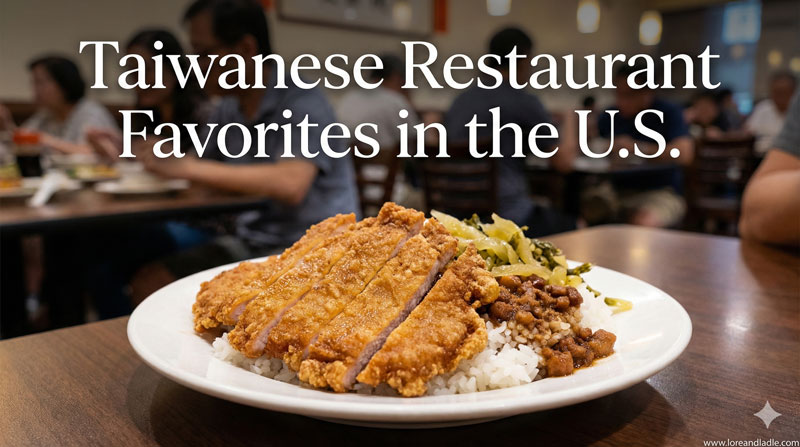
This collection spotlights dishes that are beloved in many Taiwanese kitchens, from street stalls to refined home dining. Braised pork belly over rice captures warmth and comfort in a single bowl. Slow-cooked in soy, sugar, spices, and aromatics, the pork becomes tender, glossy, and deeply satisfying. The dish invites conversations about patience and the art of letting flavors develop.
Beef noodle soup offers a different kind of poetry. A fragrant broth, chewy noodles, and ribbons of beef come together for a soulful, nourishing meal. The soup reflects careful balance: richness is present, but not overwhelming. It invites slurps and smiles alike, a reminder that food can be both hearty and refined.
Oyster omelette is another signature texture-rich dish. The eggs cradle plump oysters while a cornstarch starch gives a soft, almost custard-like bite. The top layer often carries a lightly charred edge. This dish speaks to the resourceful use of local seafood and the playful beating of textures into one plate.
Scallion pancakes and similar steamed or pan-fried breads appear as social, shareable foods. They are easy to prepare, yet carry the quiet poetry of a family making a meal together. A simple dipping sauce completes the experience and anchors the dish in daily life.
Noodle dishes, such as thin, springy wheat noodles in a savory broth or a bright sesame sauce, show how Taiwan balances comfort with technique. Each noodle type adds a voice to the chorus of flavors, offering a different mouthfeel and aroma with every bite.
From Pot to Plate: Bringing Taiwan to Your Table
To recreate these flavors at home, start with clear goals: texture, aroma, and balance. Build a well-seasoned wok or a sturdy pot. Use fresh ingredients and respect the natural seasonings of your market. Rely on a few high-impact ingredients—garlic, ginger, scallion, soy, and a touch of sesame—to anchor the dish. Then layer in lighter notes like rice wine or rice vinegar to brighten the broth or sauce.
Plan your mise en place. In Taiwan, timing matters as much as technique. Have aromatics chopped, proteins prepped, and greens ready to fold in. This preparation helps you achieve the crisp-trailing aroma of the wok and the velvety finish of braises. Taste as you go. Small adjustments—salt, sweetness, or acidity—shape the final character.
Seasonal produce and sustainable proteins bring the dishes to life with local character. When you cook with what is fresh, you honor the land and the weekly rhythm of markets. This approach also makes it easier to achieve the iconic balance Taiwan’s cooks aim for: a harmony of bold and gentle flavors, a texture chorus, and a welcoming plate.
The Cultural Rhythm of Taiwanese Dining at Home
These dishes are more than meals. They are social rituals that invite sharing, conversation, and delight. In Taiwan, food is a way to gather, celebrate, and comfort one another. Bringing these flavors into your kitchen is a way to invite that same warmth into your home. The act of preparing and serving these dishes becomes a small, daily ceremony of care.
A home version often becomes a family memory in the making. Children learn to measure, watch the clock, and taste, while adults pass on tips and stories that accompany each dish. The plates, bowls, and even the table setting echo traditional hospitality: simple, generous, and considerate. Food becomes a bridge across days, offering a steady thread of culture you can feel with every bite.
A Respectful Invitation to Explore
As you explore Best Taiwanese Restaurant Favorites Dishes That Bring Taiwan’s Flavors to Your Kitchen, you step into a living culture that values craft, seasonality, and community. Each dish invites you to pay attention to technique, to honor ingredients, and to share meals with care. The result is more than flavor; it is an appreciation for the beauty of Taiwan’s culinary language—one that welcomes you to participate, learn, and savor.