
Introduction
Taiwanese street food has a lively spirit that travels well. The collection titled “Best Taiwanese Food Truck And Pop-Up Dishes Dishes for Taiwanese Food Lovers in America” spotlights dishes that travel from busy night markets to city lanes across America. It celebrates flavor, technique, and the shared delight of tasting traditions in new places. This piece explores the cultural value and culinary significance behind these portable delights.
Core Flavors and Techniques
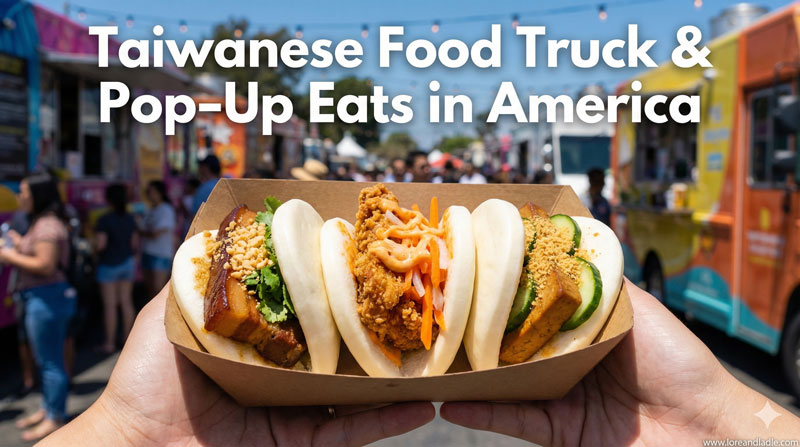
Taiwanese street bites center on balance and brightness. Gua bao, the soft steamed bun cradling braised pork, pickled mustard greens, and fresh herbs, embodies harmony between savory richness and crisp acidity. The pork receives slow braising, then a quick sear for a glossy finish, a technique that preserves tenderness while adding depth.
Beef noodle soup offers soul-warming comfort. Tender meat, a sipping-worthy broth, and springy noodles come together in a bowls that speak to patience and care. The broth builds character from slow simmering with aromatics, yielding a clear, aromatic finish that invites slurping rather than silence.
Lu rou fan, braised pork over rice, showcases sweet and savory contrasts, soy glaze, and careful timing. This dish highlights how simple ingredients—pork, rice, soy, and spice—become something memorable through technique and timing.
Scallion pancake or other fried dough-to-savoury-crisp items reveal the joy of a hot wok. Thin layering, controlled heat, and a final crisp offer texture that contrasts with softer fillings, a signature joy in street formats.
Beverages, including bubble tea and lightly sweetened iced teas, accompany meals with tactile textures and bold flavors. The drink line complements the food palette by offering dairy or non-dairy richness and chewy pearls, if chosen.
These dishes are prepared with a focus on fresh ingredients, precise knife work, and wok or pan mastery. Each method preserves authenticity while inviting cooks to adapt to local markets and seasonal finds.
The Mobility of Taste
The pop-up kitchen and food truck model shapes a dynamic culinary stage. Chefs bring time-honored methods to open-air spaces, letting flavors travel beyond fixed restaurants. Fresh markets nearby provide ingredients that influence daily menus, so dishes stay vibrant and seasonally aware.
In America, these setups connect neighborhoods through aroma, sight, and sound. You might notice a well-seasoned wok hiss, a splash of soy, or the scent of sesame as a line forms. The mobility encourages experimentation with local produce while honoring core techniques. This blend creates a living bridge between tradition and contemporary appetite.
Cultural Connections Through Craft
Cooking becomes storytelling when a recipe passes from kitchen to street and into the hands of eager tasters. Each dish carries lineage—careful braising, careful dough work, precise frying—yet remains adaptable enough to reflect a chef’s personal touch. The pop-up format invites conversation between cook and customer, turning a meal into a shared experience and a moment of cultural exchange.
Culinary craft is shown in the attention to texture, balance, and timing. The buns stay pillowy, the fillings stay juicy, and the sauces carry fragrance without overpowering. These elements demonstrate how tradition can be expressed with modern precision, making the dishes both familiar and fresh.
Seasonality and Local Ingredients
Seasonality influences the menus of these trucks and pop-ups. Fresh greens, herbs, and locally sourced proteins keep each stop feeling of the moment. While core flavors remain true, cooks may adjust sweetness, salt, and acidity to honor what’s available. This approach respects both tradition and place, which enriches the dining experience without sacrificing authenticity.
Experience: A Meal as an Event
Eating a dish from a Taiwanese food truck or pop-up often feels like a small festival of textures and scents. The aroma invites you to slow down, look at the ingredients, and appreciate the craft behind each bite. The atmosphere—open air, friendly service, and a shared table—adds to the cultural value of the food. It becomes more than sustenance; it becomes a moment of cultural appreciation and connection.
How to Engage with the Dishes
- Look for signature items like a pillowy gua bao, a comforting bowl of beef noodle soup, and a savory scallion pancake.
- Try a traditional beverage pairing to complete the experience.
- Notice the balance of sweetness, salt, and acidity in each bite.
- Observe how local markets influence the day’s offerings while core techniques remain constant.
Conclusion
The collection “Best Taiwanese Food Truck And Pop-Up Dishes Dishes for Taiwanese Food Lovers in America” offers more than a menu. It is a celebration of flavor, technique, and the shared joy of food as culture. Through portable kitchens and adaptable menus, these dishes keep tradition alive while inviting new audiences to savor Taiwan’s culinary beauty. This is food that travels well and speaks warmly about heritage, craftsmanship, and community.