
Introduction
This post explores Best Taiwanese Food Truck And Pop-Up Dishes Favorites That Bring Taiwan’s Flavors to Your Kitchen. It celebrates how vibrant street cooking translates Taiwan’s culinary soul into meals you can savor at Home. These mobile kitchens carry tradition with a spark of invention, inviting diners to share in the warmth, rhythm, and harmony of Taiwanese flavors. Here, the focus is on culture and craft—the stories behind the foods, the hands that shape them, and the way they invite neighborly joy.
The Cultural Value of Taiwanese Street Food on the Move
Taiwan’s street food culture thrives wherever people gather—night markets, busy streets, and lively neighborhoods. Food trucks and pop-ups extend that communal magic to new spaces and times. They honor faithfully kept recipes while welcoming fresh ideas, so every bite becomes a bridge between generations and neighborhoods. First, these kitchens show hospitality in action: a warm welcome, a quick conversation about the day, and a plate that invites sharing. Next, they reflect a deep respect for seasonal ingredients and regional heritage, turning simple components into beloved dishes. Moreover, this mobility democratizes flavor, letting anyone encounter Taiwan’s food culture without traveling far. In addition, the craft on wheels highlights skill and speed, but never at the expense of balance or care. Finally, it is a living tradition: these trucks and pop-ups adapt to urban life, festivals, and family gatherings, keeping Taiwan’s flavors accessible and alive.
Signature Dishes From Food Trucks and Pop-Ups
These favorites capture Taiwan’s culinary spirit in handheld form, small plates, and shareable bowls. Each dish shows how tradition and innovation meet in street dining.
-
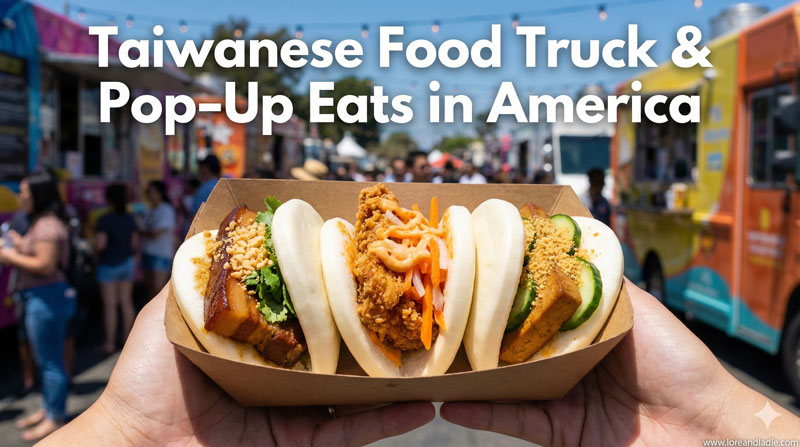
Gua Bao (Pork Belly Buns): A fluffy steamed bun cradles braised pork, crunchy pickled mustard greens, crushed peanuts, and a drizzle of savory sauce. The textures dance between soft, chewy, and crisp, while the sweet-savory glaze tells a story of home cooking meets street flavor. It embodies balance, hospitality, and the joy of bite-sized, portable meals.
-
Oyster Omelette: Egg and oyster come together with a touch of starch to create a glossy, slightly chewy bite and crisp edges. Wok hei and peppery notes add depth, reminding us how fire and technique shape flavor. This dish celebrates the sea’s bounty and the skill of quick, precise cooking.
-
Dan Bing (Egg Pancake Roll): A warm crepe-like wrapper folds in egg and scallions, sometimes with herbs or a hint of sauce. It’s a practical breakfast and a comforting snack that travels well. The simplicity of Dan Bing highlights how few ingredients can deliver bright aroma and comforting texture.
-
Braised Pork Rice in Mini Bowls (Lu Rou Fan-Inspired): Slow-braised pork shoulder in a rich sauce rests atop fragrant rice. Even in a compact format, the dish carries the depth of patience, layered seasoning, and a comforting sense of home cooking that many families rely on for nourishment and warmth.
-
Beef Noodle Sliders: Tender beef braise, braising aromatics, and a savory sauce tucked into bite-sized buns. These sliders demonstrate how a beloved soup can translate into portable form without losing its soulful, hearty essence.
-
Stinky Tofu or Fermented Tofu Dishes (When Offered): Stinky tofu appears as a bold, fearless flavor for curious tasters. It invites conversation about fermentation, aroma, and the care that goes into turning humble ingredients into something expressive and memorable.
Each dish illustrates how Taiwanese street food folds regional preferences, seasonal produce, and culinary technique into a shared dining experience. The result is a mosaic of flavors that travels well and invites conversation about taste, texture, and tradition.
The Craft Behind the Kitchen on Wheels
The magic of these dishes comes from a careful balance of technique, ingredients, and timing. First, heat is the artist. A hot wok or skillet delivers rapid searing, smoke, and a glossy surface that seals in juices. This “wok hei” is the breath of a dish, and skilled cooks nurture it with steady rhythm and clean, precise motions. Next, braising or simmering builds depth. Slow-cooked sauces mingle soy, sugar, aromatics, and a touch of aromatics to release layers of umami and fragrance. Moreover, fermentation, pickling, and quick-pickles provide bright acidity and crunch that elevate every bite. In addition, doughs and batters are treated with care: steamed buns stay pillowy, crepes stay tender, and batter coats retain crispness under heat. Finally, presentation matters. Small plates and handheld portions emphasize sharing, while garnishes of scallion, sesame, and pickled greens offer color and freshness. The craft on wheels is a blend of discipline, creativity, and a deep respect for traditional flavors adapted for modern lives.
Regional Flavors and Culinary Dialogue
Taiwan’s geography shapes its tastes. Coastal areas lean toward sea-salt and seafood notes, while inland regions emphasize soy, five-spice, and roasted aromatics. In trucks and pop-ups, these regional voices mingle, creating a culinary dialogue that is both familiar and adventurous. From the southern warmth of citrus and sweet soy glazes to the northern edge of crunchy pickles and garlic, the range invites reflection on how climate, agriculture, and daily life influence every dish. The dishes become a map of Taiwan’s culinary landscape, inviting diners to explore flavors with curiosity and respect. This dialogue is not about competition; it is about sharing a living tradition that grows with each new cook and each passing season.
Bringing Taiwan’s Flavors Home: Tips and Ideas
You can enjoy the spirit of these dishes in your own kitchen with thoughtful preparation. First, stock a core pantry: soy sauce, rice vinegar, sesame oil, Chinese five-spice, brown sugar or rock sugar, Sichuan pepper, and a versatile chili paste. Next, focus on technique: practice quick stir-frying at high heat to achieve that bright aroma and crisp edge. Moreover, keep fresh herbs and pickles nearby to brighten dishes in a moment. In addition, invest in a good steamer for buns and a sturdy wok for achieving wok hei. For a flavor-forward experience at home, try these simple ideas:
– Gua Bao at home: braise pork shoulder with soy, sugar, and a hint of star anise; serve on fluffy buns with pickled mustard greens and crushed peanuts.
– Quick Oyster Omelette-inspired version: sauté chopped oysters quickly with a light batter and fold into a soft omelette; finish with scallions and a touch of hot sauce.
– Dan Bing style: whisk eggs with chopped scallions, pour into a hot, lightly oiled pan, and roll into a warm, slender pancake.
- Braised Pork Rice flavor: slow-simmer pork with soy and aromatics; spoon over jasmine rice and top with crisp shallots for texture.
These ideas let you capture the essence of street flavors: balance, contrast, and the comfort of familiar textures. With patience and curiosity, you can recreate the joy of a Taiwanese food truck moment in your own kitchen.
A Note on Sharing and Experience
The beauty of these dishes lies not only in taste but in the shared experience. A meal prepared with attention to detail becomes a small celebration of culture, craft, and community. Invite friends or family to a tasting night, where everyone can try a few bites, talk about textures, and discover what resonates most. In doing so, you honor the spirit of Taiwan’s food truck and pop-up scene: accessibility, warmth, and an enduring Love for good cooking that brings people together.
Conclusion
Best Taiwanese Food Truck And Pop-Up Dishes Favorites That Bring Taiwan’s Flavors to Your Kitchen offer more than sustenance. They are living threads in a larger tapestry of culture, craft, and culinary joy. These portable kitchens translate traditional flavors into moments of connection, whether you are on a city street, at a festival, or in your own kitchen at home. By exploring these dishes, you engage with a heritage that values craftsmanship, hospitality, and the simple pleasure of shared meals. Taste, learn, and enjoy the ongoing dialogue between Taiwan’s street kitchens and your table.