
Introduction
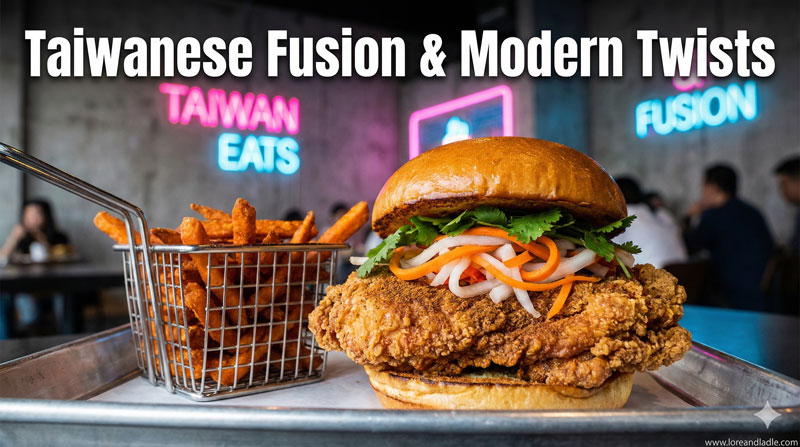
Best Taiwanese Fusion And Modern Twists Ideas to Brighten Up Your Weeknights is a dish that celebrates the heart of Taiwanese cooking—bold flavors, smart technique, and a spirit of sharing. It blends classic Taiwanese favorites with contemporary twists to create a dish that is inviting, balanced, and simple to prepare on busy evenings. This post focuses on the cultural value and culinary significance of the dish, highlighting why it matters in today’s home kitchens.
Cultural Value: Taiwan’s Food at the Center of Everyday Life
Taiwanese cuisine shines in the way it gathers people around a table. Street stalls, night markets, and family kitchens all contribute to a shared food culture that values warmth, efficiency, and joy. The dish you’re learning about echoes that everyday magic. It borrows the comforting familiarity of familiar Taiwanese flavors and reimagines them with practical, weeknight-friendly twists. By blending tradition with accessibility, this dish keeps cultural flavors alive while making them approachable for modern cooks. The result is a meal that feels both recognizable and fresh, a bridge between cherished recipes and new taste experiences.
In Taiwan, meals often celebrate the rhythm of daily life. A quick yet satisfying dish, like this fusion concept, fits naturally into weeknights when time matters but a thoughtful plate matters even more. The dish honors the idea that cooking can be a mindful ritual—an act of care that says, “I value comfort, flavor, and togetherness.” By honoring these values, the dish becomes more than food; it becomes a microcosm of Taiwan’s cheerful, practical approach to cooking and sharing.
Culinary Significance: Flavor, Balance, and Technique
Culinary significance lies in how the dish uses classic Taiwanese building blocks—soy, garlic, ginger, sesame, green onion, and a touch of five-spice—while weaving in modern textures and brighter finishes. The result is a harmony of sweet, savory, salty, and aromatic notes that reflect Taiwan’s coastal cooking culture and its love for multi-dimensional flavors. A smart glaze or sauce can carry the dish from pantry staples to a bright weeknight centerpiece without losing depth.
Texture is central. Crunch meets tenderness, and silky sauces meet crisp vegetables. This balance mirrors Taiwan’s street-food philosophy: food should be satisfying in multiple ways, from first bite to the lingering finish. The dish also emphasizes umami depth achieved through careful technique—braising to render meat succulent, then finishing with a quick wok toss or glaze to create a glossy, inviting surface. By honoring core flavor profiles while inviting spring freshness and citrus brightness, the dish demonstrates how traditional tastes can evolve without losing their essence.
Core Components: Building Blocks of the Dish
- Protein: A tender, well-seasoned main protein anchors the dish. Options include pork, chicken, or tofu for variety. The goal is to achieve a juicy interior with a flavorful exterior.
- Starch: A complimentary starch—steamed rice, fluffy fried rice, or a soft bao bun—helps carry the sauce and gives a comforting texture.
- Vegetables: Leafy greens or quick-pickled vegetables add color and crunch. They provide balance and help brighten the plate.
- Sauce and glaze: A soy-based glaze with garlic, ginger, a touch of sweetness, and a whisper of citrus creates a glossy finish. A final sesame oil drizzle elevates aroma and shine.
- Aromatics and finishing touches: Green onions, toasted sesame seeds, chili slices or a mild pepper for warmth, and a citrus zest or juice for brightness.
These components together form a flexible framework. You can swap proteins, adjust vegetables, or tailor the glaze to your pantry, all while preserving the dish’s cultural core and culinary purpose.
Modern Twists: Brighten Weeknights with Smart Adjustments
- Quick glaze finish: After braising or pan-searing, toss the protein with a small amount of your glaze and finish with a high-heat toss. This creates a gleaming surface and a punch of flavor in minutes.
- Citrus lift: A squeeze of lime or yuzu brings a crisp brightness that cuts through richness and keeps the dish fresh for weeknights.
- Texture contrast: Add a crunchy vegetable component, such as shredded cabbage or crisp cucumber, to introduce a satisfying bite.
- Herbaceous note: A handful of fresh cilantro or microgreens adds color and a gentle herbal lift without overpowering the core flavors.
- Plant-forward option: Use tofu or tempeh with a longer marination and a crisp finish to emphasize plant-based weeknight options while preserving depth.
These twists honor traditional Taiwanese flavors and techniques while making the dish quicker, lighter, and more versatile for Busy evenings. Each adjustment stays true to the spirit of Taiwanese cooking—flavorful, balanced, and enjoyable to share around a table.
Techniques: Simple Steps for Maximum Flavor
- Searing and braising: Start with a hot pan to develop color on the protein, then cover and braise in a soy-sugar marinade to deepen flavor and keep meat tender.
- Sauce development: Reduce the glaze to a syrup-like consistency so it clings to the meat and vegetables without making the dish heavy.
- Freshness at the finish: Finish with a light drizzle of sesame oil and a scattering of fresh aromatics just before serving to preserve brightness.
- Texture layering: Add crisp vegetables or a quick pickle to contrast the tender main component and the glossy sauce, enhancing overall satisfaction.
These techniques are approachable and repeatable, helping home cooks achieve restaurant-like depth with everyday ingredients.
Plating, Presentation, and Seasonal Pairings
Present the dish with a clean, bright plate. Place the starch as a base, add the protein, and arrange vegetables to frame the main component. A final drizzle of glaze and a sprinkle of sesame seeds tie the plate together. Color contrast—green vegetables, golden-brown protein, and a glossy sauce—creates an inviting visual appeal.
Seasonal pairings naturally enhance the dish. In spring, pair with crisp pickled radish and fresh herbs. In autumn, add roasted mushrooms for earthiness. In summer, a light citrus-air glaze complements hot evenings. These variations let you keep the dish exciting throughout the year while preserving its cultural and culinary essence.
Accessibility and Welcome: A Dish for Every Kitchen
This Taiwanese fusion concept is designed to be approachable. With flexible ingredients and simple techniques, it invites cooks at all levels to explore a fusion of tradition and modernity. The focus remains on respectful, tasty outcomes that honor flavor while accommodating busy schedules. By emphasizing core Taiwanese flavor notes and thoughtful execution, the dish becomes a welcoming starting point for home chefs to craft weeknight meals that feel celebratory, without being complicated.
Conclusion: A Dish that Honors Flavor and Culture
Best Taiwanese Fusion And Modern Twists Ideas to Brighten Up Your Weeknights is more than a recipe. It is a thoughtful reflection of Taiwan’s rich culinary language—its textures, aromas, and balance—reimagined for contemporary home cooking. By embracing tradition with practical twists, the dish reinforces the beauty of Taiwanese flavors and their ability to adapt to everyday life. It invites cooks to celebrate their weeknights with meals that feel festive, flavorful, and deeply satisfying.