
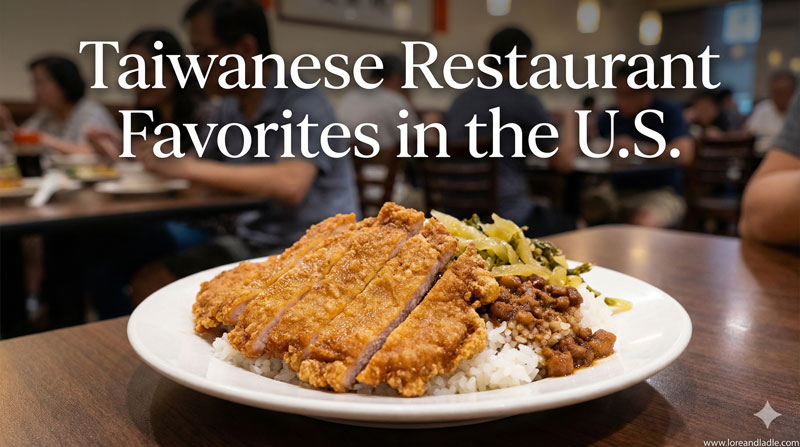
Introduction
This post introduces the dish “Best Taiwanese Restaurant Favorites Ideas That Bring Taiwan’s Flavors to Your Kitchen.” It celebrates cultural value and culinary significance. The goal is to show how Taiwan’s tastes travel from bustling streets to the home kitchen. You will learn why these flavors resonate, and how they invite thoughtful cooking and sharing.
Cultural Roots of Taiwan’s Flavor Palette
Taiwanese food blends coast, hills, farms, and markets. Fresh seafood, earthy mushrooms, and bright citrus all play key roles. Local techniques layer flavors with care, turning simple ingredients into comforting dishes. Night markets capture the spirit of community, where food becomes a social ritual. The dish we explore respects this living tradition, honoring stories told through aroma, texture, and balance. Each bite reflects memory, season, and place, making Taiwanese cuisine feel both intimate and universal.
The Craft Behind Each Dish
The heart of Taiwanese cooking lies in technique and patience. A quick stir-fry, a slow braise, or a steady simmer creates depth. Wok heat adds a crisp edge to vegetables and meat, while careful braising tenderizes pork and beef with soy, aromatics, and a touch of sweetness. Fresh herbs and garlic wake flavors without overpowering them. The result is bright yet comforting, with familiar comfort foods that invite repeat tasting. In this collection, technique is a bridge from restaurant kitchens to home kitchens, preserving quality and heart in every dish.
Signature Flavors Found in Best Taiwanese Restaurant Favorites
Three flavors anchor many dishes: savory umami, gentle sweetness, and uplifting brightness. Soy braising and five-spice notes create warmth in meats. Oyster sauce, dried shrimp, and mushrooms deepen the savory layer. Garlic, ginger, and scallions add fresh lift. A squeeze of citrus or a splash of rice wine mingles with chili to finish dishes with lively balance. This flavor map helps Home Cooks reproduce the spirit of Taiwanese favorites while keeping meals approachable. The dish emphasizes harmony, not heaviness, so each plate feels generous but light on the palate.
Bringing Taiwan Home: Techniques and Tips
To bring Taiwan’s flavors to your kitchen, start with a reliable stock base: simmer bones, aromatics, and soy for a rich background. Use a wok when you can; it delivers quick, even heat and a crisp texture. For braises, plan time and patience; gentle simmering yields tender meat and infused sauce. Balance is the key: salty, sweet, sour, and a hint of bitterness should co-exist. Fresh herbs and seasonal vegetables brighten the dish at the end. If you cannot find a traditional ingredient, choose a good substitute rather than skipping flavor. Finally, plate with care. A colorful, steaming bowl or a neatly arranged platter invites shared enjoyment.
The Social Value of Taiwanese Food
Food in Taiwan is a social act. Meals are moments for conversation, gratitude, and mutual delight. Preparing favorite dishes at Home honors family routines and local markets. The same flavors connect generations as cooks pass down tips and tweaks. Sharing a meal built from these ideas creates warmth, curiosity, and appreciation for craft. The dish “Best Taiwanese Restaurant Favorites Ideas That Bring Taiwan’s Flavors to Your Kitchen” embodies this spirit by turning restaurant-inspired ideas into home-friendly practice that supports togetherness and respect for tradition.
Creating Taiwan-Inspired Meals in Your Kitchen
Start with a small set of core dishes from the collection. Choose a braised meat dish, a noodle-based plate, and a vegetable-forward option. Use a consistent cooking rhythm: prep, cook, taste, adjust, and present. Pair meals with simple teas or light desserts to echo Taiwanese hospitality. Leave room for personal touches; small changes can reflect your kitchen’s season and your family’s tastes. This approach keeps the cultural value intact while inviting creativity.
Conclusion
The dish “Best Taiwanese Restaurant Favorites Ideas That Bring Taiwan’s Flavors to Your Kitchen” offers more than tasty meals. It invites you into a culture of balance, craft, and communal joy. By embracing its culinary significance, you honor Taiwan’s food heritage and make it accessible for everyday cooking. Enjoy the process, celebrate the flavors, and share the experience with those you love.