
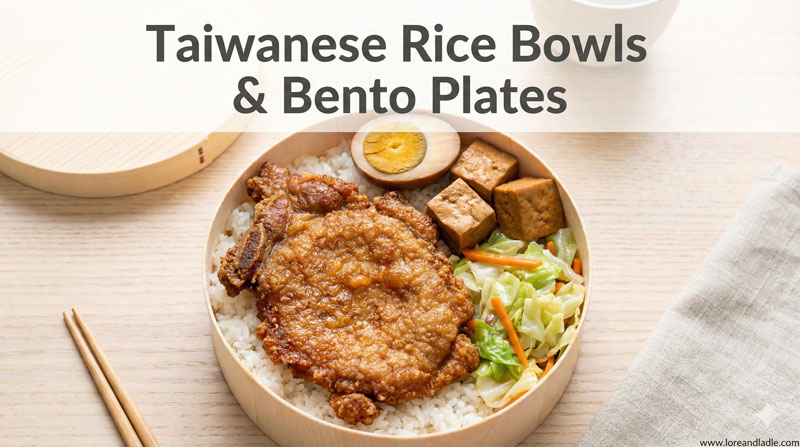
In this post, we explore Best Taiwanese Rice Bowls And Bento Plates Ideas Perfect for Busy Weeknights, with a careful look at cultural value and culinary significance. These bowls and plates reflect everyday life, attention to balance, and the joy of returning home to a comforting meal.
Cultural Value of Taiwanese Rice Bowls
Rice is the heart of many meals in Taiwan. It is more than sustenance; it is a canvas for family rituals, shared flavors, and daily care. A bowl of rice grounds a meal, and the toppings or sauces nearby tell a story of season, locality, and craft. In busy weeks, a well-made bowl becomes a small ceremony of nourishment. Bento plates, known locally as biandang, turn a simple lunch into a moment of mindful eating. Each component is chosen to complement the others, mirroring a balance often sought in Taiwan’s home kitchens. This harmony—protein, vegetables, and rice—embodies a philosophy of nourishment that is practical, generous, and serene.
Culinary Significance: Techniques That Shape Flavor
The dishes highlighted here shine due to a few core techniques. Slow braising in soy and aromatics creates depth, a hallmark of Taiwanese Home Cooking. A quick stir or flash sauté preserves bright textures and color, inviting a fresh bite with each mouthful. Fresh ginger, garlic, scallions, and sesame oil add warmth and aroma, while pickled vegetables offer a crisp contrast. The result is a palette that feels both comforting and bright, appropriate for Weeknights when flavors must be both soothing and satisfying. The rice itself acts as a neutral, allowing sauces to unfold slowly and sauces to cling just right. This relationship between grain and glaze is at the center of Taiwan’s beloved bowls and bentos.
Iconic Bowls and Their Cultural Echo
- Lu Rou Fan (Braised Pork Rice) — This bowl is a quiet celebration of patience. Pork braised in soy, sugar, and spices becomes tender and glossy, resting on white rice. The aroma carries memories of home and the midday markets where families shared warm meals. It is a testament to how simple pantry staples can become a festival of flavor through slow, attentive cooking.
- Sanbeiji (Three-Cup Chicken) — A dish brewed in a copper-like balance of sesame oil, soy, and rice wine. The technique invites a gentle simmer, which yields meat that remains succulent and deeply flavored. The result is a dish that travels well in a lunchbox and still tastes like a warm welcome when reheated.
- Tofu and Mushroom Bowls — In Taiwan, plant-forward bowls shine alongside meat-based ones. Braised tofu or mushrooms take on a savory glaze and mingle with crunchy vegetables. This approach honors seasonality and texture, offering a comforting option for those who seek lighter flavors without losing depth.
- Ginger-Scallion Beef Rice Bowl — A brisk counterpoint to richer braises, this bowl highlights the punch of ginger and scallion. The combination feels bright, clean, and uplifting, making it a frequent choice for dinners that feel both quick and meaningful.
These bowls show how culture can be expressed in layers of flavor, texture, and color. They celebrate umami, balance, and the joy of finishing a busy day with something both restorative and true to place.
Bento Plates and the Everyday Lunch
The biandang tradition in Taiwan is more than a meal; it is a daily ritual of care. A well-composed bento plate segments protein, vegetables, and a small treat, all arranged with intention. This layout teaches balance and portion awareness, values that resonate in fast-paced modern life. In busy weeks, a properly assembled bento becomes a reliable companion—portable, economical, and delicious. The practice also invites creativity. Home Cooks learn to pair salty and sweet notes, to include tangy pickles for brightness, and to choose colorful vegetables for visual appeal. The result is meals that feel thoughtfully prepared, even when time is tight.
How These Dishes Speak to Modern Busy Weeknights
These rice bowls and bento plates bridge tradition and efficiency. They honor heritage by preserving familiar flavor profiles while adapting to contemporary routines. They offer practical pathways for weeknights: use ready rice or a quick-cook option, batch braises that reheat well, and keep a few pickled or fresh vegetables on hand for texture and color. Yet even as they fit a modern pace, they retain a cultural sensibility—the idea that meals are moments of connection, not just calories. This balance makes Taiwanese bowls especially appealing to today’s home cooks who value both speed and depth.
Flavor Profiles and Garnishes That Elevate the Experience
Texture and aroma play central roles. A gentle drizzle of sesame oil or a scatter of roasted sesame seeds can lift a dish with a nutty aroma. Pickled vegetables add a crisp, bright counterpoint to tender meat or tofu. Fresh scallions, cilantro, or sliced chili offer color and vibrancy. The combination of salty, sweet, and sour notes creates a familiar, comforting finish that many households recognize as a sign of good cooking. Garnishes are not merely decoration; they complete the narrative of the dish and invite a second helping with pleasure.
Building a Taiwanese Rice Bowl At Home: A Simple Framework
- Base: Choose rice as your foundation. White long-grain rice is common, but brown rice or a mixed grain can add nutrition and texture.
- Protein: Select pork, chicken, tofu, or mushrooms. The protein sets the mood for the glaze or braise.
- Vegetables: Include a green element for color and freshness, plus a pickled component for tang.
- Sauce: A soy-based glaze or a light, aromatic sauce binds the bowl. Balance is key, so avoid overpowering sweetness.
- Garnish: Finish with sesame, scallions, or a crisp vegetable topping to add texture and fragrance.
This framework echoes a cultural preference for balance and care: even on a hurried weeknight, the meal is prepared with attention to harmony and detail.
Final Thoughts
Best Taiwanese Rice Bowls And Bento Plates Ideas Perfect for Busy Weeknights celebrate more than taste. They honor a culture of balance, care, and everyday artistry. They remind us that a quick meal can be meaningful when it reflects place, memory, and tradition. Whether you’re creating a Lu Rou Fan-inspired bowl or a crisp ginger-scallion beef plate, you are participating in a living food culture that values nourishment, connection, and joy. In every bite, the beauty of Taiwanese cooking shines through—simple ingredients, respectful technique, and a comforting sense of home.