
Introduction
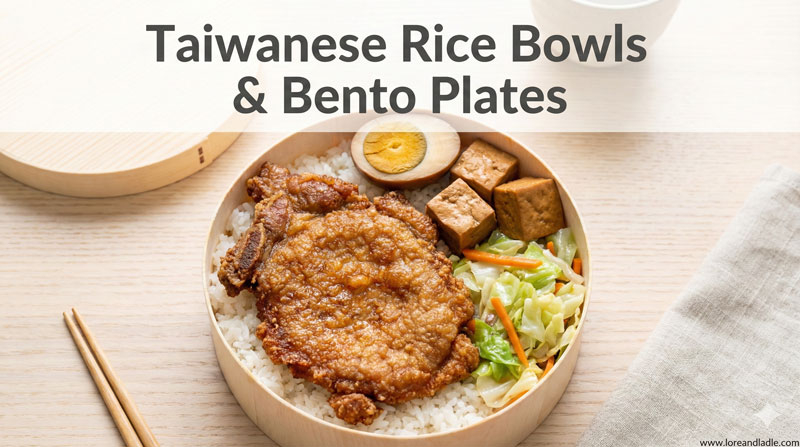
Best Taiwanese Rice Bowls And Bento Plates Recipes to Try in the U.S. offers a vivid window into a kitchen tradition that values balance, color, and comforting flavors. These bowls and plates are more than meals; they are everyday art. They invite care, seasonality, and shared enjoyment. In the U.S., diners discover how a simple combination of rice, protein, greens, and a bright pickle can become a memorable dining moment.
The Heart of Taiwanese Rice Bowls and Bento Plates
Taiwanese rice bowls and bento plates center on harmony. A well-made bowl blends textures—soft rice, tender meat, crisp vegetables—and tastes—from savory to tangy to a touch of sweetness. The bento approach, or biandang, emphasizes compact elegance: a complete meal neatly arranged in a single box. This arrangement makes every bite deliberate and satisfying. The beauty lies in its balance: warmth from steam, brightness from pickles, and depth from soy-based sauces. In practice, these bowls celebrate daily nourishment done with care.
Core Flavors and Ingredients
- Fragrant steamed rice forms the comforting base.
- Proteins range from braised pork to soy-marinated chicken or simmered beef, each with a glossy glaze.
- Vegetables provide freshness and crunch: blanched greens, lightly pickled cucumbers, or sautéed greens with garlic.
- Eggs appear as soy-marinated or softly boiled, adding richness.
- Condiments bring depth: soy, sesame oil, a hint of chili, and garlic.
- Garnishes like sesame seeds and scallions finish the plate with color and aroma.
- Options abound, including vegetarian and sea-salt-bright variations, so cooks can honor seasonal produce and personal preferences.
These bowls invite personal expression. Chefs mix regional flavors with everyday pantry staples, producing layers of taste that feel both familiar and new. The result is a dining experience that respects tradition while inviting inventive twists.
The Craft Behind the Bowls
The craft rests on three ideas: technique, balance, and presentation.
- Technique: Gentle braising and simmering build depth in proteins. Steaming preserves the vigor of vegetables. Quick pickles offer brightness without overpowering other elements.
- Balance: A successful bowl balances warm and cool, soft and crisp, salty and tangy. The goal is a cohesive plate where no single element overwhelms another.
- Presentation: The arrangement matters. A neat, colorful layout invites curiosity and appetite. A drizzle of sauce or a light sprinkle of sesame seeds can tie the components together visually and musically in flavor.
The artistry here is approachable. With simple kitchen tools and common ingredients, cooks can craft bowls that feel thoughtful and complete.
In the U.S. Dining Scene
Across restaurants, markets, and homes, Taiwanese rice bowls and bento plates resonate for their clarity and comfort. In eateries, the bowls showcase careful portioning and bright toppings, echoing the self-contained appeal of lunch boxes. In homes, families adopt these ideas to create nourishing meals that travel well, rehearse beautifully, and echo shared memories of meals around the table. The cultural value shines through in every plate: an invitation to slow down, savor balance, and celebrate seasonal ingredients.
A Simple, Respectful At-Home Approach
Try these guiding steps to begin exploring these bowls at Home:
- Start with steamed rice as your foundation.
- Choose one protein option, such as braised pork or a gentle chicken preparation.
- Add two vegetables that offer color and texture—one cooked, one crisp or pickled.
- Include a small, tasty egg or plant-based protein to round out the plate.
- Finish with a bright pickled element and a drizzle of a savory sauce.
- Aim for a neat, balanced presentation that pleases the eye as well as the palate.
These bowls thrive on balance and care. Even small changes—switching greens, adjusting the pickle, or varying the sauce—enrich the dish without losing its essence.
Conclusion
Best Taiwanese Rice Bowls And Bento Plates Recipes to Try in the U.S. celebrate a culinary tradition built on balance, community, and everyday joy. The bowls teach us how simple ingredients can become elegant, comforting meals when arranged with care and respect for flavor harmony. They invite cooks to explore seasonal produce, savor thoughtful textures, and share a meal that feels both intimate and inviting. In embracing this style, we invite a timeless portrait of Taiwanese cooking into the American dining landscape—one box, one bite at a time.