
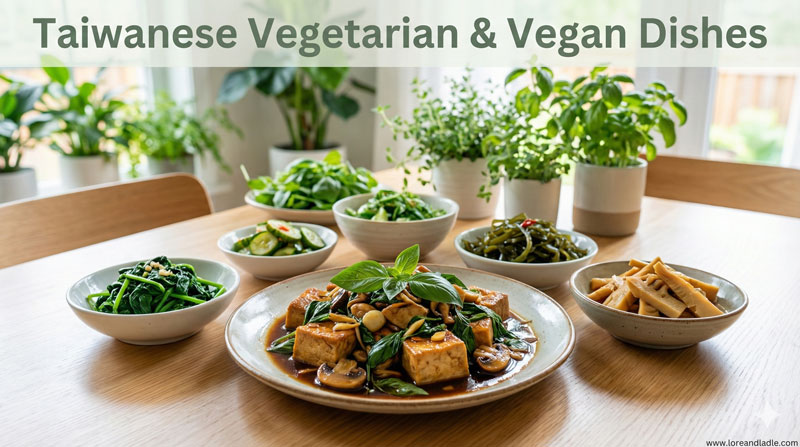
Discovering the Dish: Best Taiwanese Vegetarian And Vegan Recipes Recipes That Bring Taiwan’s Flavors to Your Kitchen
The dish title itself invites curious cooks: Best Taiwanese Vegetarian And Vegan Recipes Recipes That Bring Taiwan’s Flavors to Your Kitchen. It promises a journey into the heart of Taiwan’s plant-based cooking. This collection showcases how vegetarian and vegan recipes can carry the warmth, color, and spirit of Taiwan. It highlights everyday meals and temple-inspired fare, all rooted in fresh ingredients, careful technique, and shared nourishment. The result is a bridge between Home Cooks and Taiwan’s celebrated flavors.
The Cultural Value of Taiwan’s Vegetarian Traditions
Taiwanese vegetarian cooking holds a rich place in daily life and special occasions alike. It reflects a respect for ingredients and a desire to savor nature’s harvest across the seasons. Families gather around the table to share simple greens, silky tofu, and fragrant braises, turning meals into moments of connection. The cuisine also reflects a long-standing appreciation for balance and harmony—bright vegetables, comforting soy flavors, and textures that feel both satisfying and light. Through this dish, readers glimpse how vegetarian food can carry tradition forward while remaining vibrant and relevant in modern kitchens.
Culinary Significance: Flavors, Techniques, and Textures
At the heart of Taiwanese vegetarian cooking is a deft use of aroma, texture, and umami. The recipes in this collection celebrate:
- Soy and mushroom synergy: soy sauces, miso-like pastes, and dried mushrooms create depth without meat.
- Fresh vegetables with powerful accents: greens, bamboo shoots, taro, lotus root, and peppers provide crunch, sweetness, and contrast.
- Tofu and plant proteins as canvases: tofu, bean curd sheets, and other plant-based ingredients absorb flavors and offer creamy or chewy textures.
- Layered seasoning: ginger, garlic, scallions, tsao-ko (five-spice-like blends), and toasted sesame lift dishes with bright, lingering notes.
- Umami from sustainable sources: fermented products, seaweed, and dried mushrooms give savory depth that satisfies even non-vegetarian palates.
This approach yields dishes that feel rooted in Taiwan’s kitchens yet inviting to cooks everywhere. The recipes prove that vegetarian and vegan cooking can be deeply satisfying, elegantly simple, and expressive of place.
Techniques that Define Taiwanese Plant-Based Cooking
The techniques you’ll find in these recipes emphasize clarity and precision:
- Stir-frying with wok hei: high heat, quick motions, and a touch of caramelization add character to vegetables and tofu.
- Braising in soy-based liquids: slow, gentle simmering builds deep flavor while keeping ingredients tender.
- Stocking with mushroom and seaweed: a small pot of flavorful stock can enrich many dishes and unify textures.
- Fresh finishing: a drizzle of sesame oil, a scattering of chives, or a squeeze of citrus brightens the plate just before serving.
- Textural contrasts: crisp-tried greens, soft tofu, and chewy mushrooms create a satisfying mouthfeel across courses.
These methods honor tradition while enabling home cooks to craft memorable meals with confidence.
Temple-Inspired Roots and Home Kitchen Harmony
Temple cuisine plays a meaningful role in Taiwanese vegetarian cooking. Simple, carefully prepared vegetarian dishes often appear in temple settings, where focus rests on natural flavors and mindful preparation. This influence teaches balance, patience, and respect for ingredients. Yet the same techniques and flavors travel easily to Family Dinners and weeknight meals. The dish demonstrates how temple-inspired cooking and everyday home cooking can share a common language—one that centers plant-based ingredients, aroma, and warmth.
Bringing Taiwan’s Flavors to Your Kitchen
So how does this dish translate to your kitchen? Start by embracing a few core ideas:
- Pick seasonal produce: leafy greens, mushrooms, and root vegetables are ideal, providing color and texture.
- Build a flexible pantry: soy sauce, toasted sesame oil, garlic, ginger, and a mushroom-based stock form a reliable base.
- Celebrate texture: combine silky tofu with crunchy vegetables to keep every bite interesting.
- Respect simplicity: let each ingredient shine; balance is achieved through thoughtful seasoning rather than complexity.
This approach makes the experience welcoming for beginners and satisfying for seasoned cooks who want to honor Taiwan’s vegetarian and vegan traditions.
Practical Serving Ideas and Pairings
To showcase the dish’s flavors, consider these serving ideas:
- A bright bowl of mixed greens with sesame-ginger tofu, tossed in a light soy glaze.
- A fragrant mushroom and bamboo shoot braise served over steaming rice or barley.
- A colorful platter of stir-fried vegetables, topped with crispy garlic, scallions, and a hint of chili oil.
- A comforting soup built on a mushroom stock, with tofu cubes and seasonal greens.
Pair with a simple cucumber salad or pickled vegetables for tang and contrast. For beverages, brewed green tea or a light barley tea complements the clean, plant-forward flavors without overpowering them.
A Respectful, Inviting Kitchen Approach
This dish invites curiosity, experimentation, and mindfulness. It’s a reminder that vegetarian and vegan cooking can be both beautiful and approachable. By honoring Taiwan’s culinary language—its ingredients, techniques, and seasonal rhythms—you can create meals that feel intimate and generous. The result is not just food; it’s a respectful celebration of Taiwan’s flavors in your own kitchen.
Final Thoughts: Embracing the Flavorful Landscape
Best Taiwanese Vegetarian And Vegan Recipes Recipes That Bring Taiwan’s Flavors to Your Kitchen offers more than recipes. It offers a doorway into a cuisine where plant-based ingredients come alive through technique, balance, and care. By exploring these dishes, you invite the beauty of Taiwan’s food culture to your table—one vibrant bite at a time. Whether you’re cooking for Family, friends, or solo evenings, this collection provides a thoughtful path to savoring Taiwan’s plant-based flavors with warmth, clarity, and joy.