
Introduction
“Best Recipes for Tandoor Bread – Uzbekistani Grilled & BBQ Favorites Flavor You’ll Love” invites readers to savor more than a loaf. This bread holds a special place in Uzbek food culture, standing beside grilled meats and rich plovs as a welcome at the table. It embodies warmth, craft, and daily life. In this post, we celebrate its cultural value and culinary significance. You will see how the bread shapes gatherings, flavors, and hospitality in Uzbek kitchens and street grills. The tone stays respectful and inviting, and the focus stays on food, craft, and shared moments.
The Cultural Core of Tandoor Bread
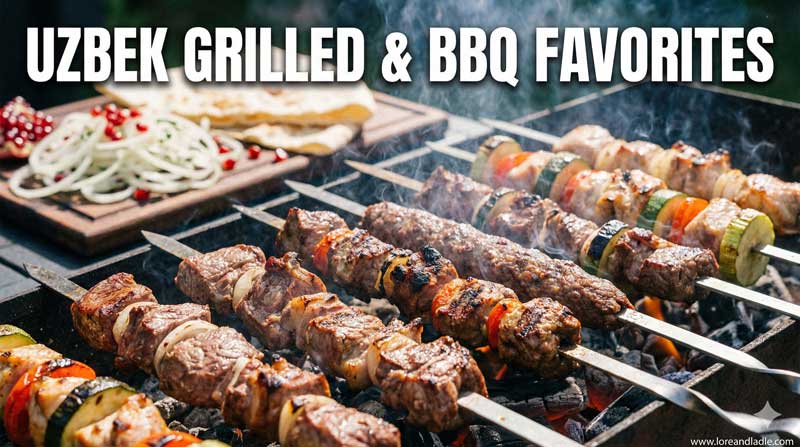
In Uzbekistan, a clay oven called a tandoor is a neighborhood and home feature. The bread baked there carries aroma, texture, and shape that echo regional identity. Sharing hot bread signals generosity and care. The bread often accompanies kebabs, grilled vegetables, and hearty plovs. It acts as a canvas for dipping sauces, herb oils, and fragrant butters. Its presence signals a meal prepared with attention and a desire to connect. The practice links families and friends through a simple, beloved ritual.
Craft and Technique
The process is a blend of simple ingredients and patient hands. Dough typically uses flour, water, salt, and a touch of yeast. After kneading, the dough rests, develops softness, and gains a subtle elasticity. It is shaped into rounds and slapped onto the hot inner wall of the tandoor. The high heat creates blistered spots and a crisp, blistered crust while the interior stays tender. Each loaf carries marks of the oven and the baker’s rhythm, a quiet choreography that is easy to admire and learn.
Flavor and Texture
Tandoor bread offers a balanced harmony of crust and crumb. The exterior browns to a golden hue, with light charring lending smoky notes. The interior remains soft, airy, and slightly chewy. The aroma blends grain sweetness with hints of smoke and nutty depth. Some bakers add sesame seeds, nigella seeds, or minced garlic to the dough for subtle brightness. The result is an inviting bite that complements grilled flavors without overpowering them.
Social Table and Traditions
Food rituals in Uzbekistan often center on shared bread. Families pass a warm loaf to a guest with a smile, inviting conversation and seconds. The bread accompanies skewered meats, roasted peppers, and plov, reinforcing the sense of hospitality at every meal. The practice transcends sustenance; it marks care, welcome, and community. In markets and homes alike, the bread becomes a humble ambassador for local grain, fire, and technique.
Best Recipes Spotlight
Even with a traditional base, there is room for creative expression. The dish’s name signals a collection of approaches that honor the tandoor while offering variety. Try brushing warm bread with garlic butter or herb oil for a fragrant finish. Lightly toasting with sesame seeds adds a gentle crunch. Serve alongside grilled kebabs to highlight the crisp crust and soft interior. Each version deepens the sense of place and shared flavor at the table.
Preservation of Craft and Modern Moments
Today’s cooks honor the old method while embracing practical kitchen adaptations. The essence remains intact: high heat, swift baking, and a bread that welcomes friends. Bakers preserve techniques, teach apprentices, and celebrate seasonal grains. This continuity supports regional pride and culinary literacy. The bread thus stands as a bridge between daily meals and festive gatherings, a steady thread in Uzbek food culture.