
Introduction: A dish that speaks to flavor and culture
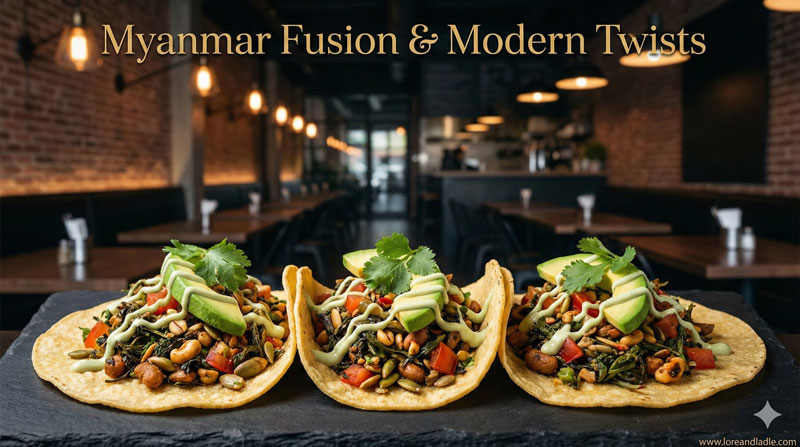
Better-Than-Takeout Myanmar Fusion & Modern Twists You’ll Want Again is more than a meal. It’s a celebration of Burmese flavors meeting contemporary technique in a single, inviting plate. The dish honors everyday meals and Weekend Gatherings alike. It offers comfort, surprise, and a sense of place. We savor the balance of bright herbs, warm spices, and satisfying textures. In every bite, you can feel the care that goes into crafting a dish that feels both familiar and fresh. This is culinary storytelling you can taste, ready to be shared with friends and family.
The cultural value at the heart of the dish
Myanmar cuisine thrives on balance and harmony. This fusion dish captures that spirit by weaving traditional taste profiles with modern twists. It foregrounds fresh ingredients, seasonal produce, and a respect for craft. The result is a plate that invites conversation about food culture—how everyday cooking evolves while staying rooted in core flavors. By combining techniques from different cooking styles with Burmese-inspired seasoning, the dish becomes a bridge between timeless routines and new possibilities. It stands as a testament to how food reflects care, hospitality, and a communal table.
Key flavors and ingredients that define its identity
At the core, the dish celebrates a bright, savory-sweet profile. Expect herbs like cilantro and basil, citrusy notes from lime, and a gentle warmth from turmeric and garlic. Subtle sourness may come from tamarind or a light pickling element, which brightens the composition. A satisfying textural contrast appears through crisp vegetables, soft noodles or grains, and a touch of crunch from toasted nuts or seeds. The “fusion” element emerges when Burmese staples mingle with familiar global ingredients—resulting in a flavor landscape that is both recognizable and pleasantly novel. The blend is deliberate, aiming for a clean, harmonious finish.
Techniques that honor tradition while embracing modernity
This dish uses techniques that feel both traditional and contemporary. Stir-frying or quick sauté methods deliver color, aroma, and a glossy finish. Freshly chopped herbs are folded in toward the end to preserve brightness. A gentle simmering step can mellow intense flavors and create depth without heaviness. Textural layering matters: soft noodles, tender proteins, crisp vegetables, and a final sprinkle of seeds or herbs for a lively bite. The goal is to evoke traditional Burmese cooking principles—balance, clarity, and nourishment—while allowing modern methods to sharpen precision and speed.
The joy of sharing: presenting food as culture
Food is best when it brings people together. This dish lends itself to a shared table, where friends or family assemble bowls and ladle sauces for everyone to scoop up. Presenting a colorful array of toppings invites participation and choice, a small ritual that honors generosity. Family-style serving encourages conversation about which flavors shine for each guest. The dish’s portability makes it suitable for weeknight dinners or casual gatherings. In essence, it honors the social aspect of eating, where nourishment and connection grow side by side.
How to experience the dish at home: practical guidance
To recreate the magic, start with fresh, high-quality ingredients and clear aromatics. Cook components separately for better control of textures, then combine toward the end to preserve brightness. Use a hot pan to achieve a quick sear and a fragrant finish. Balance is key: adjust salt, citrus, and chili to your taste. Finish with a fresh herb shower and a light drizzle of fragrant oil or lime juice. This approach keeps the dish approachable and adaptable for different kitchens, while preserving the essence of Burmese flavor and the excitement of modern twists.
A respectful, inviting conclusion: why this dish matters
Better-Than-Takeout Myanmar Fusion & Modern Twists You’ll Want Again invites cooks and eaters to appreciate the beauty of Burmese-inspired cooking expressed with contemporary clarity. It honors everyday meals and celebrates culinary curiosity. The dish stands as a bright example of how culture can be explored through flavor, texture, and technique. It invites you to explore, taste, and share—a reminder that good food nourishes not just the body, but the sense of belonging at the table.