
Introduction
How to Make Brown Rice Nasi Goreng Just Like a Malaysian Restaurant invites you to discover a dish that feels like a warm welcome. This fried rice carries a bright, comforting heart and a thoughtful balance of aromas. It is a celebration of sound technique, fresh ingredients, and the everyday joy of sharing a meal. The dish stands as a bridge between home kitchens and bustling restaurant counters, showing how flavor, texture, and color can tell a story about a place.
The Cultural Thread of Nasi Goreng
Nasi goreng is more than a recipe; it is a daily ritual in many Malaysian kitchens. It speaks to versatility, turning leftover grains into a satisfying new dish. Vendors craft versions that reflect local tastes, nearby markets, and seasonal produce. The result is a plate that feels familiar yet exciting, with a gentle nod to tradition and a spark of personal touch. In homes and eateries alike, nasi goreng is where breakfast meets supper, where friends gather, and where the aroma of fried shallots and garlic creates a warm, inviting mood.
Brown Rice, Modern Texture, Timeless Flavor
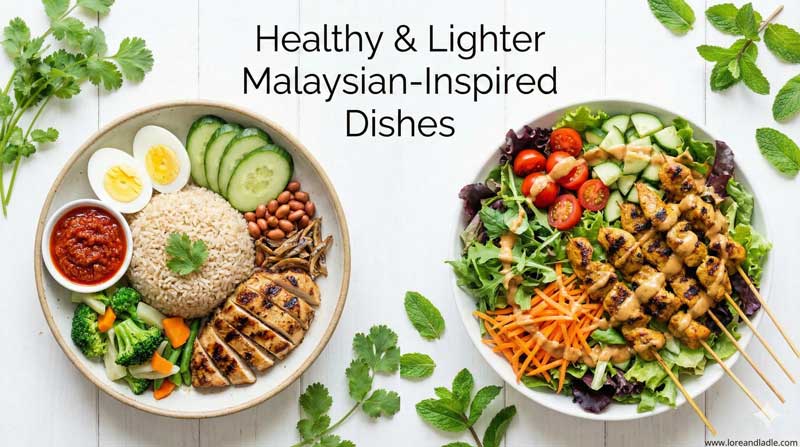
Using brown rice adds a contemporary texture while honoring the dish’s essence. The chew of brown kernels brings depth to every bite, and the nutty aroma blends beautifully with the pan-seared flavors. This adaptation shows how a classic dish can evolve with a healthier grain, without losing its soul. The key is keeping the grains separated and letting them absorb the savory glaze just enough to cling to each piece. In this way, brown rice becomes a respectful nod to today’s healthy dining culture while preserving the restaurant-like clarity of flavor.
The Kitchen Craft: Wok Hei and Harmony of Flavors
The magic sits in technique. A hot wok, a quick, precise toss, and a careful balance of aromatics create the signature fragrance known as wok hei. Aromatics like garlic, shallots, and chilies awaken the pan, while a touch of sweet soy or kecap manis adds mellow sweetness. Protein such as chicken or shrimp provides texture, and a well-cooked egg adds a silky layer. Finally, a squeeze of lime and a sprinkle of fried shallots lift the dish, echoing the freshness found in Malaysian kitchens. This craft showcases how skill, timing, and ingredient harmony can elevate simple rice into a memorable culinary moment.
Plate, Presentation, and Shared Moments
Presentation matters because color, scent, and texture invite people to slow down and savor. Yellow-gold rice, glossy grains, crisp vegetables, and a glossy fried egg on top create a pleasing, balanced plate. Side accompaniments like cucumber slices or a tangy pickle add brightness and contrast. When served in a bustling eatery or at a quiet family table, the dish becomes a centerpiece for conversation, smiles, and shared moments. In this way, nasi goreng becomes a cultural touchstone of hospitality and everyday joy.
How to Make It at Home
Here is a concise approach to capture the restaurant feel with brown rice.
1) Cook brown rice a day ahead if possible, then cool completely for best texture.
2) Heat a wok until it is very hot. Add a small splash of oil.
3) Sauté finely chopped shallots, garlic, and chilies until fragrant.
4) Push aromatics aside, scramble a beaten egg in the pan, then mix with aromatics.
5) Add diced chicken or shrimp and cook until just done.
6) Stir in the browned rice, then season with kecap manis and a splash of soy sauce. Adjust salt as needed.
7) Toss quickly to coat every grain, until the rice is glossy and well heated.
8) Finish with lime juice, fried shallots, and a fresh cucumber slice on the side. Serve with a crisp topping or crackers if you like.
This method honors traditional technique while embracing the fuller, nuttier texture of brown rice.
Final Thoughts
Brown Rice Nasi Goreng Just Like a Malaysian Restaurant invites readers to celebrate the beauty of everyday cooking. It speaks to careful balance, regional flavors, and the joy of sharing a plate that feels both familiar and special. This dish reminds us that culture can be tasted in every bite, in the careful choice of grain, the timing of the stir-fry, and the warmth that comes from a well-made plate shared with others.