
Introduction
Budget-Friendly Myanmar Noodle Favorites for Families in the U.S. invites readers to explore a warm, comforting side of Burmese cuisine. These noodle dishes are celebrated for their bright flavors, balancing herbs, aromatics, and satisfying textures. The focus here is cultural value and culinary significance. Each bowl tells a story of daily life, shared meals, and practical cooking that fits a busy family schedule. These dishes welcome cooks of all skill levels and invite you to experience a moment of Myanmar’s kitchen traditions in your own home.
The heart of Burmese noodle culture
Noodles anchor Burmese dining in a gentle rhythm of morning, noon, and night. Fans of the cuisine praise how a single pot can become a family ritual, with each person adding toppings to suit personal taste. Fresh herbs, tart lime, and a touch of heat awaken familiar ingredients like fish, chicken, or coconut milk. The beauty lies in balance: a savory broth, tender noodles, crisp garnishes, and a hint of sweetness or tang. These meals illustrate how Burmese cooks layer flavor with care, using everyday pantry items to create depth. Sharing a steaming bowl also invites conversation and connection, turning a simple weeknight into a small celebration of culture.
Mohinga: the beloved starter of the day
Mohinga is widely regarded as a national favorite for its comforting aroma and inviting texture. A fragrant fish broth forms the foundation, simmered with lemongrass, garlic, shallots, and a splash of fish sauce. Rice noodles swim in the broth, while crisp toppings like fried onions, chili, and fresh cilantro crown the bowl. The result is bright, deeply savory, and wonderfully adaptable. Mohinga is often enjoyed for breakfast or a hearty lunch, and its versatile nature makes it a natural choice for families in the U.S. seeking budget-friendly meals that feel special. When you add a squeeze of lime, the dish becomes even more luminous, inviting each family member to tailor the flavor.
Other budget-friendly Burmese noodle stars
In addition to mohinga, several noodle dishes shine with affordability and charm:
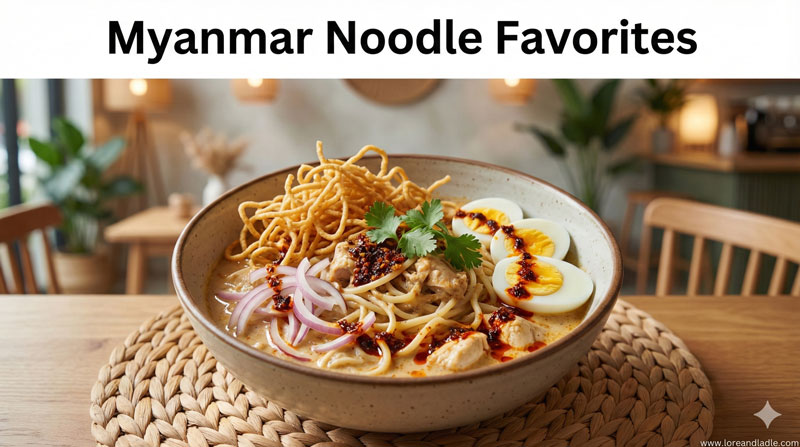
- Ohn No Khao Swè: This dish blends rice noodles with a coconut milk-based broth, shaped by chicken, peas, and a soft-boiled egg. It offers a creamy, comforting profile that pairs well with a squeeze of lime and chili flakes.
- Shan Noodle Soup: Known for its silky broth and slender rice noodles, this dish often features ground peanuts, garlic oil, and fresh herbs. It travels well to U.S. kitchens and can be made with affordable chicken or even a simple mushroom version.
- Nan Gyi Thoke (thick rice noodles with curry sauce): The dish layers sliced chicken, sesame seeds, and a tangy sauce over thick noodles. It presents a satisfying texture contrast and can be prepared in family-sized portions without strain.
Each option highlights balance, texture, and the joy of assembling a bowl with family members.
How these dishes fit a busy U.S. family schedule
These noodle bowls shine precisely because they adapt to modern life. They cook in one pot or a few steps, leaving room for other tasks. Simpler components—such as pre-cooked chicken, canned fish, or store-bought broths—keep costs down without sacrificing flavor. The toppings offer a chance for kids to participate, choosing lime, cilantro, fried onions, or chili to customize their own bowls. This approachable structure makes Burmese noodle meals reliable for Busy weeknights and enjoyable weekend cooking alike. The result is a family-friendly way to explore a different culinary tradition without overspending.
Substitutions and accessibility in the U.S.
Bringing Myanmar noodles into a U.S. kitchen is straightforward. Use readily available ingredients and adapt as needed:
- Noodles: Long-grain rice noodles or flat rice noodles work well. Dry or fresh options are both suitable.
- Broth base: A simple stock with garlic, shallots, and a touch of ginger can substitute for a traditional broth. Add a splash of fish sauce or soy for depth.
- Proteins: Chicken thighs or breast, white fish fillets, or even canned tuna can stand in for more traditional fish choices.
- Aromatics: Lemongrass, garlic, shallots, turmeric, coriander, and lime are common and easy to find. If lemongrass is unavailable, a small amount of zest and juice can brighten the dish.
- Toppings: Fried onions, chopped cilantro, lime wedges, ground peanuts, and crushed chili flakes make a big difference. These add texture and brightness.
These flexibilities help families enjoy Burmese flavors even when shopping is limited or time is short.
Pairings, garnishes, and serving ideas
A great Burmese noodle bowl invites customization and sharing. Consider:
- Fresh herbs: Cilantro, dill, or Thai basil add vibrant aroma.
- Texture contrast: A handful of fried garlic or shallots introduces a delightful crunch.
- Brightness: A squeeze of lime or a touch of tamarind paste lifts the broth.
- Heat and balance: A small bowl of chili oil or sliced fresh chili lets each person set their heat level.
- Sides: A simple cucumber and carrot salad adds a refreshing note.
Serving these bowls family-style encourages everyone to participate in seasoning and garnishing, turning a simple dinner into a communal experience.
A note on texture, balance, and aroma
The joy of Myanmar noodle dishes comes from texture and aroma. The silkiness of the broth, the chew of the noodles, and the crisp crackle of garnishes create a multi-sensory meal. Achieve balance by layering salty, sour, and subtle sweet notes. The aroma of toasted garlic, pepper, and fresh herbs draws everyone to the table. When a family shares a bowl, these sensory details foster memory-making and a sense of belonging.
Conclusion
Budget-Friendly Myanmar Noodle Favorites for Families in the U.S. celebrate culture through cooking that is accessible, warm, and deeply satisfying. These dishes offer a doorway into Burmese flavors that are easy to love and easy to Share. By focusing on broth, noodles, and thoughtful toppings, families can enjoy a meal that is both budget-conscious and culturally rich. Embrace these noodle bowls as daily nourishment and a bridge to new tastes, textures, and shared moments around the table.