
Welcome: Budget-Friendly Myanmar Restaurant Favorites in the U.S. for Families
in the United States, Myanmar flavors shine through inviting bowls, bright salads, and sizzling starters. The concept of Budget-Friendly Myanmar Restaurant Favorites speaks to families who want authentic taste without stretching the budget. This approach centers on warmth, shared meals, and the everyday beauty of Burmese cooking. Each dish invites you to explore a culture through aroma, texture, and color. The focus here is cultural value and culinary significance, not politics, and it celebrates how food connects people around a table.
The Heart of Burmese Flavors: Balance, Freshness, and Technique
Myanmar cuisine relies on balance. Sweet, salty, sour, and savory notes meet in harmony. Fresh herbs and aromatics like lemongrass, garlic, and shallots wake the palate. Fermented ingredients add depth, while bright lime or tamarind lift the dish. The most budget-friendly options emphasize smart combinations: a simple broth, a chewy noodle, a crisp topping. In every bite, you sense a long tradition of home kitchens and neighborhood eateries where recipes pass easily from one cook to another. This is not just eating; it is technique that rewards patience and careful timing.
Mohinga: The Comfort of a Burmese Noodle Soup
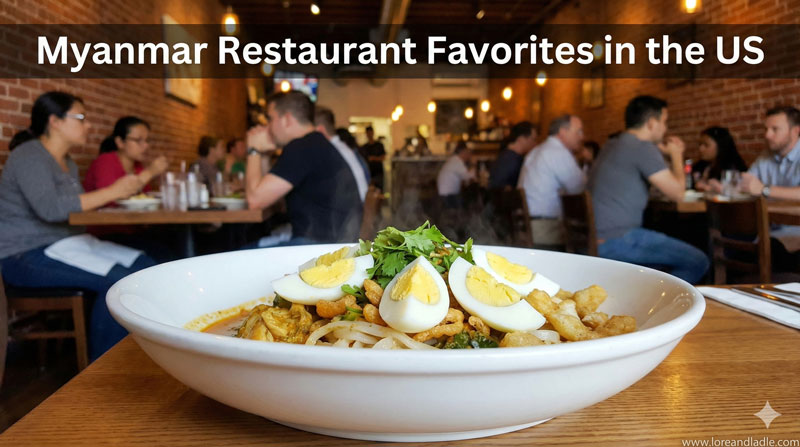
Mohinga is a beloved staple that anchors breakfast and everyday dining. A fragrant fish-based broth forms the soul of the dish. Rice noodles curl softly in the soup, inviting slurps and warm satisfaction. Aromatics like garlic, shallot, lemongrass, and a touch of ngapi—fermented fish paste—build a savory depth. The dish often features toppings such as crisp fried shallots, cilantro, and lime wedges. In the U.S., mohinga presents as a budget-friendly choice because it uses affordable fish, simple noodles, and flexible toppings. Families savor it as a shared bowl that invites conversation and a comforting ritual at the start of the day or a cozy dinner.
Ohn No Khao Swè: Coconut Milk Noodles with Gentle Richness
Ohn No Khao Swè is a silky noodle dish that harmonizes coconut milk, curry spices, and tender noodles. The sauce is creamy without heaviness, yielding a smooth, mellow taste. Chicken or seafood can be added, or the dish can stay purely vegetarian with mushrooms and vegetables. Fresh herbs brighten the bowl, while a squeeze of lime or a dash of chili heightens the flavor. The result is a meal that feels indulgent yet affordable, ideal for families who want a comforting, kid-friendly dish. In many Myanmar restaurants in the U.S., this dish appears on lunch menus and family platters, offering a gentle introduction to Burmese spice and aroma.
Laphet Thoke: Tea Leaf Salad—Texture, Fermentation, and Family Sharing
Laphet Thoke, or tea leaf salad, showcases texture in a vibrant, crunchy way. Pickled tea leaves mingle with toasted sesame, peanuts, garlic, and sometimes fried onions. The combination yields a lively bite with a balance of sour, salty, and nutty notes. The salads are often served in generous portions, making them well-suited to family sharing. They encourage conversation as everyone samples from a central plate, a practice that deepens appreciation for communal dining. The dish also highlights a cultural preference for fermentation and preserved flavors that keep well in warm climates and busy restaurant kitchens alike.
Balachaung: Spicy Crisp Garnish and Bold Umami
Balachaung is a lively condiment that defines Burmese flavor for many guests. This crispy, salty-sweet mix of fried shrimp paste, chili, and garlic delivers a punch of umami. It often accompanies soft eggs, rice noodles, or fried breads, adding a spicy crunch. In family meals, balachaung showcases how Burmese cooks layer flavors with small, concentrated additions. A little goes a long way, making it a budget-friendly way to elevate simple dishes. The aroma alone invites curiosity and a sense of discovery at the table.
Budget-Friendly Formats for U.S. Families
In many Myanmar-leaning restaurants in the U.S., budget-friendly options come in family-sized portions, lunch specials, or combination plates. Shared dishes encourage tasting a range of flavors without overwhelming any single palate. Be on the lookout for set menus that pair mohinga or ohn no khao swè with laphet thoke and balachaung as a complete tasting experience. These formats celebrate affordability and inclusivity, inviting families to explore Burmese cuisine together. They also provide an approachable doorway for kids to encounter new textures and flavors—until curiosity leads to curious favorites.
Texture, Color, and Aroma: A Sensory Tour
Burmese dishes appeal to the senses in distinct ways. The silky mouthfeel of coconut milk sauces contrasts with the crispness of fried toppings. Bright herbs and lime spark a refreshing finish. The vibrant colors—from golden noodles to deep-green herbs to ruby-red chilies—draw families to the table. Aromas rise in waves, welcoming diners with notes of lemongrass, garlic, and toasted seeds. This sensory richness makes budget-friendly meals feel special, like a celebration of everyday cooking.
Cooking Traditions Behind the Dishes
Myanmar home cooking emphasizes fresh ingredients, steady heat, and careful timing. Shops nearby the restaurant often stock fresh fish, rice noodles, and a variety of herbs daily, supporting authenticity at reasonable prices. Families often prepare poh pinyin and quick stir-fries that reflect seasonal produce. The shared nature of meals reinforces a sense of community and care. Even when dining out, these traditions translate into a meal that feels handmade, thoughtful, and rooted in everyday life.
Pairings and Practical Tips for Families
- Start with a light broth like mohinga to awaken the palate, then explore a milder ohn no khao swè.
- Balance bold dishes with fresh salads like laphet thoke to cleanse the palate.
- If spice is a concern, request milder versions or skip very hot toppings while still enjoying the core flavors.
- Look for family-sized plates or mixed platters to encourage tasting and conversation.
- Ask about vegetarian options; many dishes adapt well to plant-based feeds while preserving core Burmese flavors.
The Cultural Value of Shared Meals
Shared meals are central to the Burmese dining experience. They create space for conversation, laughter, and mutual appreciation. The act of passing dishes around the table reinforces a sense of belonging and care. Even simple soups, curries, and salads tell stories of tradition and craft. In the U.S., these meals become bridges between everyday life and a rich culinary heritage. The result is not only nourishment but also a quiet education in flavor and hospitality.
Embracing the Flavor: A Warm Invitation
Budget-Friendly Myanmar Restaurant Favorites in the U.S. offer more than convenience. They provide access to a culture’s culinary heart—an opportunity to discover how simple ingredients become memorable meals. The dishes invite families to explore together, savoring the balance of flavors and the joy of shared plates. By embracing these meals, you welcome Burmese culinary artistry into your home and your routine, celebrating beauty in every bite.
Conclusion: A Family-Friendly Doorway to Burmese Cuisine
In summary, budget-friendly options from Myanmar restaurants in the U.S. reveal a tapestry of flavors that honor balance, technique, and community. Mohinga, ohn no khao swè, laphet thoke, and balachaung each contribute a distinct taste profile and cultural memory. These dishes are accessible, nourishing, and ideal for family dining. They demonstrate how traditional cooking remains vibrant and relevant in contemporary American dining. Whether you are a long-time admirer or a curious newcomer, these favorites invite you to savor Burmese culinary artistry with warmth and respect.