
Introduction
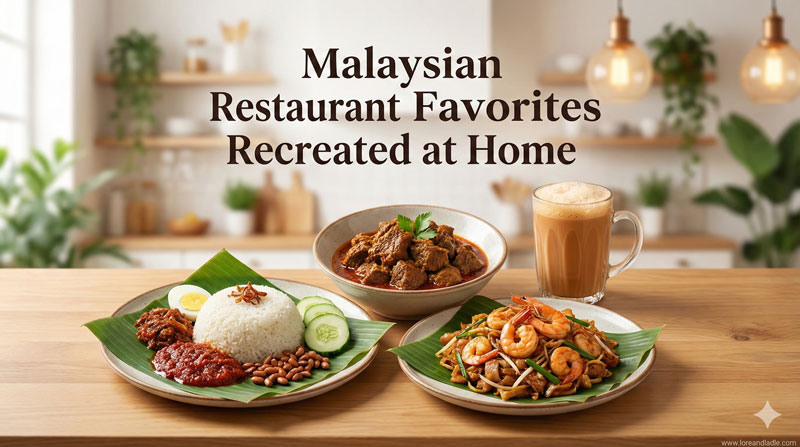
Better-Than-Takeout Takeout-Style Char Kway Teow in a Wok You Can Make in Your Own Kitchen is more than a recipe. It is a doorway to a vibrant food culture that celebrates speed, balance, and the joy of sharing a meal hot from the pan. This dish brings the drama of a busy street stall to a home stove, while honoring the careful craft that makes each bite sing with smoky aroma, silky noodles, and a hint of umami. In these pages, we explore its cultural value and culinary significance with warmth and respect.
What makes this Char Kway Teow special
Char Kway Teow thrives on contrast. First, the flat rice noodles soak up sauces and flavors without losing their chew. Next, the eggs add a mellow richness that blends with a quick, high-heat stir. Then, the kiss of smoke—wok hei—gives a perfume that tells a story of a hot, well-seasoned wok. Finally, a chorus of seasonings—soy, light and dark, plus a touch of fish sauce—creates depth without heaviness. This home-friendly version preserves that balance. It proves that you do not need a large setup to deliver a bright, authentic profile. The result is a dish that remains faithful to its fast, flavorful spirit, even when made on a home stove.
The cultural value of Char Kway Teow
Char Kway Teow is more than a dish; it is a ritual of preparation, timing, and shared enjoyment. It teaches respect for technique: the order of ingredients, the way heat is managed, and how a short, precise stir can coax maximum flavor. It invites households to participate in a lively cooking tradition that celebrates skill and attention. The dish also reflects a social craft: hawker cooks, family cooks, and friends cooking together around a single hot pan. This shared act reinforces community, conversation, and the pleasure of a meal hot off the flame. In this sense, Char Kway Teow stands as a culinary bridge between street-level craft and home kitchen practice. It shows how a single recipe can carry memory, value, and local pride across generations.
Why this version matters for home cooks
This kitchen-friendly rendition makes a beloved street-food favorite accessible without sacrificing soul. It invites Home Cooks to practice the signature elements—narrow noodles that cling to sauce, fast tossing to create a glossy surface, and careful timing to keep the noodles from drying out. By focusing on quality ingredients, clean technique, and a well-seasoned pan, you capture the essence of the dish in a domestic setting. The result is not about imitation; it is about transformation—bringing the energy of a hawker stall into your own dining room with confidence and joy.
Key techniques for authentic flavor
To honor the dish’s character, prioritize a few core techniques:
– Preheat a well-seasoned wok until it shimmers. High heat is essential for aroma and quick cooking.
– Use a light touch with oil. Too much oil dulls the bright finish of the noodles.
– Work quickly. Run-your-stirring pace should match the pan’s heat and your timing with the noodles, eggs, and aromatics.
– Add sauces in stages. A mix of light soy for brightness, dark soy for color and depth, and a small amount of fish sauce or salt provides a balanced finish.
– Finish with fresh elements. A handful of chopped chives or scallions brightens the dish at the end and adds a crisp bite.
These moves create the character that makes this dish feel lively, immediate, and deeply satisfying.
Ingredient spotlight
- Flat rice noodles (kway teow) provide the coveted slipperiness and chew. Soak or refresh as needed so they separate easily during wok tossing.
- Eggs bring richness and a gentle silkiness to the mix.
- Aromatics, such as garlic or shallots, add perfume and brightness without overpowering the other flavors.
- Vegetables and garnishes, like bean sprouts and chives, provide crunch and a clean finish.
- Sauces and seasonings—light soy, dark soy, and a touch of fish sauce or salt—create a harmonious balance of salt, sweetness, and savoriness.
- Proteins and extras, such as thinly sliced hot peppers, shrimp, or a few slices of Chinese sausage, enrich the dish with varying textures, while keeping the focus on speed and simplicity.
Serving ideas and cultural resonance
Serve Char Kway Teow hot, straight from the wok, on small plates or shared platters. Pair it with a cool, refreshing drink to cut through the heat and richness. The dish shines in a casual setting where friends and family gather for a quick, flavorful meal. The act of sharing bowls or plates echoes a culture that values hospitality and the pleasure of eating together. In this way, the dish becomes a social thread, weaving food, conversation, and tradition into one satisfying experience.
A quick home-cook blueprint (light on steps, heavy on flavor)
- Preheat a wok until it smokes lightly. Add a thin layer of oil.
- Sauté aromatics briefly, then add the noodles and toss at high speed.
- Push noodles aside; scramble eggs in the center, then fold through.
- Add sauces in the right order, toss again, and finish with greens or garnishes.
- Serve immediately, while the pan’s warmth remains vivid on the plate.
This approach keeps the technique intact while staying friendly to a home kitchen schedule.
Conclusion
Better-Than-Takeout Takeout-Style Char Kway Teow in a Wok You Can Make in Your Own Kitchen stands as a friendly, respectful tribute to a dynamic street-food tradition. It celebrates speed, balance, and the joy of cooking with a hot pan and fresh ingredients. By embracing the technique, flavors, and communal spirit of Char Kway Teow, home cooks can connect with a lively food culture and bring its beauty into everyday meals. Embrace the aroma, the texture, and the story in every bite—and let your kitchen become a place where culture, craft, and appetite meet happily.