
Introduction
Classic Chuchvara – Uzbekistani Fusion & Modern Twists Flavor You’ll Love invites readers into a dish that shines with cultural warmth and culinary curiosity. This small dumpling carries a big story in every fold. It blends time-honored techniques with contemporary taste, creating a bridge between traditional tables and modern kitchens. In this post, we celebrate its cultural value and the culinary significance that make it a beloved centerpiece in Uzbek cuisine and beyond.
The cultural heart of chuchvara
Chuchvara has long stood at the center of Uzbek hospitality. Families gather to prepare many dumplings together, turning a meal into a shared ritual. The act of kneading dough, rolling thin sheets, and folding each dumpling becomes a time-honored conversation. The dish signals welcome and care, a sign that guests are cherished. Across homes and markets, chuchvara represents generosity, patience, and dexterity passed from one generation to the next. In festive moments and everyday meals alike, its presence elevates ordinary cooking into a ceremonial experience that honors community and kinship.
Culinary significance in Uzbek cuisine
Within Uzbek cuisine, chuchvara holds a respected place beside plov, soups, and breads. It demonstrates balance: delicate dough, a savory filling, and careful technique. When steamed softly, the dumplings keep a gentle sweetness that pairs beautifully with clear broths or yogurt sauces. The fillings often feature minced meat, onion, and herbs, echoing local pantry flavors and regional herb gardens. The dish teaches restraint and precision—the hallmark of careful cooking—while allowing room for regional variation. Its adaptability makes it a living tradition, capable of reflecting seasonal ingredients without losing its core identity.
The craft: dough, filling, and fold
The magic begins with the dough: flour, water, and a pinch of salt. The goal is a thin, almost translucent sheet that can cradle an aromatic filling. The filling typically blends minced meat with onions, garlic, and fresh herbs like dill or coriander. Chefs and grandmothers alike adjust the ratio to achieve a tender bite. Each dumpling is shaped with careful pleats, turning a simple parcel into a small sculpture. Chuchvara is versatile in preparation: some styles steam gently, others simmer briefly in broth, and a few are lightly fried for texture. This versatility highlights the craft as a form of edible artistry, where technique and taste grow stronger with practice.
Fusion and modern twists: honoring tradition while exploring new flavors
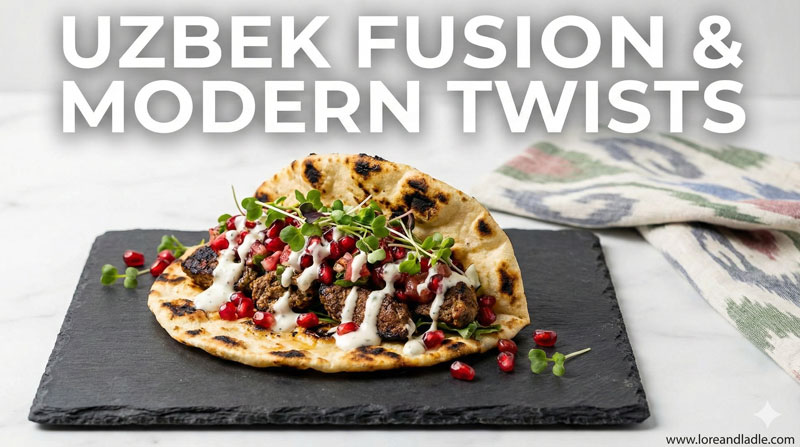
Modern kitchens embrace chuchvara by weaving global flavors into familiar forms. Chefs experiment with dough colors from beet or spinach to add visual drama, while fillings explore lamb, beef, or mushroom combinations, sometimes with miso, sesame, or citrus accents. Yogurt sauces, mint oil, pomegranate seeds, and chili oil bring bright contrasts that awaken the palate. The result remains recognizably chuchvara—a nod to Uzbek roots—while inviting adventurous eaters to explore textures and aromas from around the world. These twists celebrate culinary curiosity, demonstrating how tradition can stay relevant by inviting new ingredients and techniques without losing its essence. The dish thus becomes a living dialogue between past and present, a sign of a culture that loves to cook, share, and refine its flavors.
Serving as a cultural moment
Serving chuchvara is more than presenting food; it is about storytelling at the table. A bowl of dumplings in a clear broth invites guests to observe the gentle steam and savor the aroma. A plate of steamed dumplings with a bright yogurt sauce invites conversation about tastes and textures. In every serving, cooks honor hospitality, balance, and seasonal freshness. The dish also pairs well with simple accompaniments—fresh herbs, slices of onion, and a splash of tangy yogurt—because the beauty of chuchvara lies in harmony. This sense of harmony reinforces the cultural value of calm, shared meals that nurture togetherness.
A closing note on appreciation and memory
Classic Chuchvara – Uzbekistani Fusion & Modern Twists Flavor You’ll Love speaks to the enduring appeal of a dish that blends fidelity to heritage with curiosity for new flavors. It honors generations of cooks who perfected the pleat, the simmer, and the bite. It welcomes written and spoken recipes into contemporary kitchens, inviting everyone to participate in a culture of careful preparation and generous hospitality. By honoring both tradition and invention, the dish becomes a joyful celebration of food, family, and community.