
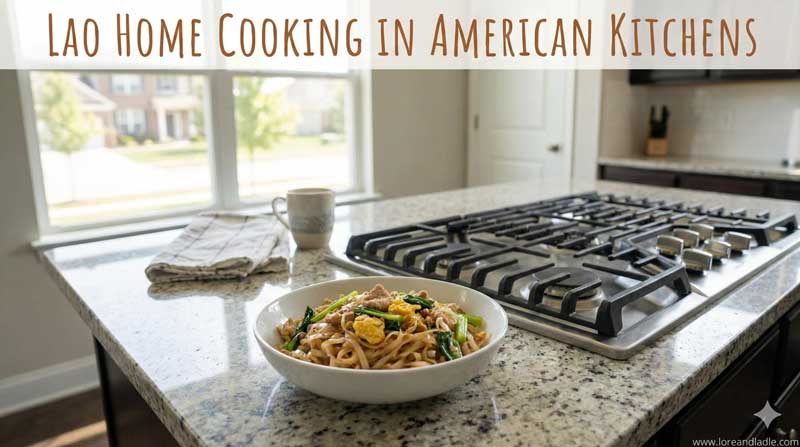
Classic Lao Home Cooking in American Kitchens for First-Time Lao Food Fans invites you to explore a kitchen tradition built on warmth, freshness, and mindful balance. This post focuses on the dish as a cultural expression and a culinary practice. You will see how simple steps and honest ingredients can carry the spirit of Lao homes into American kitchens with grace and open curiosity.
Introducing Classic Lao Home Cooking in American Kitchens for First-Time Lao Food Fans
This concept gathers the heart of Lao home cooking into a friendly kitchen setting. It celebrates how bright herbs, sticky rice, and lively sauces come together in everyday meals. The goal is to help first-time Lao food fans feel welcome, curious, and confident. By focusing on taste, technique, and shared moments, we honor a cooking tradition that values hospitality, seasonality, and balance.
Core Principles: Flavor, Texture, and Balance
Lao cooking shines when flavors sing in balance. First, freshness matters. Mint, cilantro, dill, and lemongrass brighten every bite. Next, a gentle sour note from lime or tamarind adds lift. Then, a warm, salty backbone comes from fish sauce or salt. Spiciness is layered, not overwhelming, often tempered with herbs and rice. Finally, texture plays a key role: soft sticky rice with crisp herbs or a smooth dip, plus a light crunch from roasted rice powder. These principles guide Home Cooks toward dishes that feel lively and harmonious.
Essential Ingredients and the Staples of Lao Cooking
- Sticky rice (khao niaw): the central vehicle for flavor and texture.
- Fresh herbs: mint, cilantro, dill, and Thai basil when available.
- Acid and brightness: lime juice and lime wedges.
- Fish sauce: a fundamental seasoning for depth.
- Chili paste or fresh chilies: for warmth and bite.
- Jeow or spicy dips: simple chili pastes that pair with vegetables and meat.
- Ground toasted rice powder (khruea): adds a nutty, gravelly texture.
- Meats and seafood: pork, chicken, beef, or fish in simple preparations.
- Vegetables: cucumbers, lettuce, herbs for wrapping, and crisp greens for salads.
These ingredients travel well into American kitchens, where fresh produce and Pantry Staples from nearby markets can stand in for traditional Lao items. The beauty comes from using what you have, while preserving the flavor logic of Lao cooking.
Techniques That Travel Easily to Home Kitchens
- Mortar and pestle: pound herbs, chilies, and garlic to release fragrance. If a mortar isn’t handy, a heavy bowl and spoon or a short blender pulse can mimic the method.
- Pounding and mixing by hand: fold in toasted rice powder for texture and a subtle nutty note.
- Grilling and hot searing: quick chops and meat cuts gain flavor with a short, hot sear.
- Steaming and gentle simmering: vegetables and proteins stay tender and bright.
- Fresh chopping and assembly: many Lao dishes rely on freshness and quick assembly rather than long cooking times.
American cooks can adapt with common tools while preserving essential textures and flavors. The result feels authentic and approachable, not complicated or distant.
Dishes to Start With for First-Time Fans
- Larb (laap) with sticky rice: a bright, herb-forward salad of minced meat seasoned with lime, fish sauce, and toasted rice powder. It honors balance and light heat.
- Jeow (spicy chili paste) with vegetables: a simple, vibrant dip that invites dipping and sharing.
- Tam mak ho (Lao green papaya salad) or a gentle papaya salad variation: crisp, tangy, and refreshing.
- Grilled chicken or fish with herbs: a straightforward protein that captures Lao flavors with minimal fuss.
- Sticky rice on the side: the comforting staple that anchors meals and carries condiments well.
These dishes offer a gentle path for beginners. They teach the rhythm of Lao flavors—fresh herbs, bright acidity, and a touch of heat—without overwhelming the palate.
The Cultural Value of Lao Home Cooking
Food is a language of care. Lao home cooking in American kitchens preserves a sense of belonging and sharing. Each dish tells a story of family, seasonality, and the joy of gathering around a table. Fresh herbs symbolize vitality, and the careful balance of sour, salty, and spicy reflects a thoughtful approach to everyday life. When first-time Lao fans prepare these meals, they participate in a living tradition that welcomes guests and invites conversation. The dishes become a bridge between generations, a way to honor memory while creating new ones in a different setting.
A Gentle Path for Respectful Exploration
As you explore Lao home cooking, approach with curiosity and patience. Start with simple recipes, taste often, and adjust with mindfulness. Respect the ingredients and the craft that goes into each dish. Sharing meals is a practice of hospitality, and small steps—like serving with fresh herbs or pairing with sticky rice—can deepen your appreciation. The goal is not to master every recipe at once, but to grow familiarity with textures, flavors, and the deliberate pace of Lao meals.
Quick Tips for a Rewarding Experience
- Start with sticky rice and a light larb to feel the core flavor balance.
- Use fresh herbs generously; they brighten the dish noticeably.
- Add lime and fish sauce gradually; taste as you go.
- Keep chili on the side for those who want more heat.
- Use a mortar and pestle when possible; a sturdy bowl and spoon work too.
- Prepare jeow or chili paste ahead of time to speed up weeknight meals.
- Serve with a simple vegetable side and plenty of fresh herbs.
These tips help first-time Lao fans enjoy authentic flavors while staying comfortable in American kitchens.
Closing Reflection: The Beautiful Language of Lao Flavor
Classic Lao Home Cooking in American Kitchens for First-Time Lao Food Fans is an invitation to taste, learn, and share. The dishes emphasize balance, freshness, and hospitality. They honor a cooking tradition that treats food as a friendly language spoken at the table. By embracing the tools you have and respecting the core flavors, you can savor Lao home cooking with ease and joy. Welcome this culinary journey, and let the colors, textures, and aromas guide you toward a deeper appreciation of Lao food culture in your own kitchen.