
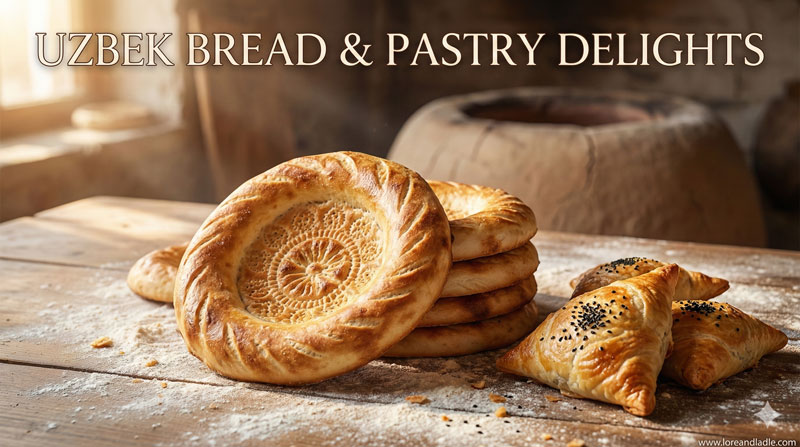
Discover Classic Manti – Uzbekistani Bread & Pastry Delights Flavor You’ll Love
Classic Manti is more than a dish. It Is a window into Uzbek cooking, where time-honored methods meet warm hospitality. The flavors are gentle, bright, and deeply comforting. Each bite blends the tenderness of dough with a savory heart, crafted to delight friends and family at every gathering. This post invites you to savor the cultural value and culinary significance of this beloved pastry.
A Glimpse into Manti: Shape, Dough, and Delight
Manti are dumplings that carry a unique character in Uzbek cuisine. The dough is thin and delicate, masking a flavorful filling inside. The result feels light and satisfying, with a texture that holds its shape during steam. The dumplings are often formed with careful pleats, turning the cooking moment into a small craft ritual. Plate them carefully, and the sight itself becomes a warm invitation to the table.
The Craft Behind the Dough
The dough is the heart of the experience. It rests on patience and practice. A mix of flour, water, salt, and sometimes a touch of oil creates a pliable sheet. Rolling is done with care to achieve a wafer-thin layer that fries no edges, allowing steam to work its magic. The result is a dough that is strong enough to hold the filling, yet tender enough to melt in your mouth. The skill of rolling and sealing is often passed down through generations, turning it into a family art.
The Heart of the Filling
Inside each mantı, the filling tells a story of flavor and seasonality. Traditional fillings feature ground lamb or beef with onions. The meat and onion mingle with cumin, black pepper, and coriander for warmth, while a pinch of salt ties the flavors together. Some cooks add herbs or a touch of garlic to brighten the profile. When the dumplings steam, the juices mingle with the dough to create a savory, comforting core. The filling is the dish’s beating heart, balanced by the dough’s softness.
The Steam and Serve: A Moment of Hospitality
Manti are most often steamed, not boiled, in a specialized vessel that allows even heat to cradle each dumpling. The steam render the dough soft and the filling fragrant. Serving is a small ceremony: a platter of mantı arrives hot, perhaps with a dollop of garlicky yogurt on the side and a drizzle of chili oil or fresh herbs. The combination—warm dumplings, cool yogurt, and the bright lift of herbs—offers a moment of shared pleasure that invites conversation and connection.
Cultural Significance: Family, Hospitality, and Craft
In Uzbek culture, cooking is a gesture of welcome. Preparing mantı is often a family affair, a way to show care through measured work and patient timing. Mothers and grandmothers may lead the dough rolling, the filling mixture, and the art of sealing each dumpling. When friends or guests arrive, a tray of mantı on the table signals generosity and a readiness to nurture. The dish becomes a quiet ambassador of hospitality, inviting everyone to slow down and enjoy a comforting moment together.
Regional Variations and Modern Twists
Across Uzbek regions, mantı carry subtle variations. Some kitchens favor larger dumplings with richer fillings, while others opt for smaller pockets that offer a quick, satisfying bite. Fillings may vary with seasonal produce or local traditions, including pumpkin or squash for a sweeter note. Yet the core idea remains the same: thin dough, savory heart, and a gentle steam that unites them. Modern twists can introduce light herbs or different spices, but the dish stays faithful to its character as a shared, comforting staple.
Pairings and Presentations
Mantı shines when presented with simple accompaniments. A cool yogurt sauce with garlic adds tang and creaminess, balancing the warmth of the filling. Fresh herbs, such as dill or cilantro, provide a fragrant finish. A light sprinkle of ground pepper or paprika can add a gentle kick. Pair Mantı with warm tea or a mild beverage to complete the comforting experience. Presentation matters too: neat rows of dumplings, each sealed with a neat pleat, convey care and hospitality.
Preserving a Taste of Heritage
Sustaining this dish keeps a living culinary heritage. By practicing the techniques, sharing with others, and honoring the recipes that travel through generations, we preserve more than flavor—we preserve a way of gathering. The dish invites curious home cooks to explore dough-making, filling balance, and the art of steaming. In doing so, we celebrate a food culture that values craft, warmth, and shared meals.
A Delight You’ll Return To
If you seek a dish that embodies skill, comfort, and community, Classic Manti offers a welcoming answer. It respects tradition while inviting gentle exploration through fillings and spices. The texture, aroma, and presentation all speak to a culture that loves to gather around a table and savor the results of patient kitchen work. This is more than food; it is a shared memory, plated and passed along from one kitchen to the next.
If you’re ready to explore Uzbek flavors, try making mantı at Home or seek a local kitchen that celebrates this comforting dumpling. Let the steam rise, hear the whisper of the dough, and taste the heart of a culinary tradition built on warmth, craft, and connection.