
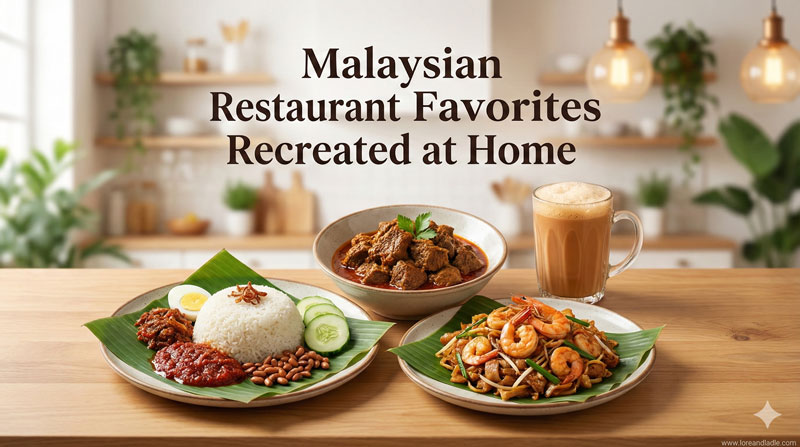
What makes Nasi Lemak a beloved staple
Nasi Lemak stands out as a breakfast, lunch, or late-night favorite. It welcomes you with aroma first, then flavor. The dish blends comfort and character in every bite. It is a everyday meal that many families return to with anticipation. The name hints at richness, and the plate delivers it: creamy rice carried by coconut milk, bright sambal heat, and a chorus of textures. This harmony speaks to a culture that values balance, hospitality, and shared moments around a table. In markets, homes, and cafe menus, Nasi Lemak marks a simple promise: satisfying food that feels both familiar and special. The dish travels easily between modest kitchens and more polished spots, always keeping its heart.
The flavor toolbox: building blocks of a restaurant-quality copycat
To understand a copycat, break it into the core elements:
- Coconut rice: fragrant, creamy rice that forms the base.
- Sambal: a spicy, savory paste that lifts the plate with warmth.
- Ikan bilis (fried anchovies): crisp, salty hits of texture.
- Peanuts: toasted crunch and nutty depth.
- Egg: a soft, comforting counterpoint.
- Cucumber: cool freshness to balance richness.
Each part carries a cultural memory. When they come together, they tell a story of morning markets, of cooks adjusting the heat and coconut to taste, of family kitchens where recipes evolve with time and appetite.
From favorite spot to your budget kitchen
A restaurant-quality copycat fits many budgets. You get the familiar flavor without paying a premium for a single portion. The trick is to focus on technique and balance rather than chasing every luxury ingredient. Small, thoughtful choices matter: using good coconut milk, toasting peanuts, and crisping the ikan bilis at the right moment. With careful timing, you can achieve depth and brightness in steps, making the dish feel refined yet accessible. The result is a plate that honors the original while welcoming your home kitchen’s character.
Techniques for depth and balance
Start with the rice. Rinse, then cook it with coconut milk, a pinch of salt, and a hint of pandan if you have it. The pandan leaves bring a subtle sweetness and fragrance. For the sambal, blend or pound shallots, garlic, dry chilies, and a touch of shrimp paste. Sauté slowly to bloom flavor, then fold in a touch of sugar and a splash of lime for brightness. Fry ikan bilis until crispy, then crush lightly for texture. Toast peanuts until golden and fragrant. Boil or soft-cook the egg, then slice. Assemble with balance in mind: creamy rice, spicy sambal, crisp fish, crunchy nuts, a mellow egg, and crisp cucumber. Adjust heat and sweetness to taste, keeping contrasts lively but harmonious. This approach preserves the restaurant-style sophistication while staying practical at Home.
Plating and serving: a ritual of sharing
Presentation matters, but the spirit is most important. Serve the coconut rice in a neat mound. Spoon a generous line of sambal beside it. Scatter the ikan bilis and peanuts for texture, place the egg halves nearby, and tuck cucumber slices on the side. A touch of fresh herbs or lime can brighten the plate. The whole bowl invites shared bites and conversation. This dish thrives when people gather, tasting as a team rather than in isolation. The ritual itself honors the dish’s cultural value: food as a bridge between families, friends, and neighbors.
A respectful approach to taste and heritage
Cooking with care means listening to flavor and tradition. Treat the ingredients with respect, learn the balance that makes the dish sing, and bring your own warm touch to the table. A well-made copycat celebrates the craft behind a beloved plate. It becomes more than a recipe; it is a doorway to the kitchen histories of communities that treasure nourishment, aroma, and hospitality. By cooking thoughtfully, you keep these values alive for every new generation of eaters.
Conclusion: savoring heritage in a bowl
Restaurant-Quality Copycat Nasi Lemak From Your Favorite Spot on a Budget invites you to savor a storied, comforting dish without leaving home. You get the same harmony of creamy rice, spicy sambal, and crisp accompaniments, plus the joy of sharing. In every bite, you feel the beauty of a culinary tradition that welcomes all who sit at the table. This is the essence of the dish: a simple bowl that speaks of culture, craft, and community—and the exquisite possibility of recreating it with care in your own kitchen.