
Introduction
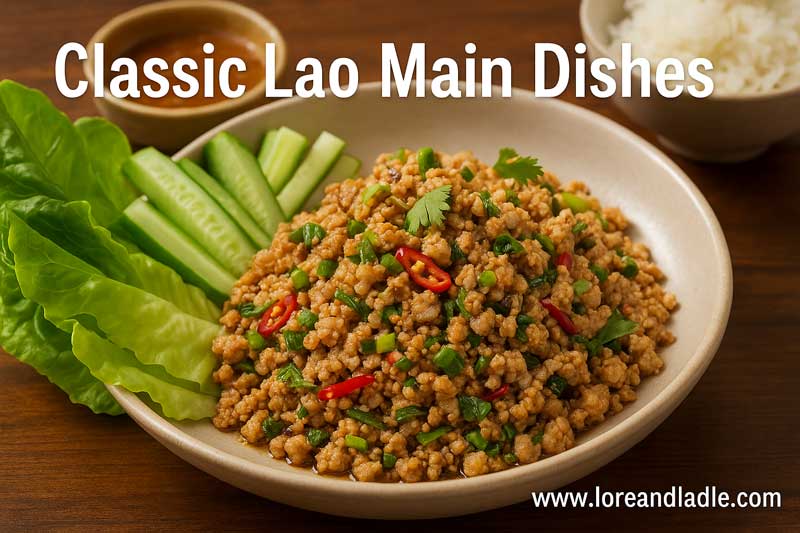
Cozy Cold-Weather Classic Lao Main Dishes Ideas Is a curated concept that invites you to savor winter warmth through Lao flavors. This collection centers on the cultural value of Lao cooking and the culinary craft that makes these meals both comforting and meaningful. In Lao kitchens, meals are more than sustenance; they are moments of togetherness, care, and shared heritage. With bright herbs, fragrant pastes, and carefully prepared staples, these dishes transform cold days into inviting gatherings. The goal here is to celebrate the beauty of Lao main dishes and their place in everyday food culture.
The Essence of Lao Comfort in Winter
Lao cuisine is deeply tied to the rhythm of the seasons and the bounty of local markets. Even on cooler days, cooks balance heat, brightness, and depth. Rice remains central, but the way it pairs with broth, stew, or grilled meat creates comfort that travels across generations. Fresh herbs like dill, lemongrass, and mint bring gardens into the dish, while chili and spice provide a warm lift. This harmony between simple ingredients and precise technique is a hallmark of Lao culinary culture. The dishes chosen for this collection honor that harmony and show how a winter meal in Luang Prabang, Vientiane, or rural towns can feel both intimate and grand.
Or Lam: The Hearty Lao Stew for Cold Evenings
Or Lam is a winter-friendly staple that embodies patience and warmth. It is a slow-simmered stew that can feature pork or beef, with vegetables such as eggplant, green beans, and mushrooms. The herbs and aroma come alive as the pot bubbles gently: lemongrass, dill, basil, and pepper leaves mingle with a subtle heat. This dish teaches a key cultural lesson: time and care transform ingredients into a nourishing family meal. Or Lam is often shared in large bowls, inviting everyone to scoop a portion, taste the balance of meat, vegetables, and fragrant herbs, and savor the social aspect of cooking together. Its presence in any winter menu signals hospitality and a respect for regional herb combinations that define Lao comfort cuisine.
Khao Piak Sen: The Soothing Noodle Soup for Cold Days
Khao Piak Sen is a beloved Lao noodle soup that embodies warmth in a gentle, clear broth. The noodles are tender, the broth is comforting, and the aroma comes from a quick simmer of chicken stock with a touch of sesame oil and garlic. Served with fresh herbs, lime, and bean sprouts, it becomes a bright, uplifting dish even on chilly evenings. The cooking process reflects Lao value: clear, patient technique that yields depth without harsh heat. This dish is a reminder that comfort can be clean, nourishing, and inclusive—welcoming family and friends to share a steaming bowl while conversations flow. Khao Piak Sen demonstrates how the simplest ingredients—rice noodles, broth, and greens—create a centerpiece that is both restorative and festive.
Gai Yang with Sticky Rice: Grilled Comfort as a Main
Gai Yang, or Lao grilled chicken, is a main dish that brings warmth through technique and flavor. The chicken often marinates with garlic, fish sauce, coriander, and a hint of pepper, then grills over coals until the skin is crisp and the meat stays juicy. When plated with sticky rice, a small basket of fresh herbs, and a tangy jaew dipping sauce, the dish becomes a complete winter meal. The charcoal aroma, the crackle of the crust, and the bright herbs work together to create a comforting, social experience. Gai Yang with sticky rice is not just sustenance; it’s a celebration of balance—savory, savory-sweet, herbaceous, and lively in texture. It showcases how Lao street and Home Cooking can translate into a refined main dish suitable for a cozy dinner table.
Jaew Sauces: The Layered Flavors that Tie Dishes Together
A good Lao meal often hinges on the jaew, a chili-laden sauce that accompanies main dishes like grilled meats and stews. Jaew acts as a flavor bridge, bringing brightness, heat, and depth to every bite. The sauce may combine roasted chilies, shallots, garlic, lime juice, and fish sauce, with herbs folded in for freshness. The result is a dipping companion and a seasoning that can be adjusted for spice tolerance and personal preference. In winter meals, jaew helps lift heavier dishes, preventing heaviness while reinforcing the communal sharing spirit of Lao dining. It is a small but essential thread in the culinary fabric, connecting flavors, textures, and cultural memory through every spoon and bite.
Fresh Herbs, Sea Salt, and Seasonal Balance
Lao cooking celebrates the garden and the market. Fresh dill, lemongrass, Thai basil, mint, and lime leaves brighten winter dishes and offer contrast to rich broths and grilled meats. The balance among heat, acidity, and herbaceous notes is deliberate, a reflection of centuries of tasting and refining flavors. Seasonality is not about chasing trends; it is about honoring what the land offers and honoring the cook’s ability to harmonize those elements. In a cozy winter spread, these herbs provide aroma, color, and a sense of place. The result is a menu that feels deeply Lao—present, vibrant, and respectful of nature.
Techniques that Define Lao Main Dishes
Three techniques commonly shape Lao main dishes for winter comfort:
- Slow simmering and layering of flavors, as seen in Or Lam, where time deepens the broth and tenderness of meat.
- Grilling over charcoal, which adds a smoky dimension and a tactile pleasure to the dish, as in Gai Yang.
- Fresh herb finishing and quick assembly, which preserves brightness and texture in Khao Piak Sen and other bowls.
These methods reflect a philosophy of balance and craft. They show that Lao cooking honors patience, outer warmth from the grill, and inner warmth from a well-rounded bowl. When these techniques come together, they create dishes that feel timeless and welcoming.
Cultural Significance: Food as a Social Heartbeat
Food in Lao culture often centers on gathering, sharing, and hospitality. Winter meals amplify this role because the colder season invites more home gatherings and slower meals. In many households, the cooking process is a family affair: younger cooks learn knife skills and seasoning from elders, while everyone participates in setting the table and serving. The shared act of eating—passing bowls, ladling broth, dipping with jaew—strengthens social bonds and reinforces a sense of belonging. By focusing on main dishes that warm the body and invite conversation, this collection honors a culture where food is a bridge to memory and community.
Practical Tips for Home C cooks: Recreating Lao Winter Main Dishes
- Start with a simple base. For Or Lam, use a neutral meat stock and add vegetables gradually to build a deep, comforting flavor.
- Don’t fear heat, but layer it. A moderate amount of chili in jaew and stews yields balance when paired with herbs and lime.
- Use fresh herbs generously. Dill and lemongrass uplift mindfully, while mint and Thai basil offer cooling notes that counter spice.
- Embrace the texture. Pair soups like Khao Piak Sen with tender noodles, crisp herbs, and a squeeze of lime for a bright finish.
- Respect timing. Allow stews to simmer to tenderness, and finish grilled dishes with a quick rest before serving to lock in juices.
- Plate with care. Present main dishes in warm bowls, with a small herb bouquet and a side of sticky rice or dipping vegetables.
The Role of Rice: The Foundation of Lao Main Dishes
Sticky rice anchors Lao meals and signals warmth and hospitality. In winter, a steamy bowl or a fluffy bed of sticky rice complements both soups and mains. Its neutral, slightly sweet profile provides a comforting canvas for bold sauces and herb-forward flavors. Sharing sticky rice at the center of the table reinforces communal eating and makes the meal feel cohesive. This cultural practice is as much about nourishment as it is about social ritual, reflecting how Lao households welcome guests and make room for conversation.
Seasonal Pairings: What to Serve with These Dishes
- Light salads with fresh herbs provide a refreshing counterpoint to rich stews.
- A cucumber or tomato relish adds crisp acidity that balances heat.
- Steamed greens with a touch of sesame oil offer a gentle contrast to meat and noodles.
- A warm broth or light soup can precede the main course, setting a comforting tone.
- Herbal teas or coconut water serve as soothing, non-alcoholic accompaniments that respect the meal’s warmth.
A Respectful, Neutral Tone: Celebrating without Politics
This blog post focuses on culinary value and cultural meaning. It highlights the beauty of Lao flavors, techniques, and family-hearted meals. We avoid political topics and maintain a neutral, welcoming stance. The emphasis remains on how these dishes connect people, celebrate heritage, and bring warmth to cold days.
Conclusion: The Quiet Power of Lao Winter Main Dishes
Cozy Cold-Weather Classic Lao Main Dishes Ideas offers a window into how Lao cuisine turns winter into a season of hospitality and care. Through Or Lam’s slow, generous stew; Khao Piak Sen’s soothing warmth; Gai Yang’s grilled comfort; and the versatile jaew sauces, the dishes reveal a cultural philosophy: nourishment, community, and balance. They remind us that food is a language of belonging—spoken in broth, shared across bowls, and celebrated at table. By exploring these winter mains, we honor Lao culinary artistry and the timeless beauty of gathering around good food with warmth, kindness, and respect.