
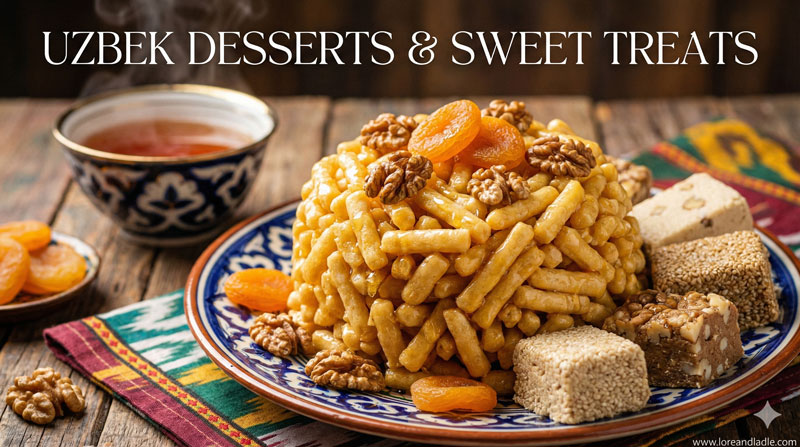
Introduction
Discover Samsa – Uzbekistani Desserts & Sweet Treats Flavor You’ll Love is more than a pastry. It is a doorway to Uzbek hospitality and a celebration of craft. This post highlights its cultural value and culinary significance. Readers will feel the warmth of a tradition shared across kitchens, markets, and tea rooms.
A Window into Uzbek Hospitality
In Uzbek culture, samsa arrives at the table as a gesture of welcome. Friends and family gather around a shared plate, and the pastry is often placed at the center of the spread. The act of offering samsa shows care and respect. Its presence signals a moment of pause, conversation, and gratitude for good company. The aroma welcomes guests before the first bite, inviting a calm, sociable mood. Thus, samsa is more than food; it is a ritual of sharing.
Craft and Culinary Significance
Samsa blends technique with sensorial delight. The dough is rolled to create delicate layers that crackle softly when baked. The filling balances sweetness, texture, and aroma. Common sweet fillings include fruit preserves, crushed nuts, and a touch of honey or sugar. Spices such as cardamom and cinnamon add warmth without overpowering the pastry. A final sesame seed topping or a light glaze often crowns the piece, signaling both care and craft. The result is a harmonious contrast: a flaky crust encasing a fragrant, softly sweet center.
Techniques that Shape Flavor
Authentic samsa relies on careful dough handling and precise sealing. The dough is kneaded to achieve elasticity, then rested to relax the gluten. The filling is prepared to be moist but not runny, ensuring clean cuts and tidy bites. In traditional ovens, samsa bakes in a high-heat chamber that creates a slight caramelization on the crust. The topping, whether sesame or sugar dusting, adds a final note of texture. This combination of technique and timing is the heartbeat of its culinary significance.
Regional Flavor and Form
Different Uzbek towns add their own personality to samsa. In some regions, the pastry is shaped into triangles, a nod to generations of bakers who perfected the fold and seal. In others, round or crescent shapes appear, each with a preferred filling. The choice of nuts, fruit, or sweet cheese varies with local markets and seasons. Yet across regions, the shared practice of baking and serving samsa keeps a common thread: hospitality, craftsmanship, and a celebration of texture and aroma.
Serving, Pairing, and the Experience
Samsa is typically enjoyed warm, cut into bite-sized pieces. It pairs wonderfully with tea, especially a fragrant black tea or a lightly steeped herbal blend. The contrast of hot pastry and a cool sip creates a balanced moment of comfort. In gatherings, a plate of samsa invites conversation as guests reach for the next piece. Its rhythm—crisp crust, fragrant interior, and a clean, satisfying finish—enhances the social experience.
A Living Tradition in Uzbek Cuisine
Samsa endures because it travels well from home kitchens to markets and gatherings. Recipes are shared across generations, keeping the technique alive while allowing small personal touches. The pastry embodies a respect for seasonal ingredients and the simple joy of sharing a sweet bite. In this way, samsa contributes to the broader narrative of Uzbek cuisine: a cuisine built on hospitality, careful preparation, and a love of flavor that welcomes all who gather at the table.
How to Enjoy Samsa at Home
To capture its essence, start with a good pastry base and select a sweet filling that suits your taste. Pair warm samsa with a cup of tea to mirror the traditional experience. Notice the flaky crust, the gentle sweetness, and the aromatic spices that linger on the palate. If you experiment, try a filling of finely chopped nuts with a touch of honey or a fruit preserve for brightness. Each bite is an invitation to pause, savor, and appreciate the artistry behind this Uzbek favorite.
Closing Thoughts
Discover Samsa shows how a single pastry can carry cultural meaning, culinary technique, and shared joy. It invites curiosity about Uzbek desserts and the beauty of a well-made sweet treat. Whether you encounter samsa in a home kitchen, a market stall, or a tea room, its charm remains constant: a warm, inviting flavor and a rich sense of place in Uzbek food culture.