
Introduction
Easy Indonesian Indonesian Beef & Lamb Recipes: Tempeh Goreng and More to Impress Your Friends invites you into a world where bright spices meet comforting textures. This collection honors Indonesian cooking as a craft shared in home kitchens, markets, and family gatherings. Tempeh Goreng stands beside beef and lamb dishes as a testament to balance, technique, and everyday hospitality. The result is food that feels familiar, generous, and deeply respectful of Indonesian flavors.
Tempeh Goreng: A Cultural Cornerstone
Tempeh Goreng is more than a dish; it Is a doorway into Indonesian pantry culture. Tempeh, a traditional fermented soybean product, provides protein with a nutty, earthy character. Across Java, Sunda, and Bali, tempeh is prepared in homes and small eateries, fried until crisp and golden. A simple marinade of garlic, shallots, turmeric, and a touch of coriander seeds invites a bright aroma and a gentle warmth. Serving tempeh with a chili-scented sambal is common, creating a lively contrast between crisp exterior and tender interior. Tempeh Goreng embodies resourcefulness, seasonality, and the joy of sharing plates that invite conversation and connection.
Beef & Lamb in Indonesian Cuisine: A Flavor Language
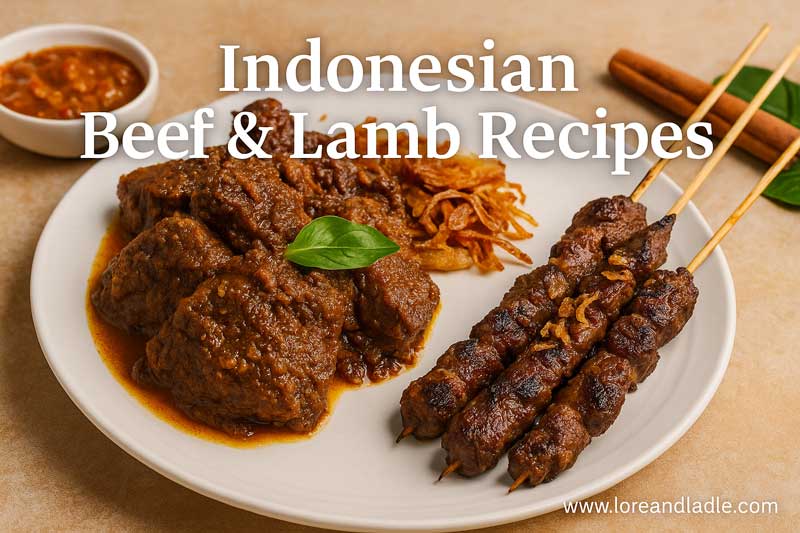
Beef and lamb appear in Indonesian cooking as hearty complements to lighter proteins like tempeh. Dishes often rely on a bumbu halus, a finely ground spice paste made from garlic, shallots, chilies, turmeric, coriander, and pepper. This paste carries fragrance through the cooking process, shaping a flavor language that is both bold and nuanced. Sauces may include kecap manis (sweet soy) for warmth, lime or tamarind for brightness, and fresh herbs for lift. The result is meat that remains tender inside, with a savory glaze that harmonizes with rice, vegetables, and crisp-accented fried items like tempeh.
Easy Method: Tempeh Goreng and Quick Beef & Lamb Dishes
For Tempeh Goreng, slice tempeh into slabs or triangles. Lightly season or lightly dust with rice flour for extra crunch. Fry in hot oil until the edges brown and crisp. Drain and serve with a bright sambal or a soy-loyu dip. For variation, finish with a pinch of salt or a squeeze of lime to wake the flavors.
For beef or lamb dishes inspired by this theme, marinate thin slices with minced garlic, shallots, a touch of turmeric, ground coriander, and a splash of soy sauce. Sear quickly in a hot pan until browned and just barely cooked through. This quick method preserves tenderness and emphasizes the spice paste’s aroma. Serve with plain rice and a simple cucumber salad to balance richness.
Flavor, Aroma, and Pairing Ideas
Indonesian cooking often aims for balance. The crisp tempeh brings texture to the plate, while the meat provides depth. A small portion of sambal adds heat and brightness without overpowering the main flavors. Fresh lime juice or vinegar can lift the dish, and a side of pickled vegetables introduces a refreshing counterpoint. Pair these dishes with steamed jasmine rice, which absorbs the sauces beautifully, and a light garnish of sliced scallions or herbs for color and aroma.
Regional Echoes: How Regions Shape the Dishes
Islands and districts shape spice use and technique. Java often favors clean, bright notes with accessible spice blends. Bali may lean toward fragrant, aromatic updates and bolder chiles. Sumatra brings a deeper chili heat and more pronounced earthy tones. Across these regions, tempeh Goreng remains a flexible canvas, while beef and lamb dishes reflect local preferences for savor and aroma. This diversity highlights how Indonesian cooking welcomes variation while preserving shared techniques.
Hosting with Ease: Presenting to Impress Friends
To impress friends, present a small, balanced platter: crisp tempeh pieces, tender beef or lamb slices, a vivid sambal in a separate bowl, and a fresh cucumber or lime wedge for brightness. Use a wide, shallow dish for the tempeh to showcase its golden crust. A little coconut-scented steam from a pot of rice adds warmth to the table setting. Clear, warm lighting helps flavors be perceived even before tasting, and a brief note about tempeh’s traditional role in Indonesian kitchens can enhance the experience.
Pantry Essentials for Easy Repeats
Keep a few key ingredients handy to recreate these dishes with ease:
– Tempeh, fresh and firm
– Beef or lamb slices or small cuts
– Garlic, shallots, fresh red chilies
– Turmeric, coriander seeds, black pepper
– Soy sauce or kecap manis
– Rice flour or cornstarch
– Rice for serving
– Sambal (store-bought or homemade) or fresh chili paste
– Lime or vinegar for brightness
– Fresh herbs or cucumber for garnish
A Culinary Celebration of Indonesian Food Culture
This collection honors the beauty of Indonesian flavors as they live in homes and communities. Tempeh Goreng offers a plant-based pride that pairs naturally with meats, illustrating a thoughtful approach to protein and texture. The beef and lamb dishes, built on vibrant spice pastes and careful frying or searing, reveal a culinary craft that respects time, technique, and the joy of sharing. By choosing simple, respectful methods, you invite friends to taste a culture that values balance, warmth, and hospitality.
Conclusion
Easy Indonesian Indonesian Beef & Lamb Recipes: Tempeh Goreng and More to Impress Your Friends invites you to savor a rich tradition through approachable, friendly cooking. The dishes celebrate texture, aroma, and harmony on the plate. They remind us that good food connects people, honors technique, and invites everyone to sit together and enjoy the beauty of Indonesian flavors.