
Introduction
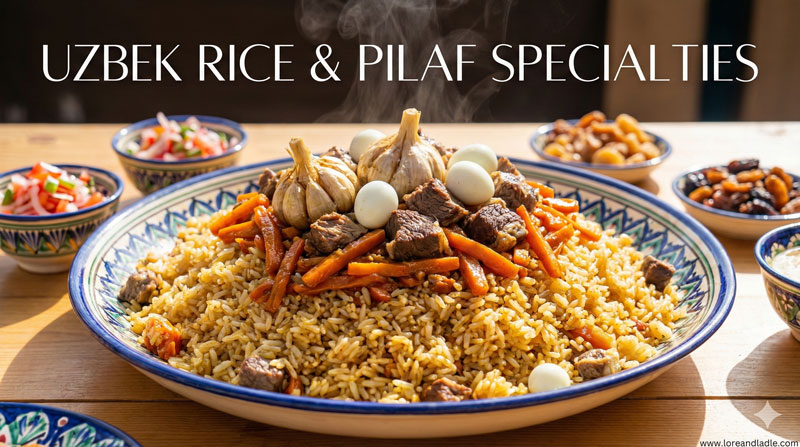
Palov, or plov, is a beloved treasure in Uzbek cuisine. This dish represents warmth, generosity, and a long arc of family meals. When meat browns and onions glow golden, the kitchen fills with a perfume that invites everyone to gather. In Uzbekistan, palov is more than food; it is a cultural touchstone that celebrates skill, timing, and shared effort. This post celebrates How to Make Palov – Uzbekistani Rice & Pilaf Specialties Flavor You’ll Love by highlighting its cultural value and culinary significance. You’ll see how flavors, textures, and technique come together to tell a story that spans generations.
A Window into Uzbek Hospitality
Hospitality is woven into every step of palov’s preparation. Friends and family may take turns tending the flame, listening for the sizzle that signals the moment to add the next ingredient. A large, communal pot becomes a gathering place where stories, smiles, and laughter mingle with steam. The act of feeding others with palov is a language of care. It shows respect for guests and pride in local craft. Clear conversations, careful stirring, and attentive timing all reflect a shared devotion to quality and generosity. In this way, palov becomes a living tradition, passed down with each simmer and each careful flip of the spatula.
Core Ingredients and Meaning
The classic core of palov centers on simple, honest ingredients. Long-grain rice stands as a symbol of abundance and heartiness. Tender meat provides depth and savor, while onions offer sweetness that balances the savoriness. Carrots contribute color and a subtle sweetness that brightens the dish. Spices such as cumin and coriander impart warmth without overpowering the rice’s character. Sometimes saffron or barberries appear, adding golden notes or tart tang. Each ingredient carries meaning: rice as a base of nourishment, meat as sustenance for gatherings, vegetables as vitality for the table. Together, they create a harmony that speaks of careful craft and regional flavor, celebrating the land where these ingredients flourish.
The Craft of Palov: Technique and Rhythm
Palov is a study in rhythm and restraint. The cooking vessel—a sturdy kazan or deep pot—helps create a layered, caramelized foundation. Start by warming oil and searing the meat to develop rich color and aroma. Next, onions soften and release sweetness that anchors the dish. Then carrots join the pot, lending both flavor and a visual glow. After the vegetables become tender, spices are stirred in to perfume the scene. Rice lands on top, and liquid is added in a deliberate balance. The rice cooks gently in the hot steam, absorbing flavors from the meats and spices. Finally, the pot rests before serving, allowing the grains to settle and the aroma to settle into memory. The sequence is precise, but the heart of palov stays flexible enough for regional touch and personal pride.
Regional Variations and Flavor Notes
Across Uzbekistan, palov wears subtle regional signatures. Some kitchens favor lamb for a deeper, game-like note, while others use beef for a quicker, cleaner finish. The length and type of rice can shift the texture from fluffy to more compact grains. Carrots may be sliced into long ribbons or short sticks, altering how sweetness emerges in each bite. A handful of chickpeas, garlic heads, or a few dried fruits can appear for variation, giving a nod to local harvests and family preferences. Yet the core idea remains the same: a fragrant, nourishing pilaf built around a shared pot and shared purpose. These nuances connect cooks to their region and to the seasonal table, making each palov a slightly different, wonderfully familiar experience.
Serving, Sharing, and Tradition
In Uzbek culture, palov is tied to ritual and celebration. It is often the centerpiece at festive meals, family gatherings, and seasonal milestones. The dish is commonly shared with everyone at the table, from elders to guests, symbolizing unity and hospitality. Fresh herbs and a pair of bread rounds typically accompany palov, offering balance and texture. When palov arrives at the table, it signals welcome, respect, and a moment to pause and enjoy together. The act of serving—hands steady, bowls ready, voices warm—strengthens social bonds and honors a long lineage of cooks who have refined this beloved craft. The experience is as much about the table as it is about the flavors.
Practical Tips for an Authentic Palov Experience
- Use a sturdy, wide pot to promote even browning and flavor development.
- Brown the meat well to unlock deep, savory notes.
- Sweat onions until they glow, capturing sweetness that balances the dish.
- Add carrots after onions to keep their color and texture intact.
- Layer rice on top and monitor liquid carefully to let steam do the rest.
- Let the palov rest briefly after cooking to unify flavors.
- Taste and adjust with gentle touches of salt and spice to honor the regional profile you’re aiming for.
These practical choices honor tradition while inviting personal flair, making each palov a respectful, delicious interpretation of a timeless classic.
Conclusion
Palov is more than a recipe; it is a celebration of culture, craft, and community. Its flavors tell a story of hospitality, shared labor, and regional pride. By exploring How to Make Palov – Uzbekistani Rice & Pilaf Specialties Flavor You’ll Love, you invite a deeper appreciation for the dish’s cultural value and culinary significance. Each serving offers a window into Uzbek life: the care in preparation, the joy of gathering, and the enduring beauty of a dish made to be shared. May this palov inspire respectful curiosity, warm meals, and memorable moments around the table.