
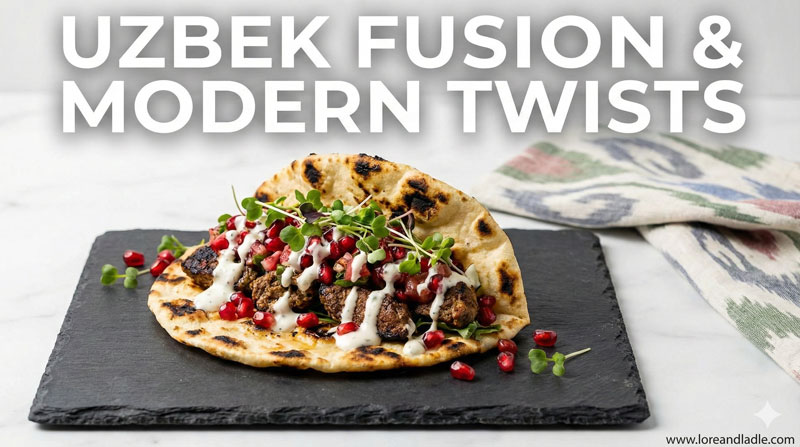
Easy Homemade Samsa – Uzbekistani Fusion & Modern Twists Flavor You’ll Love
This dish earns its warmth from tradition and its charm from gentle Modern Twists. Easy Homemade Samsa is a triangular pastry that carries the heart of Central Asia into home kitchens. The aroma of roasted onions, cumin, and crisp pastry invites curiosity and celebration. In every bite, you taste a careful balance of heritage and personal touch. The recipe becomes a small ceremony in which family and friends gather to share a ritual of kneading, shaping, and baking together.
Cultural roots of Samsa in Uzbek cuisine
Samsa sits at the crossroads of everyday life and festive moments in Uzbekistan. Vendors, grandparents, and young cooks alike pass down the idea that a good samsa begins with patience and attention. The pastry wrapper is a canvas for a story told with onions, meat, or seasonal vegetables. The shape—often triangular—echoes practical bites for travel and busy days, yet it also carries a sense of pride when placed on a plate for guests. The dish reflects a culture that welcomes guests with generosity and a simple, honest meal. In markets and kitchens, samsa connects flavors across generations, marking shared meals and simple celebrations.
The dough and technique: Craft in every bite
Dough is the quiet star of samsa. It is made with flour, water, salt, and a touch of oil or yogurt. The goal is a dough that rests and relaxes, then rolls into thin sheets. The technique matters: a gentle hand, a cool surface, and even pressure help create a delicate layers. When the dough meets the filling, the pastry seals in aroma and moisture. A hot oven or a traditional clay oven adds a toasty, nutty scent. The result is a crisp edge with a tender center. This balance—between strength and tenderness—speaks to the careful craft found in many Uzbek home kitchens.
Filling varieties: Traditional and modern twists
Traditionally, samsa carries a savory filling of minced meat and onions, sometimes with a whisper of cumin and black pepper. Lamb or beef, finely ground, mixes with sautéed onions until the air fills with warmth. Yet the filling is not fixed. You can layer in potatoes, pumpkin, or greens for variation. A hint of coriander, parsley, or dill brightens the mixture. When cooks explore, they find that simple additions can elevate the dish without losing its soul. The filling becomes a palette for creativity while staying rooted in shared taste memory. Modern twists might feature chicken with garlic, mushroom, or cheese. Each version respects the pastry’s core, while inviting new aroma and texture to the table.
Fusion and modern twists: Uzbekistani flavor with a contemporary glow
Easy Homemade Samsa has room for friendly fusion notes. Cooks often blend regional spices or kitchen secrets to suit today’s palates. A pinch of chili adds gentle heat; cumin and paprika bring earthiness; a splash of yogurt can enrich the filling or the dough itself. Some cooks experiment with gluten-free flour blends or olive oil to create a different texture, always aiming for tenderness and flavor. The concept of fusion here is about honoring Uzbek roots while welcoming contemporary flavors. It’s a flavorful conversation between the old kitchen and the modern stove, a testament to how a traditional dish can stay relevant and inviting.
The social and ceremonial value: Hospitality and memory
Sharing samsa is an act of hospitality. Guests are greeted with warmth, and the pastry becomes a conversation starter. The process—mixing dough, filling, shaping, and baking—often becomes a family activity. Children learn to pinch corners and fold edges; elders share tips on sealing and timing. In many homes, the first bite is offered to a guest as a sign of respect and welcome. The dish also travels through celebrations and everyday meals, binding people through shared aroma and taste. Easy Homemade Samsa thus acts as a culinary bridge, linking generations and inviting everyone to savor a moment of togetherness.
Tips for achieving authentic flavor at home
- Start with a rested dough. Resting helps the gluten relax, yielding a lighter crust.
- Keep the filling moist but not watery. Sauté onions until translucent and mix them well with meat or vegetables.
- Taste and adjust spices in small steps. A little cumin, pepper, and coriander can transform the dish.
- Seal edges tightly. A proper seal keeps juices inside and preserves texture.
- Bake hot and evenly. A 20–25 minute window at a steady high heat yields a crisp exterior and moist interior.
- Let the samsa rest briefly after baking. A short rest enhances flavor and helps the crust settle.
A closing note: Celebrating a timeless snack
Easy Homemade Samsa is more than a snack. It is a celebration of craft, community, and the joy of shared meals. The dish invites cooks to honor tradition while welcoming modern flavors. Each samsa, with its crisp crust and fragrant filling, tells a story of Uzbek cuisine—the daily meals, the markets, and the gatherings that color life with warmth. Whether served as a centerpiece for a family meal or as a small delight for guests, samsa offers a gentle reminder: food can carry culture, history, and heart in a single bite. By embracing both heritage and invention, Easy Homemade Samsa becomes a delicious way to savor the beauty of Uzbek culinary culture in a modern kitchen.