
Introduction
Easy Homemade Non Bread – Uzbekistani Fusion & Modern Twists Flavor You’ll Love invites readers into a kitchen where tradition and curiosity meet. In Uzbek cuisine, non sits at the center of the table as more than bread. It is a symbol of hospitality, daily ritual, and shared care. This post highlights the cultural value of non and the culinary significance of its simple technique, while showing how modern twists can celebrate the flavors of the region without losing its heart. Expect an inviting look at how a round loaf connects family, meal, and memory.
The Heart of Non in Uzbek Cuisine
Non is more than sustenance. It is a round canvas that carries family history and communal spirit. Traditionally baked in a tonir, a clay oven heated with wood or charcoal, non rises to a blistered, soft interior with a crisp, fragrant crust. The dough—made from flour, water, salt, and yeast—travels from bowl to table, absorbing the warmth of the home and the laughter of those gathered around it. In Uzbek households, non accompanies plov (the iconic lifted rice dish), soups, kebabs, and fresh herbs. It is sliced or torn, shared generously, and used to scoop sauces and bits of meat. The loaf’s circular shape embodies unity and continuity, a small reminder that meals are community events. The beauty of non lies not only in its taste, but in its ability to bring people together around a common plate.
Fusion and Modern Twists: Fresh Flavor with Respect for Tradition
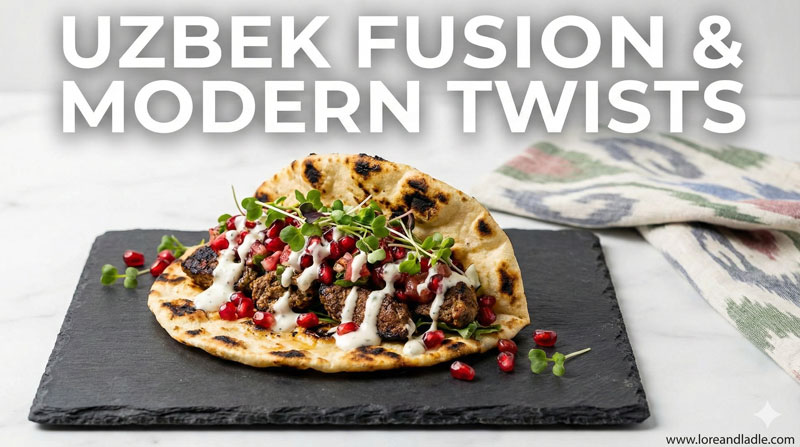
Fusion in this dish means honoring a cherished staple while inviting contemporary flavors and textures. Easy Homemade Non Bread embraces this balance with care. You can keep a classic, soft-centered loaf as the anchor, then layer in modern twists that suit today’s kitchens. For example:
– A light brushing of garlic-herb butter before baking adds aroma and depth.
– Sesame seeds, nigella seeds, or caraway seeds sprinkled on top introduce subtle toasty notes and a traditional visual pattern.
– Cheese-stuffed variants bring a creamy contrast to the crust, blending comfort with tradition.
– Optional herb ribbons or minced scallions folded into the dough create a lively interior that still bakes into the familiar round shape.
– A yogurt-dill drizzle or a tangy yogurt-garlic sauce on the side aligns with the region’s love of yogurt-based accompaniments.
These twists honor the core technique—folding, shaping, and baking a round loaf—while offering modern flavor experiences. The goal is to keep the loaf recognizable as non, so its essence remains a bridge between generations and across kitchens. In this way, fusion becomes a conversation starter: a way to explore regional ingredients and contemporary tastes without changing what non represents in the home.
Cultural Significance at the Table
The presence of non at the table signals welcome and generosity. Hosts place the loaf in the center, inviting guests to partake and share. The act of breaking bread together becomes a ritual that fosters conversation, kinship, and a sense of belonging. Non’s warmth mirrors the warmth of the welcome each guest receives. In many homes, the bread is used to wrap bites of meat, vegetables, or chutneys, turning each bite into a tiny, portable tasting plate. This practice underscores a key cultural value: meals are social experiences, built around shared food and shared moments.
The modern twists discussed above do not replace this social purpose. Instead, they enhance it by offering new flavors that families can discover together. A round loaf with sesame on top or a cheese-filled interior can spark conversation about favorite regional ingredients, seasonal herbs, or family recipes. The result is a table that respects tradition while inviting curiosity and playful collaboration. The non becomes a focal point that helps everyone feel connected, whether at a casual weeknight meal or a special gathering.
Techniques and Tradition: Honoring Craft in Everyday Home Cooking
Traditional non is crafted with a respect for time-honored technique, yet it remains approachable for home cooks. The core steps emphasize rhythm and patience:
– Prepare a simple dough with flour, water, salt, and yeast. Let the dough rest to develop gluten and flavor.
– Knead until smooth, then allow it to rise. A gentle rise yields a lighter texture and a moist crumb.
– Shape the dough into a round, even disk. The top surface can carry decorative patterns or a light glaze.
– Bake in a hot oven or on a hot surface until the crust is crisp and the interior cooks through. A touch of steam during the early bake helps create a soft, inviting interior.
Modern twists fit into this framework without breaking the sequence. Brush with fragrant oil or butter to finish, scatter seeds for aroma and crunch, or slip in a cheese center before baking. The result remains non in form and function, but with new layers of flavor. This approach keeps the technique accessible: you can master a classic loaf with basic pantry ingredients, then gradually experiment with toppings or fillings as you grow more confident. In the end, the process honors a centuries-long craft while welcoming today’s tastes.
Serving and Pairing: A Versatile Companion to Uzbek Flavors
Non pairs beautifully with many dishes that define Uzbek dining. Serve it with plov—the heartland dish of rice, carrots, and meat—so that the bread can scoop up bites of the savory mix. It also complements soup courses, grilled meats, and fresh herb salads. A small dish of yogurt or a garlicky dip enhances the loaf’s crust and crumb, echoing the region’s affection for dairy-based accompaniments. For gatherings, presenting non in a shared basket invites guests to select portions and mix flavors, reinforcing the social spirit of Uzbek meals. The fusion twists offer a chance to explore new pairings—try a light herb butter with a sprinkle of sesame, or a tangy yogurt drizzle to balance richness—without distancing the bread from its traditional role.
The Place of Non in Festivals and Daily Life
Non appears in everyday meals and in special occasions alike. It fuels family breakfasts, nourishes weeknight dinners, and often participates in festive spreads. Its presence signals hospitality, care, and generosity. By introducing modern twists, families can tailor the loaf to seasonal ingredients or personal favorites, making the bread a living part of daily life rather than a relic of the past. Each loaf tells a small story about a kitchen, a cook, and a moment in time. Through this lens, Easy Homemade Non Bread becomes more than a recipe; it is a cultural practice that invites everyone to participate in a shared culinary narration.
Easy Home-Making Tips: Quick Paths to a Beautiful Non
- Use a simple yeast dough as the base. Let it rise until doubled for a soft crumb.
- Shape into a uniform round for even baking and a classic look.
- Brush with olive oil or melted butter before baking to enhance crust color and aroma.
- Add tops seeds or small decorative patterns for a traditional touch.
- Experiment with a cheese-filled center or herb-infused dough for a modern twist.
- Bake on a preheated stone or heavy baking tray to mimic the tonir’s heat.
- Serve fresh or lightly warmed—the best non often tastes bright and soft on the inside and crisp on the outside.
These tips keep the process accessible, even for beginners. They also allow cooks to honor Uzbek tradition while exploring personal tastes. The result is a warm, inviting loaf that can be as simple or as adventurous as you wish.
Conclusion
Easy Homemade Non Bread – Uzbekistani Fusion & Modern Twists Flavor You’ll Love celebrates a bread that is more than a staple. It is a symbol of welcome, a canvas for family and friends, and a bridge between generations. By honoring its traditional roots—round shape, shared table, and tonir-baked crust—while inviting gentle modern twists, this dish becomes a living part of today’s kitchen. Whether you keep the loaf classic or explore new flavors, non offers a welcoming path into Uzbek culinary culture. Enjoy the warmth of the loaf, the joy of sharing, and the endless possibilities that arise when tradition and creativity come together around the table.