
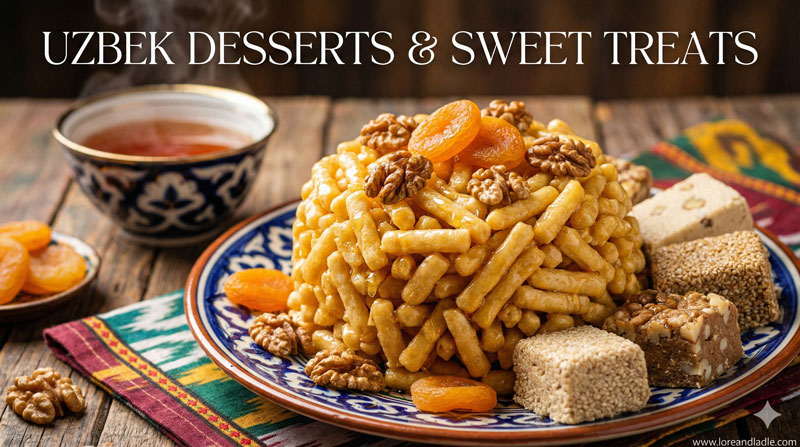
What Easy Homemade Samsa Is
Easy Homemade Samsa is a celebration of Uzbek warmth and craft in a single pastry. In many Uzbek kitchens, samsa is a treasure you share with family and friends. This version leans into dessert flavors, using gentle fruit sweetness, nuts, and a touch of honey. The result is a pastry that feels both familiar and special. You’ll taste layers of tradition in every bite, and you’ll feel welcome into the kitchen where stories are baked into the dough.
Cultural Value and Culinary Significance
Samsa carries a quiet dignity in Uzbek culinary culture. It is part of daily life and festive occasions alike. The act of preparing samsa invites patience, precision, and care. Families gather around the table, exchanging tips and memories as the oven warms. The pastry reflects the region’s love of balance—crisp edges meet a tender center, and simple ingredients become something memorable. This dish also illustrates how dessert can be a shared ritual, turning tea time into a small ceremony of hospitality and joy.
Texture, Flavor, and Craft
The beauty of samsa lies in texture and the gentle contrast of flavors. A thin, golden crust gives way to a soft, fragrant filling. When sweet fillings are used, apples, dried fruits, or nuts mingle with a hint of sugar and spice. The dough often relies on a smooth embrace of oil or butter, so the pastry remains tender yet sturdy enough to hold its shape. A light brush of honey or sesame seeds can finish the top, adding a delicate sheen and a touch of aroma. The result is a dessert that feels celebratory without being extravagant, perfect for savoring with family and friends.
Simple Ingredients with Deep Meaning
- Flour, water, and oil form the dough’s quiet backbone.
- Filling ideas include diced apples, ground nuts, raisins, cinnamon, and a drizzle of honey.
- Optional finishes such as sesame seeds or a light egg wash add color and glow.
These ingredients echo a regional pantry where fruit, nuts, and simple pantry staples become a dish with lasting charm. The emphasis on balance and harmony in the filling mirrors Uzbek culinary values of generosity and careful technique.
Quick Steps for Making Easy Samsa at Home
- Mix a smooth dough from flour, water, oil, and a pinch of salt.
- Let the dough rest briefly, then roll into circles or triangles.
- Spoon a modest filling of fruit and nuts, fold, and seal the edges firmly.
- Brush with a touch of egg wash if you like, and bake in a hot oven until amber.
- Cool slightly, then serve with tea or yogurt for contrast.
This approach keeps the process accessible while preserving the dish’s spirit. You can adapt the filling to what you have on hand, and the crust will still shine.
Serving Traditions and Presentation
Serve samsa warm to highlight its inviting aroma. A plate of warm pastries invites conversation and shared bites. Pair it with a pot of tea, and allow small plates to pass around so everyone can enjoy a bite while stories flow. The dish’s appearance—golden edges and a soft center—visually signals hospitality. In this way, Easy Homemade Samsa becomes more than a dessert; it is a graceful invitation to pause, connect, and celebrate everyday life.
A Timeless Taste in Uzbek Desserts
Samsa holds a timeless place in Uzbek sweets and treats. Its gentle sweetness, crisp crust, and affectionate preparation remind us that good food is about care and connection. By making this dish at Home, you keep a living thread of culture active in your kitchen. The result is not just a dessert, but a small, welcoming gesture that honors tradition while inviting new flavors to join the table.