
Easy Homemade Samsa — Uzbekistani Rice & Pilaf Specialties Flavor You’ll Love
Welcome to a warm bite from Central Asian kitchens. Easy Homemade Samsa showcases a pastry that mirrors Uzbek hospitality and culinary care. This dish sits beside plov, Uzbekistan’s famous rice pilaf, and together they paint a picture of balanced flavors, shared effort, and daily celebration. The pastry’s crisp edges cradle a savory filling, releasing aroma that invites conversation and connection. In every bite, you feel the craft of generations and the love of family meals.
In the Heart of Uzbek Home Cooking
Samsa is more than a snack. It is a familiar guest at bustling family tables and quiet tea moments alike. In Uzbek homes, the act of preparing samsa brings people together. Adults tend the dough, chop onions, and season the filling, while youngsters learn by watching the delicate folds and careful shaping. The aroma rises through the kitchen, signaling a moment of welcome. Sharing samsa with neighbors or guests is a simple, joyful ritual that highlights generosity, patience, and a deep respect for good food served with warmth.
The Dough: Texture and Technique
The dough is the quiet hero of samsa. It should be supple enough to roll yet sturdy enough to hold its filling. In Uzbek practice, flour, water, salt, and a touch of oil come together in a smooth, elastic dough. Gentle kneading helps develop a light structure, while resting the dough relaxes the gluten so it rolls out thin without tearing. When you roll, aim for sheets that are almost translucent. The goal is a tender, flaky crust that yields softly to the bite. A thin layer bakes into crisp, golden edges while keeping a moist center around the filling. Finally, a light glaze of egg wash adds a glossy sheen that signals a well-made samsa.
Filling and Flavor
The filling harmonizes sweetness, savor, and aroma. The classic mix combines minced lamb or beef with onions, a touch of garlic, and fragrant spices. Caraway or cumin seeds wake the filling, while black pepper adds a quiet heat. Some cooks fold in finely chopped herbs like cilantro or dill, which brighten the mixture. Potatoes, peppers, or mushrooms may appear in regional versions, but the timeless charm lies in the balance: meat with onions, seasoned boldly yet restrained enough to let the pastry shine. As with pilaf, the flavor is layered—savory meat first, then the warm echo of cumin, with the pastry playing the crucial role of texture and aroma.
The Oven’s Warmth: Aroma and Texture
Traditionally, samsa bakes in a hot clay oven, where the crust blisters to a delicate crisp and the filling steams to a tender finish. In home kitchens today, a well-heated conventional oven achieves a similar effect. The high heat encourages rapid browning at the edges while the center remains moist. The result is a crisp bite with a juicy interior and a perfume that lingers. The scent—onions mellowing with meat, a hint of cumin, a touch of sesame if used—comforts the senses and signals a meal built with care.
Samsa on the Table: Cultural Significance
Samsa embodies Uzbek ideas of hospitality and shared abundance. It is both everyday nourishment and a dish suitable for special moments. Serving samsa signals welcome and respect for guests, inviting conversation as everyone partakes. The pastry’s tactile pleasure mirrors a culture that values artistry in daily tasks. The preparation process—mixing, rolling, folding, and baking—becomes a small ceremony that strengthens family bonds and local traditions. In this light, samsa is a cultural thread that weaves together flavor, memory, and community.
Samsa and Pilaf: A Harmonious Duo
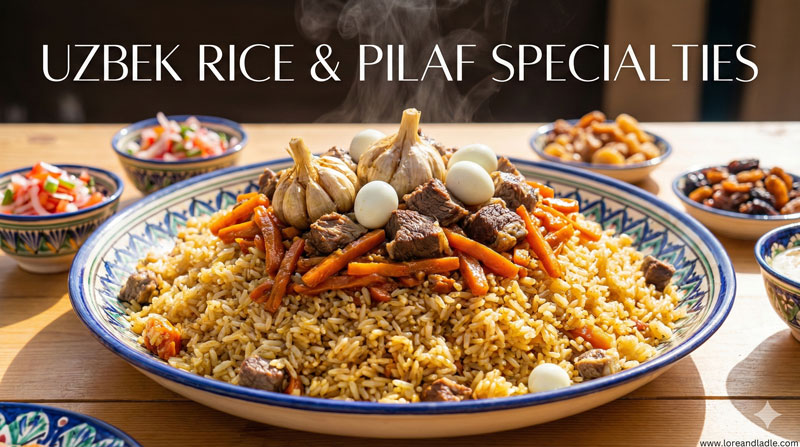
Plov, or plov pilaf, anchors meals with its fragrant rice and hearty vegetables. Samsa complements plov by offering a contrasting texture: the flaky crust and the warm, savory filling provide a pleasing counterpoint to the pilaf’s soft grains and saffron or coriander notes. Together, they create a balanced dining experience: the richness of meat coated in spice paired with the comforting, aromatic rice dish. When served side by side, samsa and pilaf celebrate a culinary partnership that is both satisfying and poetic. The pairing also showcases how Uzbek cooks orchestrate flavors across a table, guiding guests through layers of aroma and texture.
Regional Flair: Variations Across Uzbekistan
Uzbek cuisine features regional nuances, and samsa reflects that diversity. In some cities, samsa are triangular and modest in size, while other regions favor larger, square shapes. Pastry may be thicker in some areas, thinner in others, and the dough may be enriched with a touch of yogurt or milk in certain families, subtly altering texture. Filling ingredients can vary by village: more onion-forward mixtures in one region, pepper and herb-forward blends in another. Despite these differences, the core idea remains the same—a crisp pastry encasing savory filling, baked to golden perfection, and shared with warmth at the table.
Quick Tips for Easy Home Preparation
- Start with a relaxed dough. Mix flour, water, salt, and a little oil, then knead until smooth. Let it rest for 30 minutes to an hour. Resting makes rolling easier and the crust lighter.
- Roll evenly. Work with rounds or squares of dough and aim for a very thin sheet. Keep a light touch to avoid tearing.
- Prepare a flavorful filling. Sauté minced meat with onions until just cooked, then cool before filling to prevent soggy pastries. Add cumin, pepper, and a pinch of salt for depth.
- Shape with care. Place a spoonful of filling on the dough, fold, and seal firmly. A tight seal prevents leakage during baking.
- Bake hot and fast. Preheat the oven well, brush the tops with egg wash for shine, and bake until the crust is crisp and golden.
- Serve warm. Fresh samsa offers the best texture and aroma. Pair with a cup of tea or a light salad to balance the meal.
A Culinary Slice of Uzbek Heritage
Easy Homemade Samsa is more than a tasty bite. It is a doorway into Uzbek culinary heritage, honoring hospitality, craftsmanship, and the joy of sharing a meal. It highlights how a simple pastry can carry memories of families, kitchens, and communities. The dish invites you to slow down, savor the layers of flavor, and celebrate the beauty of traditional cooking brought into the home kitchen. As you bake and share samsa, you participate in a living tradition that continues to inspire cooks and charmed guests around the world.
If you’re looking for a comforting, reproducible classic, this samsa offers a friendly invitation. The blend of savory filling, crisp crust, and the aroma that fills the room makes it a memorable addition to any table. Enjoy the process, welcome guests with warmth, and let the flavors of Uzbek rice and pilaf traditions enrich your dining experience.