
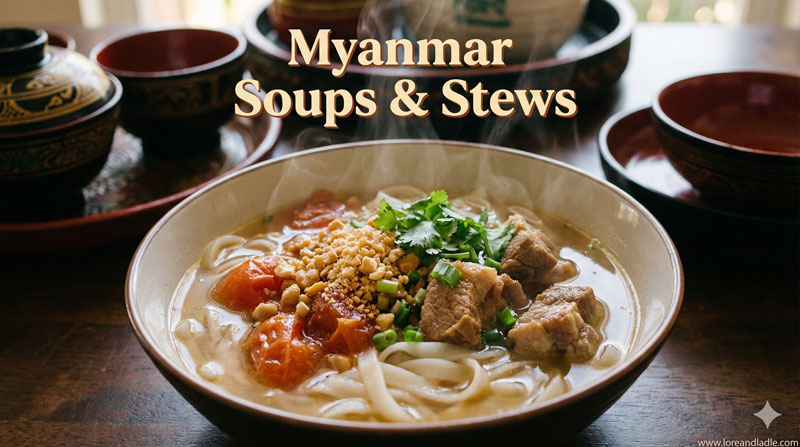
Introduction
Family-Approved Myanmar Soups & Stews Kids Will Also Enjoy invites readers into the warm world of Burmese soups and stews. This concept celebrates recipes that honor tradition while welcoming curious young palates. The dishes rise from home kitchens and community kitchens alike, where shared bowls bring people together. They reveal cultural value through comforting textures, fragrant broths, and thoughtfully balanced flavors. In this post, I explore why these soups and stews matter, how they are prepared, and what they reveal about Myanmar’s rich food culture.
The Language of Flavor in Myanmar
Myanmar soups and stews speak through aroma, texture, and balance. Broth forms the heart, often enriched with fragrant herbs and gentle spices. Turmeric lends a sunny hue and mild warmth, while lemongrass brightens the experience with a clean citrus note. Garlic and ginger provide depth, and tomatoes or tamarind offer a welcome tang. Coconut milk appears in coastal and some inland styles, lending sweetness and silkiness. The result is a harmony of salty, sour, sweet, and savory that remains approachable for kids when softened with milder heat.
A Kid-Friendly Lens
The family-friendly approach shines in these dishes. Recipes often emphasize gentle spice, soft textures, and approachable ingredients. Chefs and Home Cooks adjust the heat and reduce strong flavors to suit younger diners, without losing cultural essence. Sweet notes from ripe tomatoes or palm sugar balance savory depths. Clear broths invite sipping, while noodles, rice, or soft vegetables provide comforting bites. This thoughtful tuning makes these soups and stews inviting for children and adults alike.
Key Techniques and Ingredients
- Core techniques: slow simmering to develop depth, careful layering of aromatics, and finishing with a bright squeeze of lime or a crack of fresh herbs.
- Common ingredients: fish or chicken as main proteins, coconut milk in many coastal styles, lemongrass, garlic, ginger, onions, turmeric, and fresh herbs like cilantro or dill. Root vegetables and greens add texture and color.
- Flavor boosters: a touch of fish sauce or a small amount of fermented paste for umami, and tamarind or lime for a gentle sour note. For kid-friendly versions, these boosters are used sparingly or omitted.
- Textures: soft noodles, tender meat, and silky broths create comforting mouthfeel that many families recognize and love.
Cultural Value: Family Meals and Shared Traditions
In Myanmar, soups and stews are deeply tied to daily life and family rituals. A pot on the stove signals care, generosity, and the joy of feeding others. Shared bowls encourage conversation and connection, turning every meal into a small celebration of togetherness. Preparing these dishes often involves collaboration: grandparents teach grandkids How to roll fresh herbs, parents supervise slow simmering, and children help with simple garnishes. This collaborative spirit strengthens family bonds and honors generations of cooking wisdom. The dishes also reflect a tradition of using available ingredients with skill and love, turning everyday meals into meaningful cultural expressions.
Regional Variations and Family Traditions
Myanmar’s regions contribute distinct flavors that enrich the family-approved repertoire. Coastal areas tend to feature coconut milk, seafood, and bright citrus notes. Inland kitchens highlight poultry, beef, or pork, with broths tempered by herbs grown in home gardens. In urban centers, cooks combine street-smart techniques with homey comfort, creating soups and stews that travel well from kitchen to table. Across regions, the shared goal remains the same: nourish the family with flavorful, comforting food that respects local ingredients and seasonal possibilities. These variations reveal a living tapestry of Myanmar’s culinary voice, practiced in homes from city apartments to village huts.
Pairings, Presentation, and Serving
Serving these soups and stews is as important as the cooking itself. Many families pair bowls with soft rice or thin noodles, letting diners choose their textures. Fresh herbs, lime wedges, and fried onions provide bright finishing touches. Side condiments like pickled vegetables or chili oil can offer gentle heat for grown-ups while remaining optional for younger eaters. The presentation emphasizes warmth and accessibility: bowls are shallow for Easy sipping, and aromas rise invitingly from the pot. By inviting guests to customize each bowl, families celebrate hospitality and the joy of sharing traditional flavors.
Making The Dish Your Own
Cultural recipes thrive when they welcome new cooks. You can honor the spirit of Family-Approved Myanmar Soups &Stews by:
– Starting with a milder base, then adding gentle heat gradually.
– Choosing a protein familiar to your household and adding local vegetables for color.
– Adjusting saltiness with light fish sauce or salt, and balancing acidity with lime or tamarind.
– Finishing with fresh herbs and a touch of coconut milk for a creamy, comforting finish.
These flexible choices honor tradition while inviting personal taste, making the dishes truly family-friendly.
Inspiration from Burmese Culinary Identity
The dishes in this category capture a core of Burmese culinary identity: warmth, generosity, and respect for ingredients. They show how everyday cooking can become an act of care, transforming simple groceries into a nourishing feast. The soups and stews demonstrate technique—building layers of flavor, managing spice, and balancing textures—while staying approachable for all ages. They also celebrate the connective thread of food as a daily gift that fosters conversation, memory, and a sense of belonging.
Conclusion
Family-Approved Myanmar Soups & Kids Will Also Enjoy highlight how Myanmar’s soups and stews carry cultural value and culinary significance. They embody hospitality, regional variety, and the artistry of turning humble ingredients into comforting bowls. By focusing on flavor balance, family participation, and accessible textures, these dishes invite everyone to explore Burmese cuisine with curiosity and respect. Whether you cook at home, share with neighbors, or simply savor a pot on a cozy evening, you’re taking part in a timeless celebration of food, family, and culture.