
Introduction
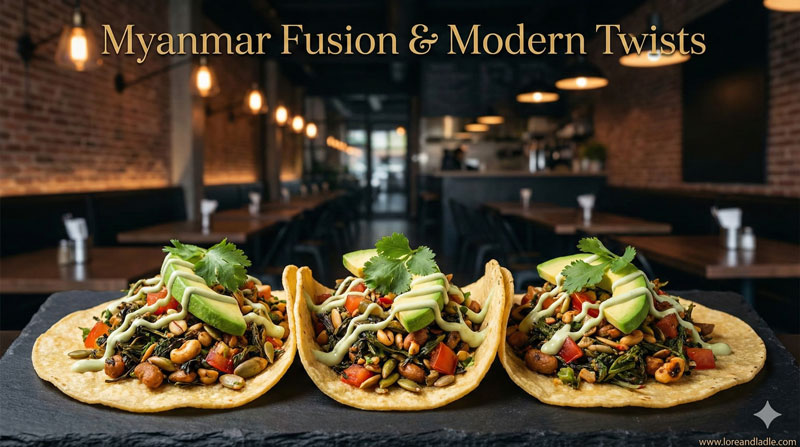
Flavor-Packed Myanmar Fusion & Modern Twists Dishes to Impress Guests celebrates the beauty of Burmese cooking while inviting fresh ideas from nearby flavors. This concept centers on taste, technique, and the warmth of sharing a meal. We look at how traditional Burmese notes meet inventive twists to create dishes that feel both familiar and exciting. The result is a vibrant portrayal of Burmese culinary culture rooted in craft, community, and hospitality.
A Bridge Between Traditions: The Cultural Value
Myanmar cuisine has long thrived on balance. Here, cooks listen to the rhythm of markets, the seasons, and family tables. The dish blends time-honored methods with contemporary aims, showing respect for heritage while embracing curiosity. It mirrors how households come together: with care, conversation, and a unifying aroma that travels from kitchen to dining room. In this fusion concept, every bite tells a story of place and people, honoring local ingredients and the joy of welcoming guests. The cultural value lies not only in flavor, but in the act of sharing, teaching, and evolving together.
Core Flavors and Symbolic Ingredients
- Salt and umami anchor the dish with ngapi or fish sauce, a cornerstone of Burmese savor. The aroma deepens the palate and signals warmth.
- Sour brightness often comes from lime, tamarind, or a touch of green mango, brightening the plate and inviting a celebratory mood.
- Turmeric, garlic, and shallots provide a comforting base, connecting to regional curry traditions and everyday home cooking.
- Fresh herbs, such as cilantro and dill, add lift and fragrance, echoing street markets and family kitchens.
- A gentle heat from chilies balances sweetness and tang, creating a memorable, rounded profile.
- Modern twists may introduce sesame, coconut milk, or a dash of citrus zest from a different tradition, all while respecting Burmese flavors.
- Texture matters as much as taste: crunchy herbs, silky sauces, and tender proteins together tell a complete story.
These elements come together to create a dish that feels deeply rooted in Myanmar’s culinary language yet alive with contemporary voice. The fusion approach respects the integrity of Burmese flavors while inviting spoonfuls of something new with every bite.
Techniques That Elevate Flavor and Texture
- A classic mortar-and-pestle paste builds depth, releasing essential oils and fostering a warm aroma that greets guests as the dish arrives.
- Layering flavors works in stages: a bright citrus note, a savory umami core, and a slow finish of aromatic herbs. This sequence mirrors how Burmese cooks develop character in a meal.
- Quick searing or wok tossing concentrates color and aroma, preserving freshness in vegetables and delicate proteins.
- Finishing with crisp elements—fried shallots, toasted seeds, or fresh herbs—offers a pleasing contrast to smooth sauces.
- Plating emphasizes color harmony and balance. A bright lime wedge, a sprinkle of herbs, and a subtle sheen on the sauce make the dish inviting before the first bite.
- Mindful timing matters: preparing components in parallel helps retain texture, aroma, and freshness, reinforcing the sense of thoughtful hospitality.
The techniques honor Burmese culinary sensibilities—precision, balance, and a respect for natural ingredients—while allowing modern methods to illuminate rather than overshadow the core flavors.
The Dining Experience: Culture in Action
This dish is more than food; it’s a moment of shared delight. In Myanmar, meals often begin with a display of abundance: a colorful platter, fragrant steam, and a rhythm of conversation. The fusion concept invites guests to explore familiar flavors in new forms—an invitation to observe, taste, and reflect. The presentation encourages conversation about ingredients, techniques, and regional influences. The experience celebrates generosity, attentiveness, and the joy of entertaining with care. In this way, Flavor-Packed Myanmar Fusion & Modern Twists Dishes to Impress Guests becomes a canvas for cultural expression through cooking.
Pairings and Presentation
- Pair with light, aromatic beverages such as jasmine tea or a citrus-forward杨梅-inspired mocktail to refresh the palate between bites.
- Accompany with simple sides like a crisp cucumber salad or pickled vegetables to add brightness and contrast.
- Garnishes of fried shallots, sesame seeds, and fresh herbs elevate texture and aroma, making the dish even more welcoming.
- Serve on warm plates that retain heat, ensuring the sauce remains silky and the proteins stay tender.
- For a complete experience, introduce guests to a brief, friendly description of the key flavors and the ideas behind the fusion approach.
The presentation should feel vibrant but balanced, echoing Myanmar’s love of color and careful composition. A well-arranged plate communicates hospitality before the first taste.
Hosting Tips: Creating This Experience at Home
- Plan a relaxed prep tempo. Pre-make the base paste and keep components organized for quick assembly.
- Choose fresh, local ingredients where possible. Seasonal produce highlights the dish’s connection to place.
- Use a gentle simmer for sauces to preserve citrus and herbal brightness.
- Balance flavors as you go: a touch more lime for brightness, a pinch more fish sauce for depth, a spoon of honey or palm sugar for harmony.
- Invite guests to participate in a small finishing touch, like scattering herbs or settling a final squeeze of lime at the table. This shared act enhances the sense of hospitality.
- Pair the dish with a short, respectful explanation of its Burmese roots and the idea of modern twists. A simple story enriches the tasting experience.
These steps help guests feel invited, valued, and connected to the cultural craft behind the dish.
A Reflection on Culinary Significance
Flavor-Packed Myanmar Fusion & Modern Twists Dishes to Impress Guests embodies how cuisine can be both rooted and forward-looking. It honors Burmese techniques and ingredients while welcoming inventive ideas that expand the palate. The dish demonstrates how tradition can evolve through thoughtful experimentation, without compromising core flavors. It also highlights the importance of community in the kitchen—sharing, learning, and celebrating together. In this way, the dish stands as a testament to the beauty of Myanmar’s food culture, a living art that welcomes curiosity and respect in equal measure.
Conclusion
The dish invites you to taste care, craft, and cultural pride. Flavor-Packed Myanmar Fusion & Modern Twists Dishes to Impress Guests shows that Burmese cuisine can be dynamic, elegant, and deeply comforting all at once. By blending time-honored flavors with modern technique, it preserves a sense of place while inviting new conversations about food. Whether prepared for a family dinner or a dinner party, this concept makes every bite a gentle celebration of culture, hospitality, and shared delight.