
Introduction
Welcome to a warm, inviting guide to How to Make Family-friendly Gado-Gado Salad at Home (Indonesian Salads & Fresh Plates Idea). This dish stands as a bright testament to Indonesian culinary artistry. It celebrates fresh vegetables, comforting textures, and a silky peanut sauce that brings everything together. In a family kitchen, gado-gado becomes more than a plate—it becomes a shared experience of color, aroma, and balance. Here, we explore its cultural value and culinary significance, with simple steps you can follow at home.
What is Gado-Gado?
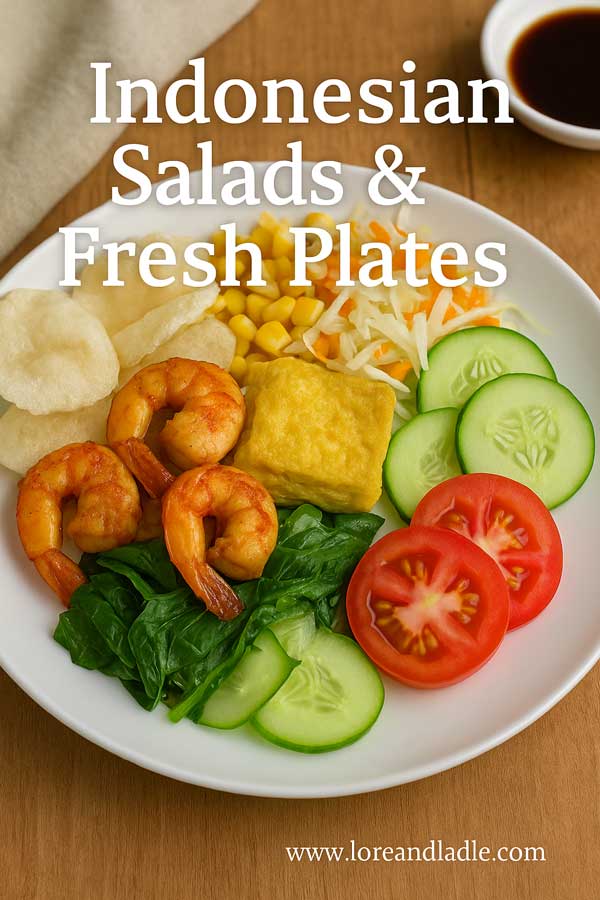
Gado-gado Is a vibrant Indonesian salad featuring an array of vegetables, sometimes fried tofu or tempeh, boiled eggs, and often lontong or rice cake. The star is the peanut sauce: a creamy, nutty dressing that ties the ingredients into one harmonious bite. The dish is flexible, welcoming different vegetables and quick adaptations. This makes it ideal for a family kitchen, where tastes vary and freshness matters.
Culinary Significance
Gado-gado showcases a beautiful balance of flavors and textures. Crunchy greens meet soft boiled eggs and silky peanut sauce. A hint of sweetness from palm sugar, brightness from lime or tamarind, and a touch of savory depth from garlic and salt create a well-rounded profile. This dish invites cooks to layer textures—from crisp cucumber to tender tofu. In many homes, gado-gado is a go-to weeknight meal that feels special enough for weekend gatherings, yet simple enough for everyday dining. The peanut sauce acts as a unifying element, bringing diverse ingredients into a single, comforting experience.
Cultural Value
Gado-gado embodies a spirit of sharing and hospitality central to Indonesian food culture. It often appears in family meals, communal gatherings, and festive occasions, where the emphasis is on fresh ingredients prepared with care. The dish reflects a practical approach to meals: plant-forward ingredients paired with a rich sauce that pleases both kids and adults. By choosing a home-friendly version, families can honor a traditional dish while keeping it approachable, colorful, and delicious. The result is a plate that celebrates everyday meals as joyful, nourishing experiences.
Ingredients and Preparation (Family-friendly Version)
This section offers a practical, kid-friendly approach while keeping the essence of gado-gado intact.
- Vegetables (core, fresh and crisp):
- 2 cups shredded cabbage
- 1 cup bean sprouts
- 1 cup spinach or kale leaves
- 1 cucumber, sliced
-
Optional: 1 small carrot, thinly sliced
-
Protein and texture:
- 8 ounces firm tofu, cubed and lightly pan-fried
- 4 ounces tempeh, sliced and lightly pan-fried
-
2 hard-boiled eggs, halved (per serving, adjust as you like)
-
Base and starch:
-
4–6 pieces lontong (rice cake) or steamed rice on the side
-
Peanut sauce (the heart of the dish):
- 1/2 cup roasted peanuts (or natural peanut butter if preferred)
- 1 clove garlic
- 1 small red chili (adjust to taste; remove seeds for less heat)
- 1–2 tablespoons palm sugar or brown sugar
- 2 tablespoons tamarind juice or lime juice
- 1/4–1/2 cup water (adjust for desired consistency)
-
A pinch of salt; optional 1–2 tablespoons coconut milk for creaminess
-
Garnish and finishing touches:
- Fried shallots
- Fresh cilantro or parsley
- Lime wedges
Steps:
1) Prep vegetables: wash, dry, and cut vegetables into bite-sized pieces. Blanch greens briefly if desired for a tender-crisp bite.
2) Cook proteins: pan-fry or bake tofu and tempeh until lightly golden. Cook eggs to desired doneness.
3) Make peanut sauce: blend peanuts, garlic, chili, sugar, tamarind or lime, and water. Blend until smooth, then adjust with salt and coconut milk if using.
4) Assemble: lay out lontong or rice, arrange vegetables and proteins on top, and spoon generous peanut sauce over or serve on the side. Garnish with fried shallots and herbs.
5) Serve: offer lime wedges on the side to brighten the flavors. Enjoy with family, letting everyone mix and match bites.
Tips for a smoother process:
– Prepare vegetables ahead of time and refrigerate; assemble just before serving for the freshest result.
– Keep peanut sauce in a jar in the fridge for up to 3–4 days; re-stir with a splash of water if needed.
– For younger eaters, reduce chili and peppery elements to keep the sauce mild.
Family-friendly Approach
This recipe is designed to welcome children to the table. To keep the taste approachable:
– Use less chili or omit it altogether in the sauce.
– Offer tofu and tempeh in familiar textures (crispy cubes) that may appeal to kids.
– Serve with plain rice or lontong, and provide extra peanut sauce on the side for dipping.
– Include colorful vegetables like carrot ribbons and cucumber slices to make the plate visually appealing.
Serving and Pairings
Gado-gado shines as a bright, fresh centerpiece. Pair it with:
– Steamed jasmine rice or lontong for a traditional touch.
– A light cucumber-lime dressing on the side for extra brightness.
– A simple fruit salad to finish the meal, echoing the dish’s balance of sweet and tangy notes.
– A cooling beverage such as jasmine tea or coconut water to complement the peanut flavors.
Tips for a Home Kitchen
- Freshness matters: choose crisp vegetables and bright greens for the best texture.
- Sauce consistency: if the sauce seems thick, whisk in a bit more water or coconut milk; if thin, add a few more peanuts or peanut butter.
- Storage: peanut sauce stores well in the fridge for several days; keep vegetables and proteins separate until serving to maintain texture.
- Personalization: invite family members to customize bowls with their preferred vegetables and toppings, turning the meal into a small family cooking session.
Why This Dish Matters to Food Culture
Gado-gado is more than a recipe; it is a celebration of Indonesian flavors and culinary creativity. Its versatility mirrors a kitchen’s daily life—ingredients can be swapped, textures can be adjusted, and flavors tuned to the family’s preference. The dish invites cooks to practice balance: between the freshness of vegetables and the richness of the peanut sauce, between simplicity and depth, between individual tastes and shared joy. In homes and markets alike, gado-gado embodies hospitality, mindfulness in preparation, and a respect for seasonal produce. It is a fresh plate idea that respects tradition while inviting modern, everyday cooking.
Conclusion
Family-friendly gado-gado is a bridge between tradition and contemporary home cooking. It offers a colorful, nourishing experience that respects Indonesian culinary roots and invites every family member to participate. By focusing on fresh vegetables, a creamy peanut sauce, and flexible accompaniments, you create a dish that is both comforting and celebratory. Whether you are cooking for a weeknight dinner or a weekend gathering, gado-gado stands ready to delight with texture, aroma, and a beautifully balanced flavor. Enjoy exploring its cultural value and culinary significance right in your own kitchen.