
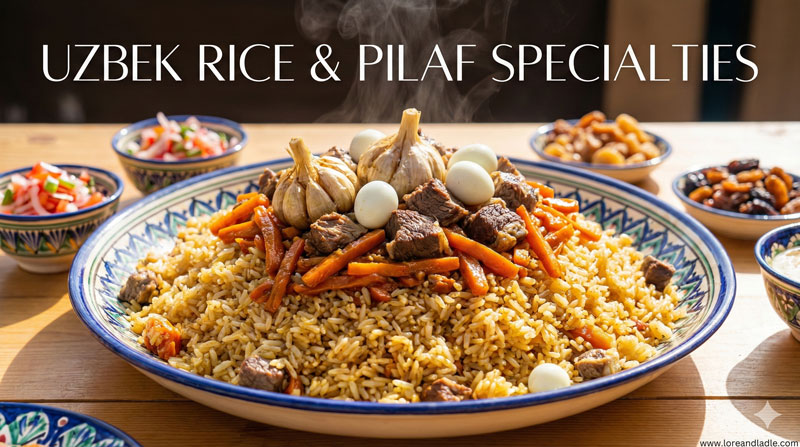
Discover Ganfan – Uzbekistani Rice & Pilaf Specialties Flavor You’ll Love
Ganfan stands as a bright beacon of Uzbek cuisine. It pairs tender meat with fragrant rice and sweet carrot ribbons. The dish invites you to slow down and savor the aroma rising from the pot. This post explores the cultural value and culinary significance of Ganfan, inviting you to feel the warmth of a table shared with family and friends. The flavor speaks softly of heritage, craft, and care in every grain.
The Heart of Uzbek Rice: Grain, Glow, and Gatherings
At the core, Ganfan honors the grain. Chefs rinse and soak rice until the kernels loosen and the surface gleams. They toast onions in oil until they glow pale gold, then add carrots for sweetness and depth. Meat joins the mix, lending depth and memory with every simmer. The rice is layered, not stirred aggressively, letting steam carry each grain to fluffy perfection. The result Is a dish that feels timeless, yet refreshingly bright with color and scent. In Uzbek kitchens, this careful balance turns a meal into a moment of welcome.
Techniques that Elevate Ganfan
A wide, heavy pot, often a kazan, shapes the experience. Heat starts gently, then rises as flavors release their notes. The onions soften, the carrots sweeten, and meat braises until tender. Dry rice meets a measured amount of hot liquid, and the pot breathes as steam rises. Chefs resist constant stirring, allowing a delicate crust to form at the bottom. This crust adds texture and character, a tiny reward for patience. Resting briefly after cooking helps the grains settle and the flavors mingle. The technique behind Ganfan is as comforting as the aroma that fills the room.
The Pantry of Flavor: Spices and Aromas
Spices give Ganfan its signature depth. Cumin and coriander seeds bring earthy warmth, while bay leaves lend subtle perfume. A touch of black pepper adds lift, and a pinch of dried chili can offer a gentle glow of heat. Some cooks finish with a thread of saffron for color and a whisper of sweetness, or a hint of garlic for sharp brightness. The palette remains balanced: fragrant seeds, bright vegetables, and meat that anchors the dish. Each ingredient plays a precise role, and together they create a layered, inviting aroma.
Cultural Moments Built Around Plov
Ganfan is more than a dish; it is a gathering. In homes and markets, it marks celebrations and daily meals alike. Families pass down steps, adjust by taste, and introduce younger cooks to the rhythm of the recipe. The aroma travels through rooms and windows, drawing neighbors to share in a moment of hospitality. Feeding others becomes a way to express care, gratitude, and connection. Through shared bowls and stories, Ganfan weaves memory into every serve.
Serving and Etiquette: Gather at the Table
Serving is a ceremony of warmth. The pot sits at the center, a sign that everyone is welcome. Helpers pass plates, and a loaf of non bread accompanies the feast, ready to scoop up the last aromatic grains. Large spoons lift portions with care, while the crusty bottom meets the fork with a quiet pride. Sharing emphasizes community, respect, and generosity. In this light, Ganfan becomes a dialogue between cook and guests, a culinary ritual that honors hospitality.
A Final Note on the Experience
The beauty of Ganfan lies in its balance: the tenderness of the meat, the fluff of the rice, and the glow of carrots. Each bite carries a sense of place and a memory of gatherings that feel both intimate and grand. When you savor Ganfan, you taste a culture that values craft, warmth, and the simple joy of a well-cooked meal shared aloud. Embrace the aroma, admire the technique, and celebrate the table that brings people together.