
Discover Ganfan – Uzbekistani Drinks & Tea Traditions Flavor You’ll Love
Ganfan stands at a warm crossroads of flavor and hospitality in Uzbekistan. This beloved drink celebrates everyday life and special gatherings alike. It blends time-honored tea traditions with aromatic spices and careful technique. The result is more than a beverage; it is a doorway into Uzbek social rituals, family moments, and shared memories. When you sip Ganfan, you taste a culture that values balance, generosity, and attentiveness to detail. This is a flavor you’ll love not only for its notes but for the story it tells with every cup.
What Is Ganfan? Ingredients, Process, and Meaning
Ganfan is a tea-based drink that brings depth through spice, sweetness, and creamy accents. Typical elements include a strong black tea, water, and a gentle touch of milk or cream. Aromatic companions vary, but cardamom, cinnamon, cloves, and sometimes saffron are common. Dried fruits such as apricots or raisins, along with toasted nuts or seeds, add subtle sweetness and texture. The preparation emphasizes patience: spices unwind their aroma as the tea steeps, then the liquid is balanced with sweetness and a touch of dairy.
In essence, Ganfan is a crafted moment. It invites careful tasting, aroma appreciation, and mindful serving. The act of brewing becomes a ritual that honors guests and everyday conversation alike. The result is a drink with warmth, brightness, and a lingering finish that invites another sip and another story.
The Role of Tea in Uzbek Culture
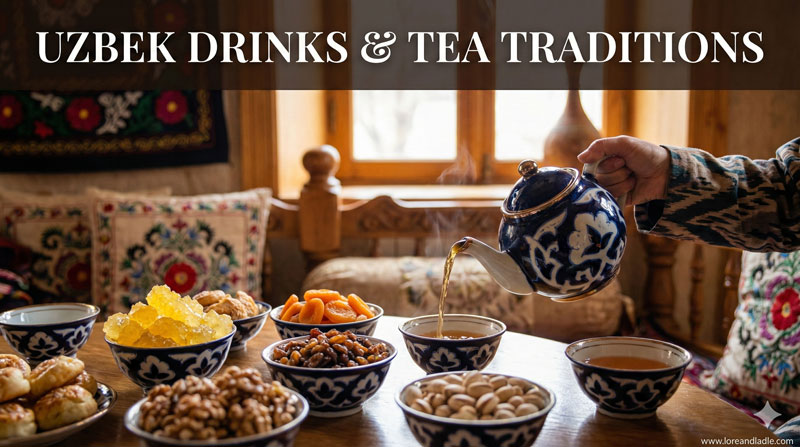
Tea sits at the center of daily life in Uzbekistan. It pairs with meals, accompanies conversations, and punctuates social visits. A cup of tea often signals welcome and attention. The traditional companion to chai is hospitality shown through small acts—offering sweets, bread, or seasonal fruits alongside the cup. Samovars and kettles are familiar sights in households and teahouses, where friends gather to share news, plans, and laughter. In this culture, tea is not rushed; it slows the moment in a positive and inviting way. Ganfan fits perfectly into this landscape, elevating the tea moment while staying true to its roots in simple, well-prepared flavors.
The Gathering Moment: How Ganfan Is Shared
Sharing Ganfan follows a clear and gentle rhythm. Guests are welcomed with a warm cup, a sign of respect and generosity. The host offers sips of tea with a calm, inviting smile. Conversation rises and falls around the table, punctuated by pauses to refill the cup. This rhythm turns a simple drink into a social ceremony. It is common to serve Ganfan at key moments—before a meal, after a day’s work, or during a family visit. The act of pouring and refilling becomes a practice of connection, showing care for others and delight in shared time.
Flavor and Culinary Significance: Beyond the Cup
Ganfan is prized for its balance. The bitterness of strong tea meets the sweetness of dried fruit and the warmth of spices. Nutty accents add texture, while a touch of dairy softens and rounds the palate. This balance mirrors Uzbek culinary traditions, where complementary flavors and textures appear across dishes such as pilaf, breads, and sweet pastries. Ganfan can be tailored to seasons and tastes, yet it always respects the core idea: a harmony of fragrance, depth, and smooth finish. That harmony makes Ganfan a reliable companion to a range of dishes and a timeless feature of Uzbek dining culture.
Regional Variations: City Traditions in Uzbekistan
Across Uzbekistan, households bring subtle regional differences to Ganfan. In one city, a stronger tea base might dominate, with a bolder spice note. In another, dried fruits and a milder sweetness take the lead. Some communities emphasize a velvety milk touch, while others favor a clean, dairy-free profile. Local ingredients—such as particular nuts, fruit choices, or spice blends—shape each recipe’s character. These variations celebrate regional pride while keeping the core concept intact: a tea-based drink that honors guests and enhances social moments. The result is a family of styles, each with its own beloved story.
Pairings and Rituals: Foods That Complement Ganfan
Ganfan shines when paired with foods that echo its balance. Fresh bread or flatbread (non) and simple pastries highlight the drink’s warmth. Dried fruits and nuts offer textural harmony with the sip. Lightly salted snacks can provide a playful contrast to the drink’s sweetness. In many homes, a small plate of seasonal fruit follows the tea, creating a natural, seasonal rhythm. These pairings are not just about taste; they reinforce the social ritual of sharing and savoring together.
How to Enjoy Ganfan at Home: Tips and Steps
- Start with quality black tea. Use a sturdy brew that holds up to spices.
- Toast spices briefly in a dry pan to awaken their aroma, then add them to the tea.
- Simmer gently, allowing the flavors to mingle without bitterness.
- Add a touch of milk or a dairy-free alternative if you prefer a creamier cup.
- Sweeten lightly to balance the spice and tea notes.
- Serve in small cups, warming them first for a smoother experience.
- Refresh with a brief, thoughtful refill and a courteous smile.
With these steps, you can recreate a welcoming Uzbek moment in your own kitchen. Ganfan invites patience, care, and attention to detail—beautiful practices to bring to any table.
A Cultural Conversation: Respectful Hospitality and Craft
Ganfan embodies a respectful approach to hospitality. It invites curiosity about flavors, technique, and sharing. The dish becomes a conversation starter about family, tradition, and the pleasure of a well-made cup. By embracing Ganfan, you honor a culture that values conversation, comfort, and community. Enjoy the flavors, and let the ritual teach you the gentle cadence of Uzbek tea traditions.