
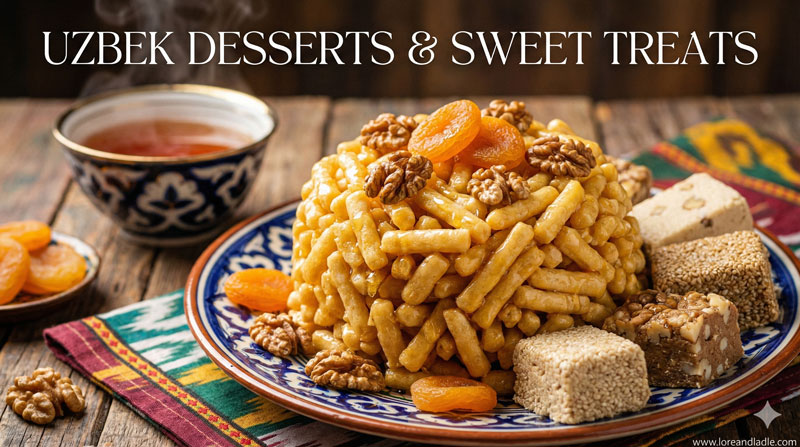
A Taste of Ganfan – Uzbekistani Desserts & Sweet Treats Flavor You’ll Love
A Taste of Ganfan invites you into Uzbek dessert culture with a gentle, fragrant sweetness. This dish blends traditional technique with a warm, welcoming flavor. It stands as a small celebration in every bite. The goal is simple: to honor hospitality and craft in a single, memorable plate.
Cultural Value in Uzbek Hospitality
In Uzbek dining, dessert is a gracious hello after a meal. It signals care, shared time, and respect for the cook’s effort. Ganfan fits perfectly here. It is often prepared for Family gatherings, special tea moments, and local celebrations. Its presence says: you are welcome, you are valued, let us enjoy this moment together. The dish also connects generations, as grandmothers pass down quiet tips about texture and sweetness. In this way, Ganfan helps keep traditions alive while inviting new tasters to join in.
Flavor Profile and Culinary Significance
Ganfan offers a balanced sweetness with depth. Expect a gentle honeyed note, a soft, tender crumb, and a light crisp edge. The aroma is warm and inviting, like a sunny afternoon. Texture matters as much as taste. A slight chew meets a delicate crumble, creating harmony with every bite. This balance mirrors Uzbek dessert craft, where precision and patience yield comforting, repeatable joy. The dish also showcases the skill of layering flavors—nutty undertones or sesame hints may peek through, enhancing the overall experience without overwhelming the palate. In short, Ganfan is a celebration of careful technique, seasonal ingredients, and the quiet pleasure of sharing.
Ingredients and Technique (Overview)
Ganfan comes together with a few grounded ingredients. Common components include milk or a dairy blend, flour or semolina for structure, sugar or honey for sweetness, and a touch of butter for richness. Nuts or seeds provide texture and aroma. The method emphasizes gentle mixing, careful shaping, and precise cooking. The result is a dessert that feels crafted rather than hurried. This discipline reflects a broader savory-sweet balance found in Uzbek pastries, where technique elevates simple ingredients into a refined treat.
Serving and Presentations
Traditionally, Ganfan is plated on a small tray or platter that invites conversation. It pairs beautifully with green or black tea, turning tea time into a small ceremony of friendship. Light dustings of powdered sugar or crushed nuts add a finishing elegance. The presentation honors the dish’s role as a thoughtful offering, whether at a family table or a larger gathering. Sharing Ganfan creates a moment of connection that travelers and locals alike can appreciate.
Regional Inspirations and Variations
Across Uzbek regions, cooks adapt Ganfan with subtle differences. Some versions favor a slightly crisper edge, while others emphasize a moister interior. Variations may introduce delicate spices, citrus zest, or different nut choices to reflect local tastes. These small shifts preserve the dish’s core identity while celebrating regional creativity. The result is a family of desserts under one name, each variation telling a local story that remains accessible to all who taste it.
Why Ganfan Resonates Today
People seek desserts that feel both familiar and fresh. Ganfan delivers this dual appeal. It honors tradition while inviting modern plating and lighter sweets. The dish is a bridge between generations, a way to teach and learn through flavor. In today’s dining scene, Ganfan stands out as a hospitable, unpretentious treat that fits tea time, celebrations, and casual gatherings alike.
Conclusion: A Gentle Invitation to Explore
A Taste of Ganfan embodies the warmth of Uzbek dessert craft. It celebrates hospitality, craft, and the joy of sharing a sweet moment. If you approach it with curiosity and gratitude, you’ll discover a flavor and texture that feel timeless, yet welcoming to new tasters. Consider trying Ganfan and letting its quiet elegance enrich your next tea or dessert table.