
Gudeg Jogja and Indonesian Fusion & Modern Twists Favorites for Indonesian Food Fans in the U.S.
Discovering Gudeg Jogja: A Timeless Central Javanese Classic
Gudeg Jogja is a sun-warmed treasure from Yogyakarta. It centers on nangka muda, young jackfruit, slow-cooked in coconut milk with palm sugar and a chorus of spices. The result is a deep, fragrant dish that glows with brown, caramelized notes. Each bite carries a sense of place, tradition, and patient craft. This dish invites both everyday meals and festive gatherings to share a quiet moment of flavor and memory.
The Craft Behind Gudeg: Technique and Sensory Craft
The heart of gudeg lies in long, careful cooking. Nangka muda absorbs the richness of santan (coconut milk) and the sweetness of gula jawa (palm sugar). Chefs monitor moisture, stir gently, and let the flavors meld over hours, sometimes overnight. The texture remains tender yet resilient, a study in balance between sweetness, salt, and a whisper of spice. Bananas leaves, simmering gently in the pot, lend a faint aroma that threads through the dish. This is cooking as ceremony, where time itself becomes an ingredient.
Cultural Value: Hospitality, Rituals, and Shared Tables
Gudeg plays a central role in Indonesian hospitality. It is often served with rice, eggs, tempeh, tofu, and sometimes krecek for a gentle kick. The dish invites sharing, helping to weave conversations around the table. In Yogyakarta, gudeg is more than nourishment; it marks moments of daily life and special occasions alike. Presenting gudeg with care signals welcome, generosity, and respect for guests. The dish’s sweetness and depth echo a culture that values harmony, patience, and communal enjoyment.
Fusion and Modern Twists: Favorites in the U.S. Scene
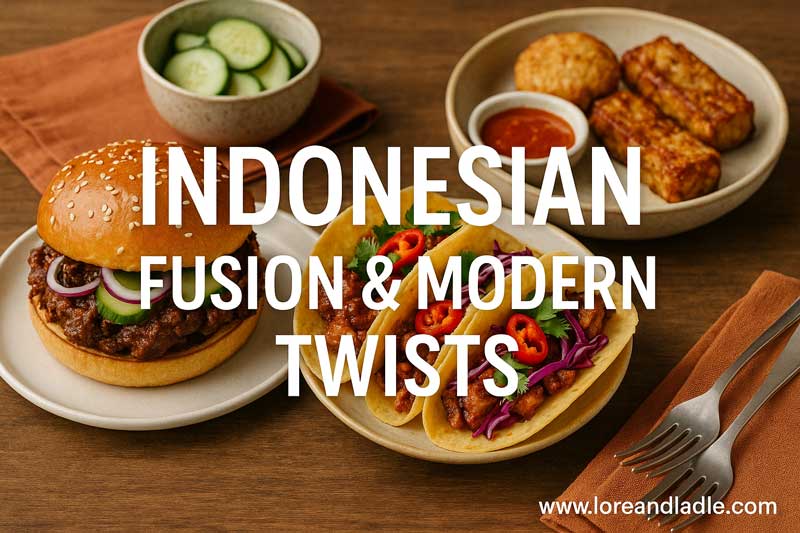
Across the United States, inventive chefs and home cooks celebrate gudeg by honoring its core flavors while exploring new formats. Modern twists keep nangka muda at the center and pair it with accessible textures and accompaniments. Expect bowls layered with white rice, earthy tempeh, and a bright sambal on the side. Some kitchens explore subtle smoke, miso-inspired depth, or creamy coconut elements to broaden appeal, all while preserving the dish’s sweet-savoury soul. The result is a respectful bridge between tradition and contemporary dining, where familiar favorites meet new plate presentations.
Savoring the Flavor: Plating, Pairings, and Eating Experience
Gudeg shines when plated with care. A simple heap of nangka, glossy with santan, sits beside rice and a spectrum of sides. The contrast of soft jackfruit with crisp accompaniments heightens the dining experience. Pairing ideas emphasize balance: mild proteins to carry the sweetness, fresh herbs for brightness, and a touch of chili for gentle heat. In fusion interpretations, chefs maintain the signature warmth while exploring textures and colors that delight the eye and palate. The eating experience becomes a conversation between memory and invention.
Keeping the Story Alive: How to Enjoy Gudeg Respectfully
To truly appreciate gudeg, approach it as a celebration of craft and culture. Seek cooks and restaurants that highlight slow cooking, balanced sweetness, and the tenderness of nangka muda. Respect the dish by noting the care in its preparation and the sharing spirit it invites. Whether you order a traditional plate or a thoughtfully crafted fusion version, you step into a culinary conversation that connects flavors, technique, and community. Gudeg thus stands as a flavorful ambassador of Indonesian kitchen artistry, inviting enthusiasts to explore, savor, and remember.
If you are curious about Gudeg Jogja and its modern twists, seek out menus that clearly honor the core ingredients and the slow-cook philosophy. The dish remains a steady reminder of how food can embody patience, hospitality, and cultural richness. In every bite, you taste Indonesian culinary heritage and the joy of creative expression around a shared table.