
Discover Halva – Uzbekistani Bread & Pastry Delights Flavor You’ll Love
In Uzbekistan, halva is more than a treat. It is a warm welcome, a glimmer of tradition, and a beloved guest at many tables. The aroma invites you in, and the texture invites a moment of quiet joy. This dish holds a special place in daily life and in celebrations, weaving together taste, memory, and shared moments.
What Is Halva in Uzbek Cuisine?
Halva in Uzbekistan covers a family of desserts that share tenderness and sweetness. You will find semolina-based varieties that melt softly in the mouth, and sesame-based versions that carry a delicate, nutty glow. Each style carries a gentle sweetness, often enriched with butter or honey and a hint of spice such as cardamom or saffron. The result is a dessert that can be light and crumbly or smooth and almost creamy, always inviting a slow, thoughtful bite.
Halva and Uzbek Hospitality
Hospitality is a central thread in Uzbek culture, and halva plays a starring role in that weave. When guests arrive, hosts often offer tea alongside a small tray of sweets, including halva. The gesture speaks of generosity and care. Serving halva with tea creates a calm pause in conversation, a moment to savor together. During family gatherings and holidays, halva appears on trays as a sign of sharing and warmth, inviting everyone to linger and enjoy the moment.
Textures, Flavors, and Story
The flavors of Uzbek halva tell a story of locally cherished ingredients. Nutty sesame, creamy semolina, golden butter, and a touch of honey or sugar create a balance that feels timeless. Aromas of vanilla, saffron, or cardamom rise as the dish rests, turning a simple bite into a memory. Nuts such as pistachios or almonds often crown the top, adding a gentle crunch that contrasts with the softness beneath. In every bite, you sense the care of home kitchens and the patience of traditional methods.
Its Place in Uzbek Pastry Traditions
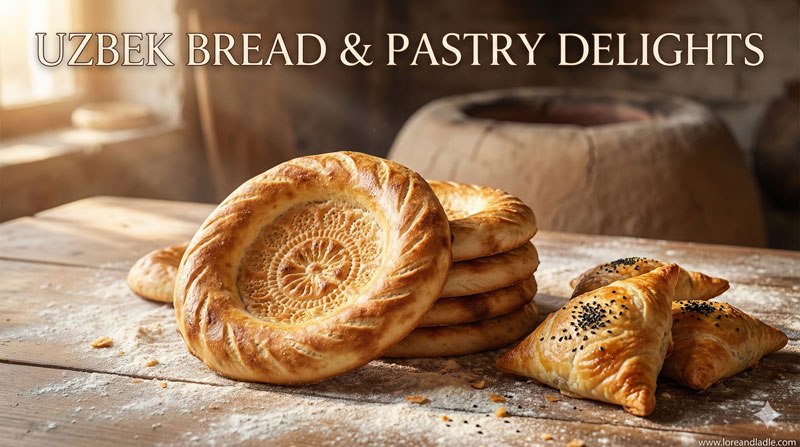
Halva sits alongside other beloved breads and pastries in Uzbek culinary life. It is often shared after meals with the iconic non bread, a round, airy staple baked in tandir ovens. The pairing of halva with tea, bread, and fruit creates a balanced moment of sweetness and savor. This tradition highlights how Uzbek pastry values harmony, texture variety, and a sense of seasonal generosity.
A Glimpse into Craft and Preparation
Behind halva lies a craft passed from generation to generation. Grandmothers and mothers stir gently, watching for the precise texture and scent that signal readiness. The process honors patience and rhythm, turning simple ingredients into a refined, comforting dessert. Even when adapted for modern kitchens, the essence remains: respect for ingredients, careful technique, and the joy of sharing.
Embracing the Taste: Modern and Classic Pairings
Today, many households and eateries celebrate halva in fresh ways while honoring tradition. It pairs beautifully with tea, fresh fruit, and light pastries. Modern chefs may add delicate garnishes, such as pistachio dust or citrus zest, to brighten the plate without overpowering the classic character. Yet the core appeal stays the same: a versatile, comforting sweetness that honors Uzbek heritage and everyday joy.
Closing Reflections
Discovering halva invites a deeper appreciation for Uzbek food culture. It is a testament to hospitality, craftsmanship, and the quiet beauty of shared meals. With every bite, you glimpse a world where dessert sweetness meets everyday warmth, and where bread, tea, and halva come together to celebrate community. If you seek a gentle, flavorful doorway into Uzbek pastry traditions, halva offers it with grace and charm.