
Introduction
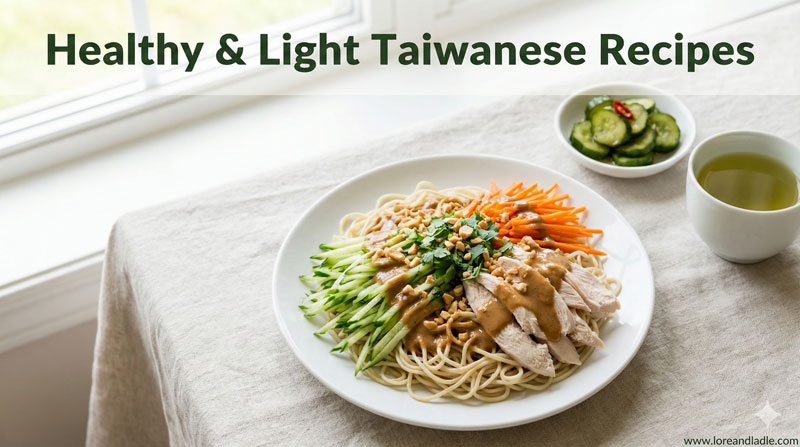
Best Healthy And Light Taiwanese Recipes Recipes to Brighten Up Your Weeknights is more than a collection of meals. It is a celebration of a cooking approach that favors fresh ingredients, quick methods, and clear flavors. The dish embodies how Taiwanese kitchens turn everyday moments into bright, nourishing experiences. It invites cooks to bring color, aroma, and balance to weeknights, turning simple tasks into small acts of care for the body and the palate.
Cultural Value: Freshness, Balance, and Everyday Joy
Taiwanese cooking prizes freshness. Markets brim with leafy greens, crisp herbs, fragrant mushrooms, and sun-warmed citrus. The recipes in this collection highlight those seasonal treasures, inviting Home Cooks to honor what is at hand. The focus on light dishes mirrors a cultural preference for meals that feel satisfying without heaviness. This approach supports busy evenings and fosters a sense of well-being.
This cuisine also cherishes balance. Flavor is crafted through a careful dance of salty, sweet, sour, and umami, with a gentle touch of aroma from ginger, garlic, and scallions. The aim is nourishment that awakens the senses rather than overwhelms them. In practice, cooks rely on techniques that preserve texture and brightness, so each bite feels clean and uplifting.
Beyond ingredients and technique, this dish speaks to the social side of food. Weeknights are a shared ritual: a home kitchen turned into a space for calm, conversation, and gratitude. A light, healthy meal becomes a gift to loved ones, a way to close the day on a steady, comforting note. The cultural value here lies in the ability to turn simple resources into moments of connection and care.
Key Ingredients and Techniques That Shape the Flavor
- Fresh greens: bok choy, choy sum, napa cabbage, or other crunchy greens provide a vibrant base.
- Plant-based proteins: tofu and mushrooms offer satisfying texture with gentle flavors that soak up seasonings.
- Aromatics: ginger, garlic, and scallions bring warmth and brightness without heaviness.
- Flavor boosters: light soy sauce, a splash of rice wine, sesame oil, and a touch of citrus for lift.
- Staples: rice, noodles, and clear broth form comforting supports for the main ingredients.
Techniques keep the dishes light and quick:
– Stir-frying over hot heat with minimal oil preserves crisp texture and vivid color.
– Steaming preserves nutrients and keeps flavors clean and pure.
– Light broths and clear soups provide a comforting mouthfeel without excess richness.
– Finishing with fresh herbs or citrus brightens the dish just before serving.
These choices reflect a culinary philosophy: maximize taste with restraint, honor the integrity of vegetables, and deliver warmth in a short window of time.
Regional Influences and Harmony of Flavors
Taiwanese cuisine is a tapestry woven from local growers, coastal waters, and neighboring culinary traditions. The influence of Fujian and Hokkien cooking appears in many everyday flavors—savory soy bases, delicate seafood notes, and the love of bright greens. Hakka traditions contribute hearty, straightforward preparations that respect seasonal produce. Indigenous flavors bring a distinct, land-centered perspective that values herbal notes and light, refreshing tastes.
This dish collection embraces harmony rather than heaviness. It champions the idea that a plate can be both balanced and vibrant: the mild sweetness of greens, the savory depth of tofu or chicken, and the zing of ginger or citrus all sitting in pleasant equilibrium. The result is a culinary language that speaks of place, season, and craft—without bravado, just confident, thoughtful cooking.
How the Dishes Brighten Weeknights
Weeknights demand efficiency without sacrificing soul. These recipes respond with:
– Quick planning: ingredients are versatile and interchangeable.
– Minimal fuss: simple techniques that yield reliable results.
– Freshness at the center: every bite reminds you of the season.
– Comfort in simplicity: meals that feel like a warm hello to your evening.
With these principles, the collection offers options that can be prepared in under 30 minutes, leaving time for family, reading, or a moment of calm. Think crisp stir-fried greens with garlic and a hint of sesame; a delicate tofu and mushroom hot pot that soothes the palate; or a light chicken and vegetable soup that nourishes without heaviness. Each dish demonstrates how light, healthy cooking can still be deeply satisfying and deeply Taiwanese in spirit.
Food Culture and Shared Moments
Food in Taiwan is an invitation to share. Even a simple weeknight dish becomes a small festival of texture and aroma that invites conversation and appreciation. The bright aromas of ginger and scallion often signal welcome; steam lifting from a bowl can spark a moment of gratitude for daily life. The recipes in this collection honor those social rituals by offering meals that are easy to prepare, easy to enjoy, and easy to repeat. In doing so, they reinforce a culture of care, where cooking is a thoughtful gesture toward family and friends.
Markets, kitchens, and dining tables connect in a loop: farmers bring fresh greens to stalls, cooks transform them with quick techniques, and households savor the results in minutes of shared talk. This loop sustains a tradition of everyday hospitality and practical elegance that defines Taiwanese home cooking. The dish embodies this spirit—a reminder that elegance can be found in the simplest, freshest ingredients prepared with intention.
Conclusion: A Bright Window into the Taiwanese Kitchen
Best Healthy And Light Taiwanese Recipes Recipes to Brighten Up Your Weeknights offers more than nourishment. It presents a lens into how Taiwanese cooks honor freshness, balance, and community. The dishes celebrate everyday life, turning ordinary weeknights into moments of nourishment and delight. They show how light, vibrant flavors can carry a sense of place, history, and care.
If you seek a way to bring warmth to weekdays without heaviness, this collection provides practical, flavorful paths. It invites you to explore seasonal greens, confident quick-cooking techniques, and the small rituals that make meals meaningful. In doing so, it reveals the beauty and culinary significance of Taiwanese home cooking—a family-friendly, respectful, and endlessly inviting tradition.