
From Malaysia to America: A Home Cook’s Guide to Tofu and Vegetable Curry
This dish travels with warmth and curiosity. It invites Home Cooks to explore Malaysian flavors while making room for American Pantry Staples. The result is a comforting curry that honors ingredients, technique, and everyday meals.
The heart of the dish: balance and aroma
Tofu and vegetable curry centers on balance. Creamy coconut milk joins a bright, spicy foundation. Aromatics bloom in oil, releasing onion, garlic, and ginger’s fragrance. Then spices join the mix: cumin, coriander, turmeric, and a gentle chili kiss. The aroma alone signals hospitality and care. In every simmer, the dish gathers depth and a welcoming scent that fills the kitchen.
Ingredients that tell a story
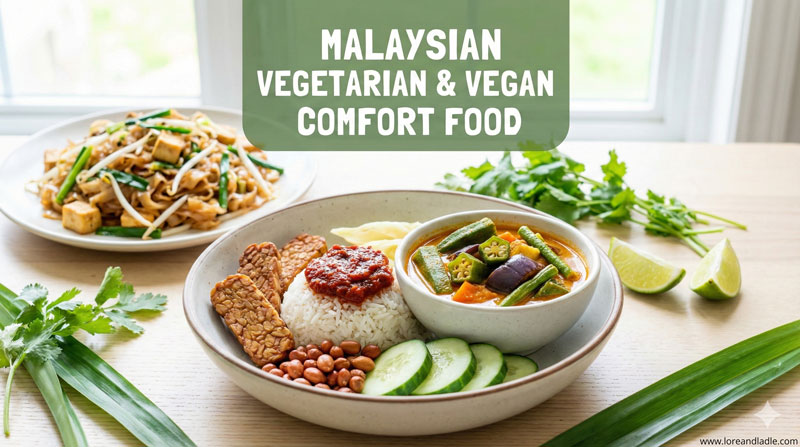
Tofu provides a soft, absorbent protein that soaks up curry goodness. Vegetables like carrots, bell peppers, eggplant, green beans, and leafy greens bring color, texture, and seasonality. Coconut milk gives body and balance to heat. A touch of lemongrass, kaffir lime leaves if available, or a small piece of galangal adds brightness. The dish remains flexible: you can swap in seasonal produce or pantry staples while retaining its Malaysian heart.
Techniques that bridge tradition and home cooking
Begin with a quick sauté of aromatics to awaken their flavors. Bloom the spices briefly to release essential oils. Add vegetables that need longer cooking first, then add quicker-cooking greens toward the end. Pour in coconut milk and let the curry simmer gently. Finally, fold in tofu so it heats through and picks up curry flavors. Each step respects the ingredients and keeps textures distinct yet harmonious. The result is a sauce that clings to vegetables and tofu, not overpowering them.
Cultural value: shared meals and everyday richness
This curry is more than a recipe; it’s a ritual of sharing. In Malaysian kitchens, hearty curries often accompany rice, encouraging family meals and friendly gatherings. The dish celebrates abundance, color, and aroma at the table. In American homes, it offers a bridge to Southeast Asian flavors through a familiar format: a one-pot meal with vegetables and protein, served with rice or bread. The plant-based nature makes it approachable for many diets, while still delivering a depth of flavor and a sense of care. The beauty lies in its balance—humble ingredients becoming something simple yet memorable when they come together.
A path for American kitchens: adapting with respect and curiosity
Begin with what you have. Use commonly available vegetables and adjust heat to taste. If coconut milk isn’t on hand, a splash of plant-based milk mixed with a bit of creaminess can work, though coconut brings a signature sweetness and texture. Fresh herbs such as cilantro or Thai basil brighten the finish. Pair the curry with steamed rice, fragrant jasmine or brown rice, or even flatbread for variety. The dish invites experimentation while preserving its core mood: generosity, warmth, and shared flavor.
Quick tips for a delicious result
- Toast spices briefly to awaken their aroma.
- Layer flavors by sautéing aromatics first, then adding spices.
- Add tofu near the end to keep it tender and flavorful.
- Taste and adjust salt, sweetness, and acidity with lime or a touch of palm sugar if desired.
- Finish with fresh herbs for brightness.
Conclusion: celebrating a flavorful exchange
Tofu and vegetable curry embodies care, adaptability, and the joy of cooking. It honors Malaysian flavors while welcoming American home cooks to make the dish their own. Through simple steps and thoughtful ingredients, this curry becomes a daily celebration of color, aroma, and comfort on the table.