
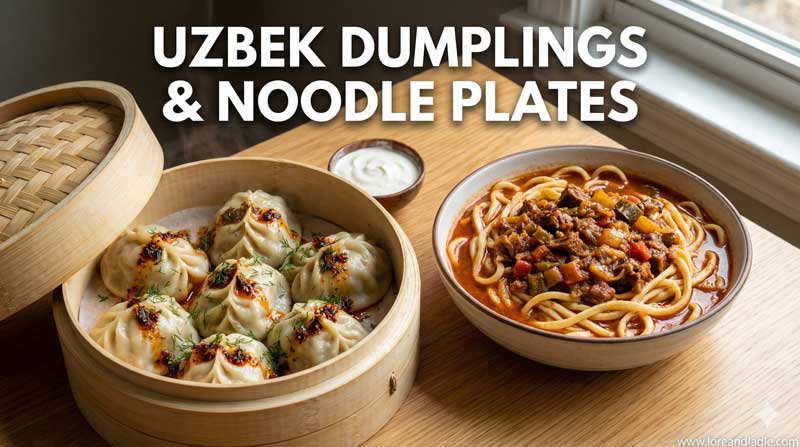
How to Make Palov – Uzbekistani Dumplings & Noodle Plates Flavor You’ll Love
Palov, or osh, is more than a dish. It is a living thread that ties family and friends to a shared table. In Uzbek kitchens, the name Palov evokes warmth, careful technique, and generous hospitality. This post invites you to discover its cultural value and culinary significance. You will see how a simple pot of rice, meat, and carrots can tell a broad story about people, place, and tradition. The flavor you’ll love grows from patience, balance, and a respect for time-honored craft.
A Window into Uzbek Cultural Life
Palov sits at the heart of Uzbek social life. It appears at weddings, harvests, and holiday gatherings, but also at quiet family afternoons when neighbors share a pot and a conversation. The act of cooking together—each person bringing a task, from washing rice to tending the flame—creates a sense of belonging. Palov teaches generosity: the pot is shared, the seating is round, and every guest receives a portion. In this way, the dish becomes a living lesson in hospitality and community. The careful choreography of steps mirrors a culture that values order, generosity, and patience.
The Core Elements and Their Significance
The essential trio of Palov—rice, meat, and carrots—speaks to balance and seasonality. Long-grain rice soaks up fat and juices, becoming tender and fragrant. Meat adds depth and richness, often lamb or beef, chosen for aroma and tenderness. Carrots bring sweetness and color, symbolizing plenty and harvest. Onions contribute a savory base, while spices such as cumin and coriander awaken the pot with warmth. In some kitchens a thread of saffron or barberry brightens the hue, offering a jewel-like note. Each ingredient carries tradition, yet cooks adapt to what is at hand, keeping the dish alive and relevant.
The Craft: From Toasting to Steaming Perfection
The method matters as much as the ingredients. The process begins with heating oil in a wide kazan or heavy-bottomed pot. Meat is browned to develop depth, then onions are added until they glow and release sweetness. Carrots join next, tossed for even color and flavor. Spices bloom briefly in the fat, releasing aroma that guides the rest of the cooking. Rice is washed and added in a careful layer, and water or broth is poured to just cover. The simmering stage requires patience: the grains absorb moisture, aromas mingle, and the top remains untouched until the liquid reduces. Finally, the dish rests, allowing the steam to finish the process gently. This sequence—browning, layering, simmering, resting—embodies a philosophy of respectful technique and attention to detail.
Regional Variations and Their Personal Touches
Across Uzbekistan, you can find subtle differences that reveal regional character. In some regions, the rice is rinsed more or less, changing the texture. The ratio of meat to vegetables shifts with tradition and season. Some cooks add chickpeas for body, others prefer a stronger onion sweetness. Yet the core remains consistent: the dish is built with a mindful sequence, and it is shared widely. These variations honor local tastes while preserving the universal essence of Palov as a dish of generosity, family, and memory. The result is a tapestry of flavors that feels familiar no matter which city or village you visit.
Palov as a Social Thread: Sharing and Memory
Food becomes memory when it travels from pot to plate and then into conversation. Palov invites stories at the table: who prepared the feast, which spice catches the air first, and how the grains hold together. Serving from the kazan to each guest reinforces equality and connection. The act of breaking bread with Palov reinforces a sense of mutual respect and celebration. In this way, the dish carries not only taste but a living record of shared moments and everyday kindness.
Pairings and Presentation: Elevating the Table
Palov pairs with simple, fresh accompaniments that respect its richness. A crisp flatbread or nan invites easy scooping. A light cucumber-tenned salad balances sweetness with acidity. Tea or a yogurt-based beverage offers cooling contrast to the warm spices. Presentation matters too; a round, wide serving platter echoes the communal spirit, and a centerpiece of herbs or pomegranate seeds can brighten the dish with color. These elements extend the cultural narrative—hospitality, balance, and refinement—into the dining experience.
Modern Takes While Keeping Roots Intact
Today, many Home Cooks and chefs honor Palov by preserving its core method while exploring inventive tweaks. You can adapt with locally available ingredients, adjust spice levels, or experiment with different cuts of meat. The essential rhythm—the browning, layering, simmering, and resting—remains intact because it anchors the dish in its tradition. Modern kitchens can celebrate Palov with clarity and respect, allowing the dish to travel beyond its origin while staying true to its cultural heartbeat.
A Gentle Invitation to Explore
If you are new to Palov, approach it with curiosity and patience. Observe the aroma as spices bloom, watch the steam lift and thicken the room, and savor the moment when the grains separate with a soft bite. The dish invites you to slow down, to notice textures, and to share in a moment of warm hospitality. In Uzbek culinary culture, Palov is not only food—it is a ritual of welcome, care, and unity.
Closing Thoughts: The Enduring Flavor of Palov
Palov endures because it honors labor, community, and seasonality. Its flavor resonates as comforting and dignified, a testament to skilled hands and generous hearts. As you prepare and share Palov, you participate in a living heritage that has welcomed many guests to the table over generations. The dish remains a bright thread in the fabric of Uzbek cuisine, inviting new cooks to learn, to adapt, and to celebrate the enduring beauty of its flavors.