
Introduction to a Dish of Warm Hospitality
How to Make Katlama – Uzbekistani Fusion & Modern Twists Flavor You’ll Love invites readers to a dish that feels like a warm welcome. This post centers on its cultural value and culinary significance, with a focus on texture, technique, and togetherness. The pastry sits at the heart of Uzbek kitchens, where bread is more than sustenance—it is a symbol of sharing, care, and everyday joy. By exploring katlama, we glimpse a cuisine that blends time-honored methods with playful modern twists.
Cultural Value and Shared Mealtime
In Uzbek cuisine, bread holds a place of honor. Families gather around a table to break bread, sip tea, and tell stories. Katlama, with its many folds and delicate layers, embodies this spirit of generosity. The act of preparing the dough, rolling it out, and layering it with careful attention mirrors the care people bring to hospitality. When a loaf emerges from the oven, it signals a moment to pause, appreciate craft, and welcome others to partake. This pastry bridges generations, inviting grandparents, parents, and children to share in a common craft and a shared meal.
Culinary Significance and Craft
Katlama is defined by its layered, flaky texture and its crisp, golden crust. The dough is worked with patience, allowed to rest, and then rolled into thin sheets. Each sheet is folded or layered to create a mille-feuille-like bite that melts in the mouth. This technique highlights a core value of Central Asian pastry: precision paired with light hands. The outcome depends on balance—thin sheets, even folds, and steady heat. When done well, the pastry becomes a canvas for aroma and flavor, inviting fragrant sesame seeds, nigella, or poppy seeds to shine.
Fusion Elements and Modern Twists
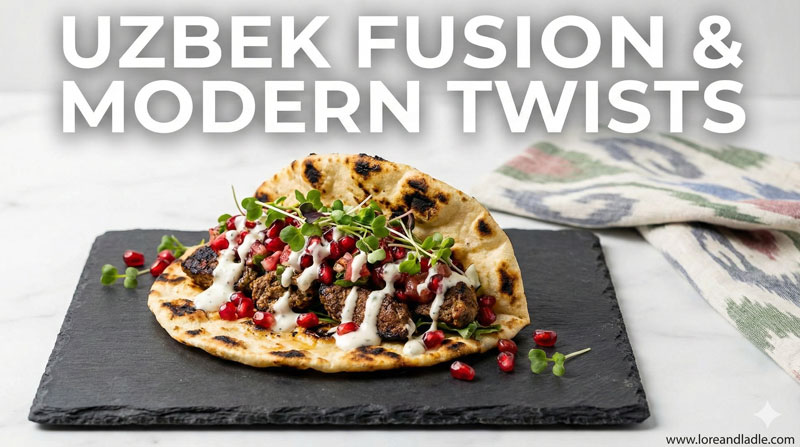
The name itself invites curiosity: Uzbekistani Fusion & Modern Twists bring new life to a classic. Modern twists often introduce ingredients that sing with local character. Think of warm herbs, soft cheeses, savory meats, or vegetable fillings tucked between delicate layers. The result is a pastry that honors tradition while embracing fresh flavors. Even the simple sesame finish can carry a modern flair with toasted seeds and a drizzle of aromatic oil. These twists broaden the pastry’s appeal without losing the quiet elegance of its structure.
Flavor, Texture, and Sensory Invitation
Texture plays a starring role in katlama. The first bite offers a crisp crust, followed by tender, layered interior. The aroma—especially when warmed—carries hints of roasted seeds, butter, and bright herbs. The balance of savory filling and delicate pastry invites thoughtful savoring. This interplay of contrast—crisp outside, soft inside—helps explain why katlama remains a beloved choice for celebrations, tea breaks, and everyday dinners alike. The sensory experience makes it a memorable part of a meal, inviting diners to slow down and enjoy the craft.
Serving Traditions and Social Warmth
Katlama shines when shared. It pairs beautifully with a pot of tea, fresh herbs, and a light yogurt-based dip. In social settings, offering a warm slice to guests feels like a gesture of welcome and care. The dish also adapts to various mealtime rituals, from a casual afternoon tea to a festive table centerpiece. The act of cutting and passing portions becomes a quiet ceremony that reinforces hospitality, conversation, and a sense of belonging around the table.
Accessibility, Craft, and Learning at Home
For Home Cooks, katlama provides a welcoming entry point to pastry technique. The recipe’s beauty lies in its approachable core: rolling, layering, and baking. Beginners can begin with simple sheets and a modest fold, then gradually explore richer fillings and more intricate layers. As skill grows, so does the ability to tailor the pastry to personal tastes, while preserving the essential character of a lightly flaky, well-oiled crust. This accessibility helps keep the dish alive in kitchens beyond its place of origin, inviting a broader audience to experience its charm.
A Living Culinary Narrative
The story of katlama is a living one. It travels through markets, kitchens, and family gatherings, accruing small regional touches that reflect local ingredients and preferences. Each kitchen adds its own voice to the pastry, enriching the texture and aroma without overpowering its core identity. This ongoing conversation between tradition and innovation is a central beauty of Uzbekistani fusion influences: a dish that respects roots while inviting curious cooks to contribute their own twists. In this way, katlama becomes not only a food item but a shared cultural practice.
Final Thoughts: An Invitation to Experience
How to Make Katlama – Uzbekistani Fusion & Modern Twists Flavor You’ll Love offers more than a recipe; it offers a doorway into a culture of generosity, craft, and culinary curiosity. The pastry’s layered structure, warm aromas, and social role invite readers to explore a tradition that values hospitality and thoughtful preparation. Whether enjoyed at a family table or shared with friends over tea, katlama remains a graceful celebration of flavor, technique, and community.