
Discovering Lagman: A Pillar of Uzbekistani Culinary Culture
Lagman is more than a bowl of noodles; it is a window into Uzbek culinary tradition. This dish embodies patience, craft, and a generous spirit at the table. In homes and markets alike, Lagman signals welcome, sharing, and well-balanced flavors. The aroma of slow-simmered meat, the bright lift of herbs, and the chewy, hand-rolled noodles invite people to pause, talk, and savor. Through Lagman, cooks pass on technique, memory, and a love for grain-forward meals that sit comfortably alongside rice and pilaf in Uzbek food culture.
Hand-Pulled Noodles: The Craft That Brings Texture and Heart
Central to Lagman is its noodles. Many kitchens prize hand-pulled or carefully rolled strands that capture a gentle chew and a graceful bite. The noodles carry the essence of the cook: they are flexible, resilient, and wonderfully responsive to broth. When the noodles meet the seasoned liquid, they drink in flavor and release it slowly. This coalescence of texture and taste mirrors a wider artistry in Central Asian cooking, where careful preparation creates a meal that feels both sturdy and comforting. For families, the act of shaping noodles becomes a quiet ritual, a shared skill passed between generations.
The Flavor Palette: Meat, Vegetables, and Aromatics
Lagman blends a warm, savory base with bright, fresh notes. A rich meat broth forms the backbone, often inviting beef, lamb, or chicken to mingle with onions and garlic. Carrots, peppers, tomatoes, and herbs bring color and balance, while spices such as cumin, coriander, black pepper, and a hint of chili offer depth without overpowering the dish. The result is a multi-layered taste: earthy meat, sweet-soft vegetables, and a citrusy-kissed finish from herbs. Each bite carries a story of regional harvests and seasonal produce, making Lagman a homage to the land’s abundance.
Rice, Pilaf, and Lagman: A Complementary Culinary Dialogue
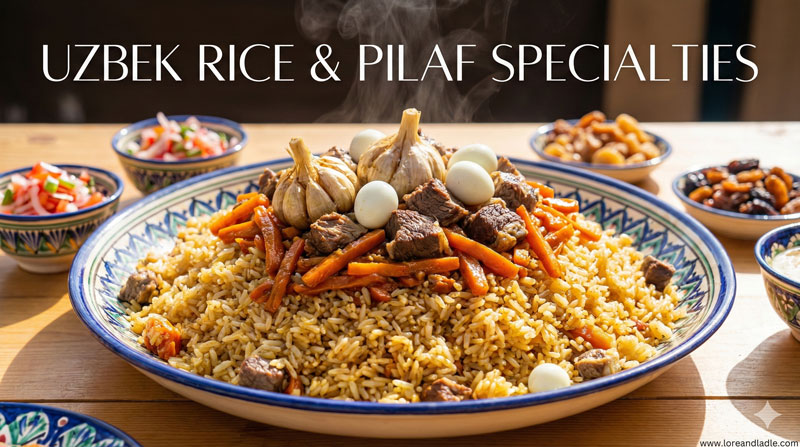
Uzbek cuisine places great value on grain-centered dishes, including rice and pilaf (plov). Lagman complements this family of dishes by offering a contrasting yet harmonious experience: hearty noodles, a robust broth, and crisp or tender vegetables that play off the fragrance of rice pilaf. Plates crowded with Lagman alongside a fragrant pilaf reveal a culinary dialogue—two expressions of grain culture that share a spirit of generosity and balance. This pairing highlights how chefs and home cooks celebrate variation within a common love for nourishing meals.
Cooking and Sharing: The Social Side of Lagman
Lagman shines in company. It is frequently prepared for gatherings, markets, or quiet Sunday lunches when family and friends gather around a large pot. The steaming bowl invites conversation, laughter, and slow savoring. The act of serving Lagman family-style—from a central pot to communal bowls—emphasizes hospitality and togetherness. In every region, the dish adapts with local ingredients, yet its role as a unifying ingredient remains constant. The table becomes a place where culture is tasted, shared, and remembered with warmth.
A Practical Guide to Making Lagman: A Respectful Overview
If you would like to try Lagman at Home, you can approach it with respect for the tradition and a focus on balance. Start with a rich broth built from meat and aromatics. Next, prepare a sauté of onions, garlic, peppers, and tomatoes to create a glossy, flavorful base. Add your preferred vegetables for color and texture, and season thoughtfully with cumin, coriander, and pepper. Then, create or prepare noodles that have a sturdy, chewy bite. Finally, combine the cooked noodles with the hot broth and vegetables, letting the flavors meld. Finish with fresh herbs to brighten the finish. The goal is harmony—each element supports the others, creating a bowl that feels complete and comforting.
Preserving the Spirit of Lagman in Modern Kitchens
Today, Lagman remains a vibrant part of Uzbek food culture because it adapts without losing its core. Modern kitchens honor the craft—whether by hand-pulling noodles, selecting seasonal produce, or using home-brewed broth. Yet the dish keeps its essential generosity: a generous pot, shared bowls, and a table where everyone is invited to taste and talk. Lagman’s beauty lies not only in its depth of flavor but in its capacity to bring people together, to celebrate skill and patience, and to honor the everyday rituals of cooking and sharing.
If you’re exploring Uzbekistani rice and pilaf traditions, Lagman offers a comforting contrast and a bridge to deeper flavor. Its cultural value rests in how it models care, technique, and communal eating, reminding us that food can be a warm, welcoming story told in a single, satisfying bowl.