
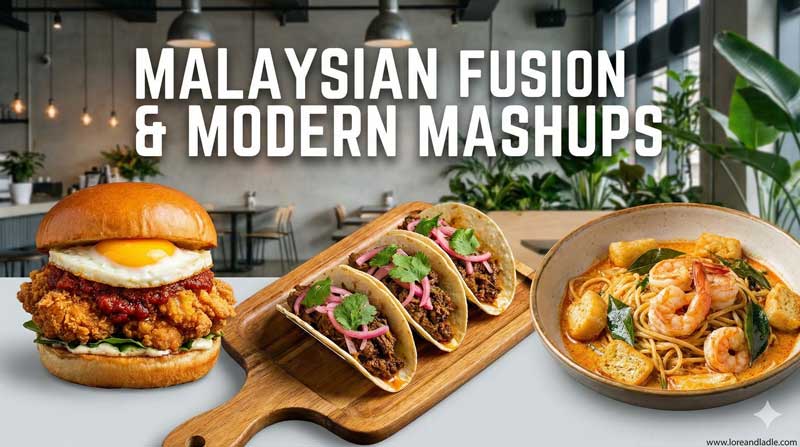
Introduction: A dish that travels with a spoon
From Malaysia to America, laksa pasta invites Home Cooks to listen to two kitchens at once. This dish blends the bright heat and coconut cream of laksa with the comforting familiarity of pasta. It celebrates flavor ingenuity without losing respect for its roots. The result is a bowl that feels both exotic and familiar, a testament to how cooking can travel with us and grow.
What is Laksa Pasta?
Laksa pasta is a thoughtful fusion that uses a laksa-inspired broth or sauce alongside pasta. You might start with a quick laksa paste, simmer it in broth and coconut milk, and fold in al dente pasta. The aroma comes alive with lemongrass, galangal, garlic, shallots, chili, and kaffir lime. The dish may use traditional noodles or substitute with spaghetti or linguine for a comforting bite. The texture contrast—creamy, tangy, and a touch of bite from the pasta—highlights how ingredients from different culinary conversations can harmonize.
Cultural value: flavor as a shared language
This dish honors Malaysian flavors while inviting American home cooks to interpret them in a personal way. It shows how a single recipe can carry memory and craft, even when prepared far from its place of origin. Laksa pasta embodies curiosity, openness, and respect for technique. It invites cooks to observe balance—spice, sweetness, acidity, and aroma—while honoring each ingredient’s voice. In this way, the dish becomes a culinary conversation, a way to celebrate shared appetite and creative skill.
Key flavors and technique: building balance
The heart of laksa pasta lies in balance. Start by softening aromatics: shallots, garlic, and a splash of chili. Add a fragrant paste with lemongrass and galangal for brightness and depth. Simmer the paste with stock and coconut milk to create a velvety, citrusy base. A splash of lime juice or tamarind adds brightness to cut richness. Toss hot pasta into the pan just before serving to merge flavors while keeping the noodles lively. Finish with fresh herbs and a crisp garnish to echo the dish’s aromatic lift.
Techniques for home cooks: practical steps
- Prepare a laksa-inspired paste: blend shallots, garlic, chilies, lemongrass, and a small piece of galangal or ginger. Include a touch of shrimp paste if you enjoy a deeper seafood note.
- Simmer with stock and coconut milk until the mixture smells bright and warm.
- Cook pasta to al dente. Reserve a little pasta water.
- Combine with the sauce, thinning with a little pasta water if needed. Finish with lime juice, salt, and a final stir of cilantro or mint.
- Garnish with bean sprouts, sliced chilies, fried shallots, and lime wedges for texture and brightness.
Ingredient sourcing: pantry-friendly options
American markets offer many accessible ingredients for laksa pasta. Coconut milk, lemongrass (fresh or frozen), garlic, shallots, and chiles are widely available. For galangal or kaffir lime leaves, search well-stocked Asian markets or online retailers. If some items are hard to find, substitutions work well: ginger can stand in for galangal, lime zest or juice replaces lime leaves, and a dash of lime juice at the end brightens the dish. The goal is to keep the spirit of aroma and balance intact.
Serving ideas and presentation
Serve laksa pasta hot, with a bright garnish. Fresh herbs lift the dish; lime wedges invite a final kiss of brightness. Bean sprouts add crunch, while fried shallots or peanuts provide texture. Pair with a light cucumber salad or quick pickles on the side to echo the dish’s fresh, herbal notes. The presentation should feel inviting and invitingly colorful, reflecting the dish’s joyful blend of cultures.
A home cook’s journey: accessibility and joy
This dish is designed for home cooks who love to experiment while staying grounded in technique. It thrives in a well-equipped kitchen but remains approachable with simple substitutions. The beauty lies in its adaptability: you can adjust heat, coconut richness, and acidity to your family’s tastes. In doing so, you cultivate confidence, curiosity, and a sense of culinary stewardship.
Conclusion: celebrating flavor, culture, and craft
From Malaysia to America, laksa pasta is more than a recipe; it is a celebration of flavor storytelling. It honors a vibrant palate and the craft of braising, blending, and balancing. When you cook this dish, you honor both kitchens—one rooted in coconut and spice, the other in comforting pasta. The result is a meal that teaches, delights, and invites sharing, time after time.