
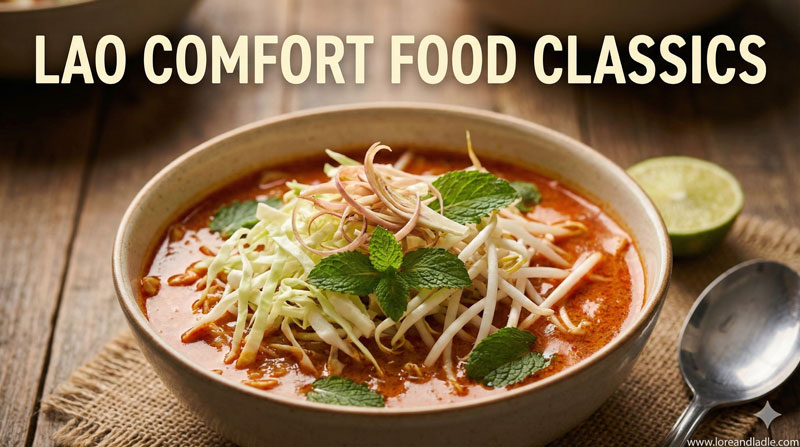
Restaurant-Worthy Lao Comfort Food Classics You Can Make Tonight
Introduction
This article celebrates Lao comfort food as a living, kitchen-grown art. It explores how simple ingredients become restaurant-worthy dishes when prepared with care. You will discover how Lao flavors speak through clarity, balance, and bright herbs. The focus is on culture expressed through food, not politics or press stories. The result is a warm, inviting table where fragrant steam and fresh herbs invite conversation.
The Cultural Value of Lao Comfort Food
Lao cuisine centers on harmony. The meal promises balance between sour, salty, savory, and a gentle heat. Sticky rice anchors the experience; it is there to scoop, dip, and connect. This approach mirrors a well-loved family table: everyone shares, and each bite carries memory. The dishes invite both routine dinners and special occasions. When prepared with respect, Lao comfort food becomes a bridge between everyday life and a restaurant-style moment at home. In this space, cooking is an act of care that honors ingredients, neighbors, and heritage.
Staples that Shape Lao Comfort
- Sticky Rice as the Mainstay: The grain is soft, glistening, and slightly sweet. It is more than food; it is a touchstone of community. You’ll shape portions, break them with your hands, and pass them around the table. This simple practice reinforces belonging.
- Laap (Lao Minced Meat Salad): A bright, herb-forward dish that sings with lime, fish sauce, chili, and fresh herbs. The texture varies from coarse to finely minced, and the aroma invites you to taste before you even bite.
- Mok Pa (Steamed Fish in Banana Leaf): Fragrant steam carries dill, lemongrass, and a gentle sweetness. A well-balanced mok pa feels light yet deeply comforting, like a fresh breeze in a cozy kitchen.
- Jeow (Dipping Sauces and Pastes): These dips heighten the meal. A lime-bright jeow makes vegetables sparkling; a chili-spiked version adds warmth without heaviness.
- Tam Mak Hoong (Green Papaya Salad): Crisp shreds, lime, and herbs collide with a zingy bite. The dish feels refreshing yet substantial when paired with sticky rice and grilled items.
- Sai Oua (Lao Sausage): Fragrant herbs, garlic, and a lively slice of fat bring the grill to the table. When sliced thinly, it becomes a centerpiece that supports other flavors.
Techniques for Restaurant-Worthy Home Cooking
- Start with freshness: herbs, lime, and fresh fish or meat set the foundation. The brightness they offer keeps dishes lively.
- Master the rice: steam or steam-and-dry the sticky rice to a tender length. A slight airiness makes it ideal for handling with fingers and chopsticks alike.
- Balance the flavors: taste as you go. Add a touch of salt, a squeeze of lime, and a whisper of chili. The goal is harmony, not dominance.
- Layer aromatics: use dill, mint, cilantro, lemongrass, and garlic in measured amounts. Fresh herbs finish the dish just before serving for maximum perfume.
- Plate with intention: contrast colors—green herbs, pale rice, and bright sauces. A small herb sprig or a lime wheel can elevate presentation.
- Gentle heat control: Lao dishes often wake the palate with warmth. Add chili in stages, so the dish remains inviting rather than overpowering.
Flavor Profiles and Sourcing
- Fresh herbs: mint, cilantro, dill, and basil are essential. They light up the dish with aroma and freshness.
- Citrus and acidity: lime juice brightens, balancing fat and salt while clarifying flavors.
- Fish, pork, and poultry: choose cuts with clean flavors. When possible, opt for sustainable options and choose fish or meat with a light, clean finish.
- Fish sauces and palm sugar: these bring depth without heaviness. Use them in moderation to keep the dish elegant.
- Dips and pastes: jeow varieties are flexible. They should be bright, not cloying, and pair well with sticky rice and grilled items.
Social and Dining Experience
Lao meals celebrate togetherness. The act of sharing sticky rice and multiple small dishes turns dining into a ceremony of conversation. The table becomes a space where textures and aromas invite touch and talk. This culture values hospitality, patience, and a gentle rhythm of serving and tasting. When you cook these classics, you invite others to partake in a respectful, sensory experience that honors farmers, cooks, and family memories.
Building a Restaurant-Worthy Plate Tonight: A Simple Plan
- Plan your lineup: choose 3-4 components—sticky rice, laap, mok pa, and a bright jeow or tam mak hoong on the side.
- Gather fresh ingredients: herbs, lime, peppers, and a good fish or pork option. Freshness elevates the dish instantly.
- Cook with care: steam the fish, mix the laap with herbs, and assemble the papaya salad just before serving to keep it crisp.
- Plate with balance: place sticky rice in a small mound, lean sliced sausage or grilled protein next to it, and drizzle or dip with jeow. Add a touch of green herb garnish to finish.
- Serve with grace: offer bowls of herbs and lime wedges for diners to adjust flavor to their liking.
Step-by-Step Quick Guide to Tonight
1) Prep: rinse herbs, zest a lime, and trim any tough stems. Soak or prepare Rice for steaming.
2) Cook proteins: steam mok pa or grill laap-ready meat with a gentle sear. Slice thinly for serving.
3) Mix the laap: combine minced meat with lime juice, fish sauce, chili, and a handful of herbs. Taste and adjust.
4) Build the papaya salad: shred papaya, mix with lime, fish sauce, palm sugar, and chilies. Toss well and taste for bright acidity.
5) Plate and finish: mound sticky rice, lay proteins on one side, spoon jeow on the other, and sprinkle fresh herbs on top.
6) Enjoy mindfully: invite guests to mix bites with rice, dip, and herb sprigs as they please.
Plating and Serving Etiquette
- Keep colors vibrant: decorate with fresh greens or thin lime slices for a festival of greens and yellows.
- Use simple bowls and a clean board: the beauty is in the ingredients, so let them shine.
- Offer sauces and herbs on the side: diners can tailor each bite, which honors personal palate and keeps the experience engaging.
- Maintain warmth: serve hot or at a comfortable warm temperature to preserve aroma and texture.
Final Reflections: The Beauty of Lao Comfort Food
This cuisine reveals how everyday cooking can become something refined and restaurant-worthy without losing its soul. The interplay of sticky rice, bright herbs, and carefully balanced sauces is a testament to craft and memory. Each dish invites a moment of tasting, sharing, and storytelling. When you cook Lao comfort classics tonight, you are not only making a meal—you are inviting a tradition to live at your table, through flavor, texture, and a shared sense of welcome.
If you approach this cuisine with curiosity and patience, you will find a generous and elegant culinary language. The dishes speak softly but clearly. They remind us that comfort can be elevated by technique and care, and that home cooking can mirror the best in restaurant kitchens. In this spirit, enjoy the ritual of preparing Lao comfort foods, and let your table become a place of warmth, conversation, and lasting appreciation.